Seven Processes
What seven things do humans, mushrooms, an elephant, viruses, and daisies have in common?
Goal:
Goal:
|
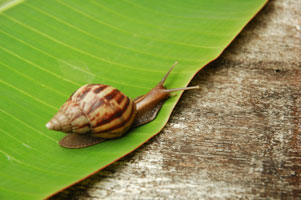
Movement All living things can move. Some organisms move at a snail's pace; others, like the cheetah, move really fast. Even organisms that appear motionless are active.
Sensitivity The ability to respond to external conditions is a characteristic of all living things. Think about the many ways animals and plants respond to things in their environment—plants grow toward the light, and animals shiver when the air is cold. We shield our eyes when looking at the sun, or jump when we hear a loud noise. These are just a few of the many ways that living things are sensitive to their environments.
Respiration Respiration occurs when an organism exchanges gases with the environment. For humans and other animals, this process involves breathing in oxygen and releasing carbon dioxide. Plants take in carbon dioxide and release oxygen.
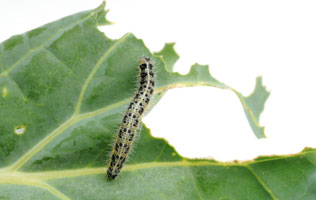
Nutrition Plants can make their own food using materials they get from the soil, air, and water. All other organisms must find nutrition from outside sources. Some organisms eat only plants; others eat only animals. Many humans eat both plants and animals. Nutrients provide living organisms with energy to manage other life processes.
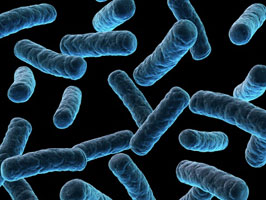
Growth All living things are made up of one or more cells. Mighty oak trees and whales started with a single cell and grew into highly complex organisms. Even tiny bacteria are complex, with many different structures within them. Living things continue to grow and develop throughout their lives until they die.
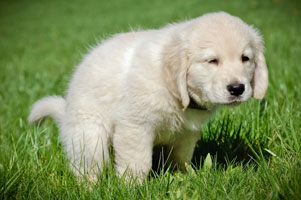
Excretion All living things create waste products that must be eliminated. Plants don't have as much waste as humans do, but they do release excess water and gases to the outside environment. Complex animals like humans have organs that handle excretion. For example, the kidneys produce waste products in the form of urine and the bowels produce solid waste in the form of feces. The skin and lungs eliminate carbon dioxide.
Reproduction Because all living things must eventually die, they need a process to ensure that their kind continues, right? This process is called reproduction. All living things reproduce either sexually or asexually. Sexual reproduction is when an egg cell from a female combines with a sperm cell from a male. Asexual reproduction happens when an organism, such as a microbe, splits into two sections.
|
 |