What Is Technology?
If you could invent a machine to do anything you wanted, what would it do?
Goal:
Goal:
Anything that people design and build is created for a reason--to help people live more comfortably, to help us do a job better, or maybe just to help us have fun. When people design and build new things, they rely on their knowledge about how the world works. The use of knowledge to solve practical problems is called technology. Technology usually involves new tools or methods for doing things. Engineering is the process of designing and building those tools and systems. Engineers are people who design new technology and put it to work. Click through the slideshow below to see some examples of technology and the problems that each solves.
|
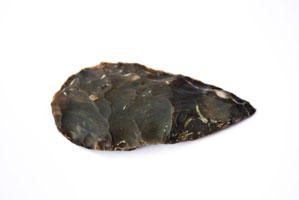
Some of the first examples of technology were stone axes, spear points, and arrowheads, which early humans used to help them hunt animals for food.
Clothing is technology for keeping people warm and dry. Ancient cave-dwellers stitched together furs to make coats. Ever since then, people have been working to make clothing warmer, more comfortable, and easier to use.
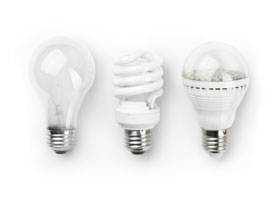
Technology for lighting our homes has changed a lot over time, from candles and oil lamps to electric light bulbs. Today, engineers are designing light bulbs that use less energy to produce the same amount of light.
Colored pencils, pens, and paints are just a few examples of technology for writing down our ideas and creating beautiful artwork.
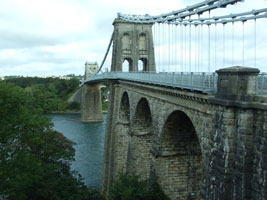
Building bridges, roads, and tunnels is technology that makes it easier for people to get from place to place.
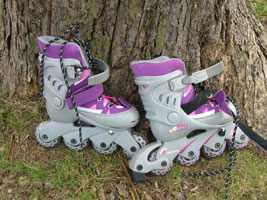
Technology can help people have fun. Engineers designed these roller skates to roll smoothly and quickly, as well as helmets and knee pads to keep you safe while you skate.
Airplanes, trains, cars, and bicycles are all examples of transportation technology--technology that helps move people and things to where they are going.
People have been developing technology to record and listen to music for more than a hundred years, from the first phonograph invented by Thomas Edison, to cassette tapes and compact discs, to today's MP3 players.
|
 |