When you realize that you have found a golden key—an especially important event or detail, it’s a good time to examine the author’s diction, or word choices. At significant moments in a story, authors often choose their words quite carefully to convey exactly what they mean and to create a mood that supports the event’s larger meaning. Words may be chosen as much for their connotations, the feelings they evoke, as for the images they describe.
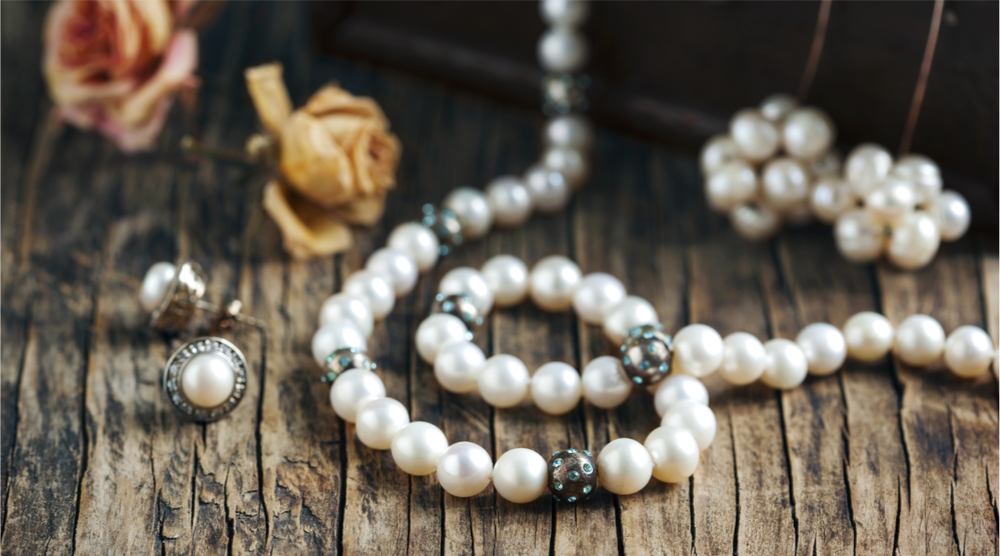
You’ve probably seen connotations at work in arguments with friends or family members. How does it make you feel, for instance, when someone calls you childish? Even though it has meaning that is similar to the words young and youthful, childish has a more negative connotation. Likewise, while the words old and vintage have similar meanings, most people expect something that is described as vintage to be nicer or more valuable than something that is described as old. A “vintage necklace” seems rare and historical, whereas an “old necklace” sounds used, tattered, or broken.
How aware are you of connotations? See if you can recognize the connotations of each of the words below. Can you think of a word that is similar in meaning but has a very different connotation? Click the card to compare your ideas to the sample answers.

hyper

residence

inexpensive

scrawny

nosy
Cards remaining:
