Cause of the Seasons
What causes the seasons?
Goal:
Goal:
There are four seasons: spring, summer, fall, and winter. These four seasons make up one year. It takes the Earth one year to go all the way around the Sun. But do you know why we have seasons, and what happens during each one?
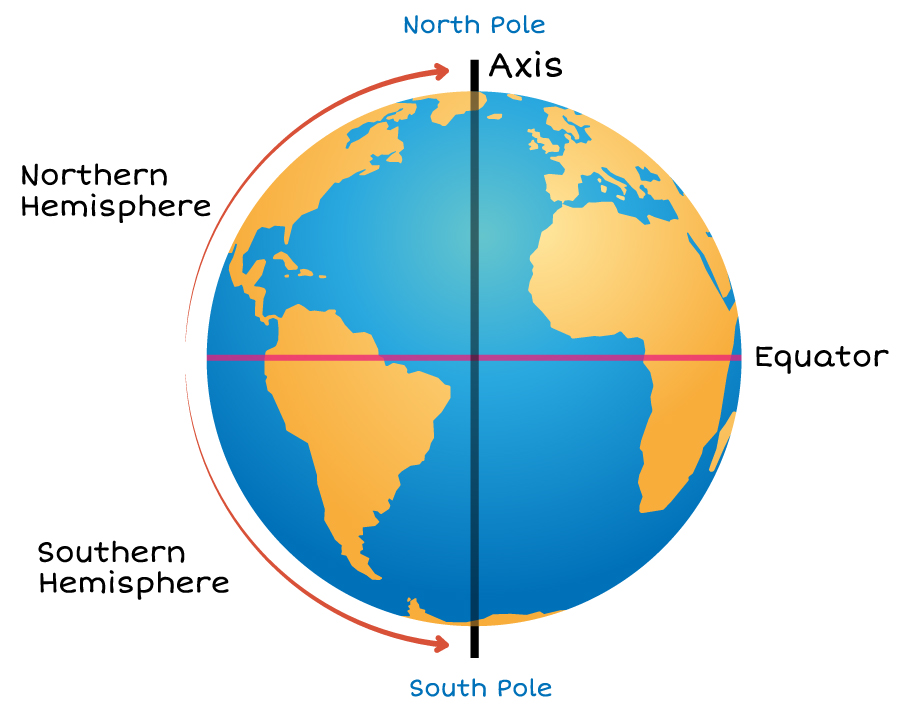
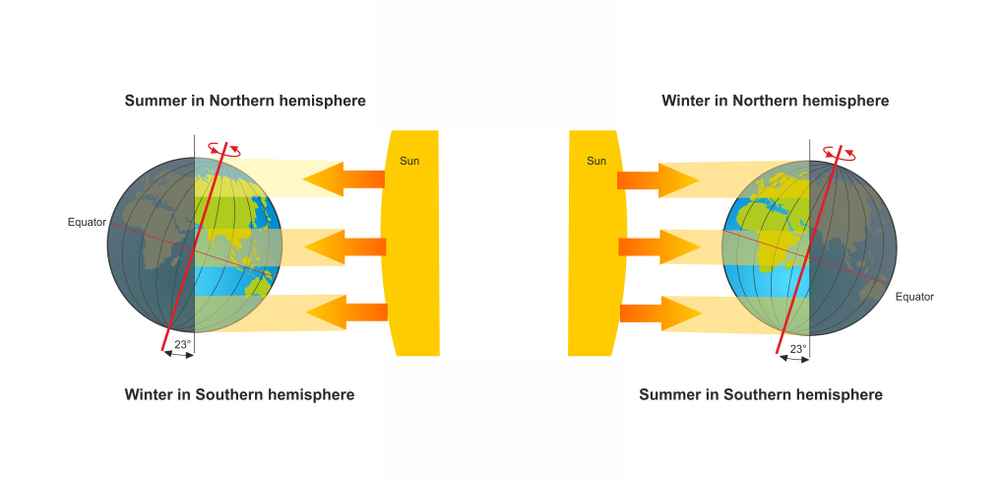
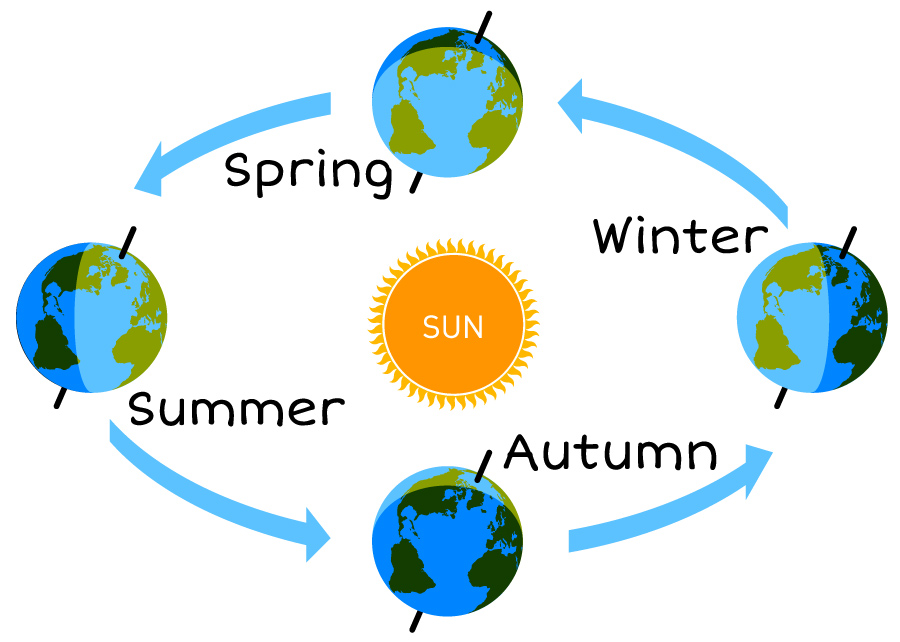
The Sun is a very important part, but we also have seasons because of the way the Earth is tilted.
Click through the slideshow to learn all about the seasons and how Earth's tilt causes the seasons to change. If you live north of the Equator, your seasons are described in the slides. If you live in south of the Equator, your seasons are opposite times of the year!
Autumn
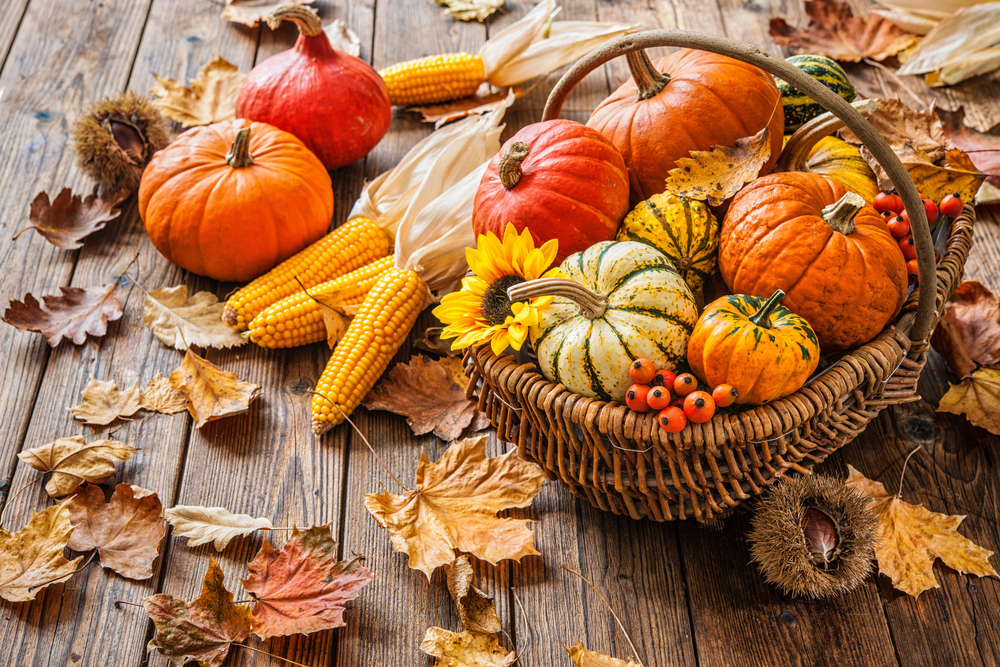
Pumpkins, gourds, corn, pretty-colored leaves, and apples are all things you might see during autumn or fall. Fall is another name for autumn, and it’s also harvest time for farmers. The weather gets cooler as the days get shorter.
Daylight in Autumn
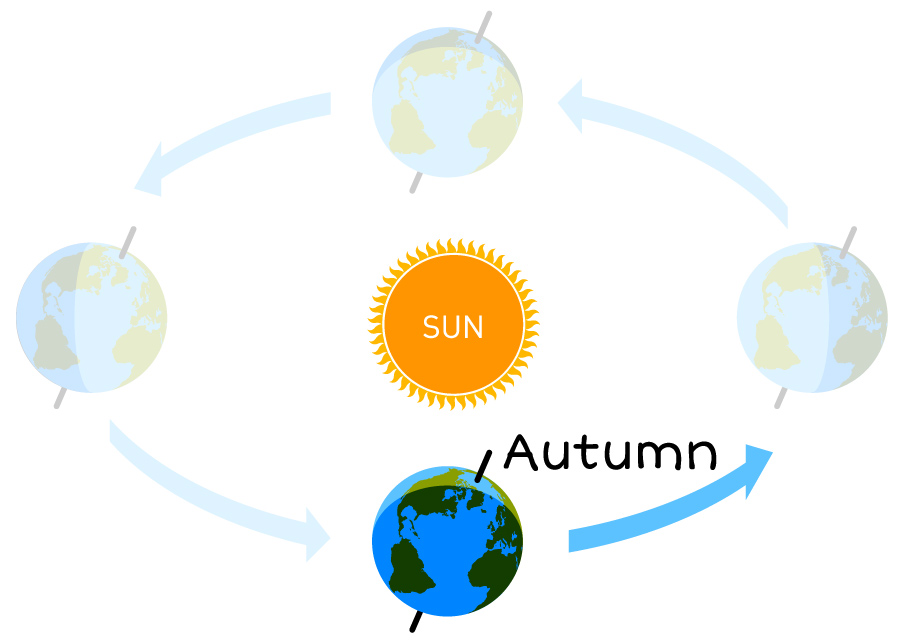
As Earth continues on its path around the Sun, the long days of summer begin to get shorter. By late September, the Earth isn’t tilted toward or away from the Sun. Look at the picture. It shows that Earth will have 12 hours of sunlight and 12 hours of darkness.
Winter
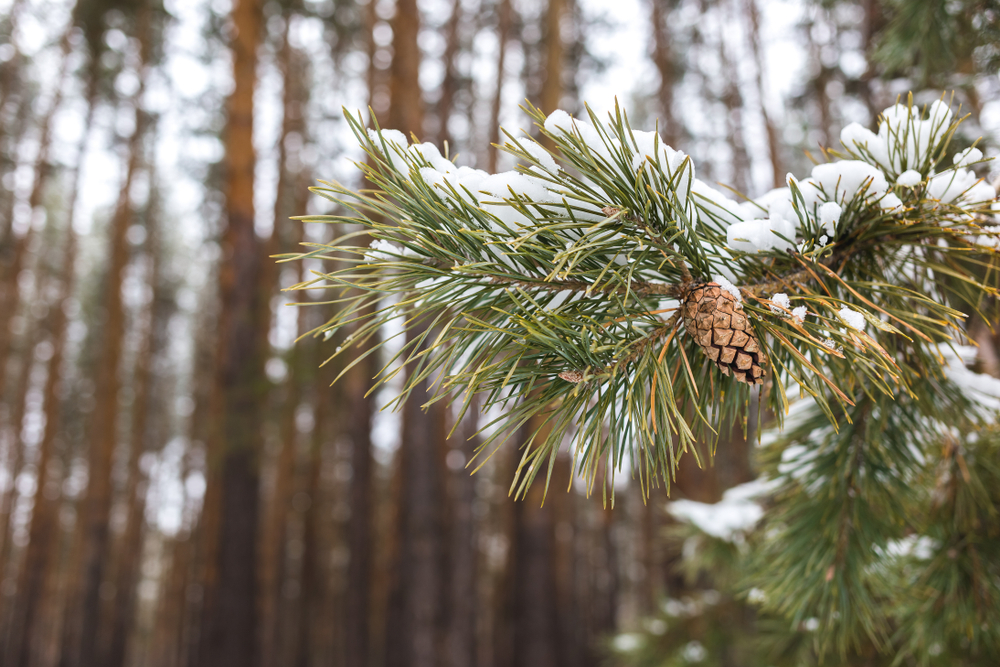
Pine branches, pinecones, holly branches with bright-red berries, and snowflakes are all things you might find in winter. It begins in December, and it is the coldest time of the year. Some trees may look dead, but they are resting until spring.
Daylight in Winter
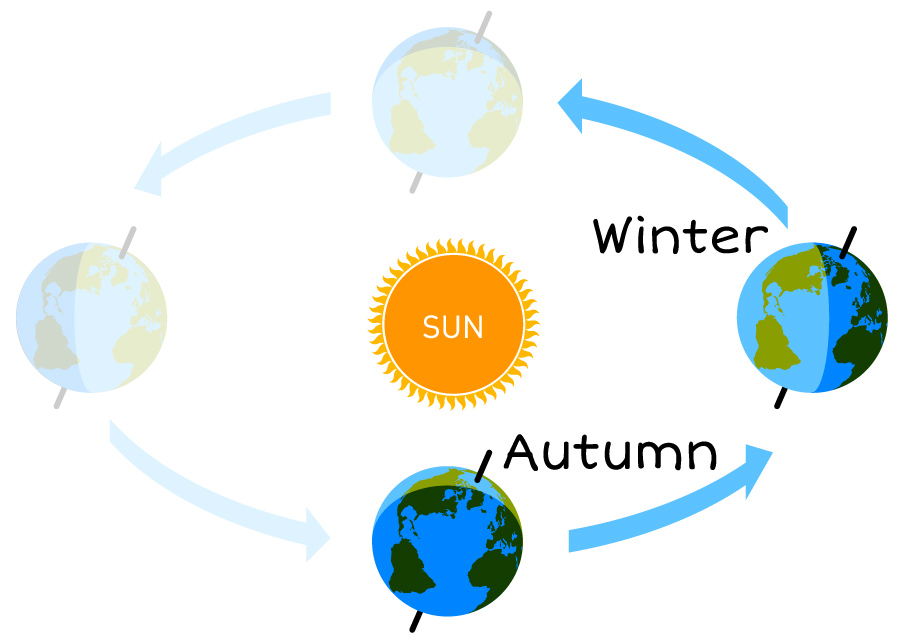
The days keep getting shorter, and the nights get longer. Look at the picture. In winter, the North Pole is pointed away from the Sun. When this part of the Earth is farther from the Sun, the weather gets colder. In December, winter has the least daylight hours and the longest nighttime. When it’s winter in the Northern Hemisphere, it’s summer in the Southern Hemisphere.
Spring
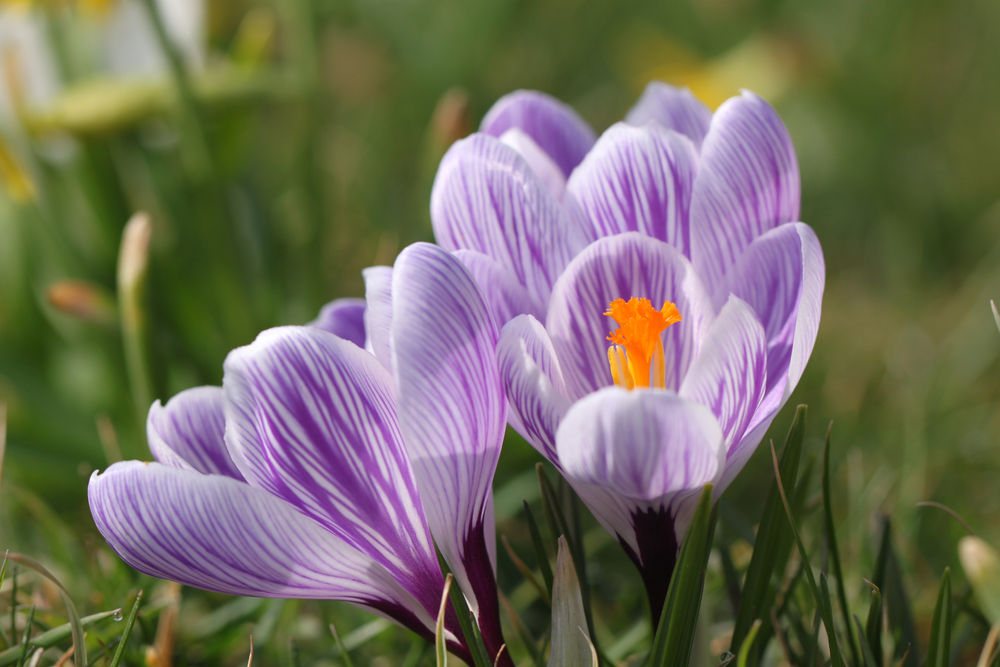
A bird's nest, early-blooming flowers, buds on trees, rainy days and bright green grass are all things you might see in spring. Farmers plant seeds, snow melts as weather becomes warmer, and in many places, it rains a lot, helping plants grow.
Daylight in Spring
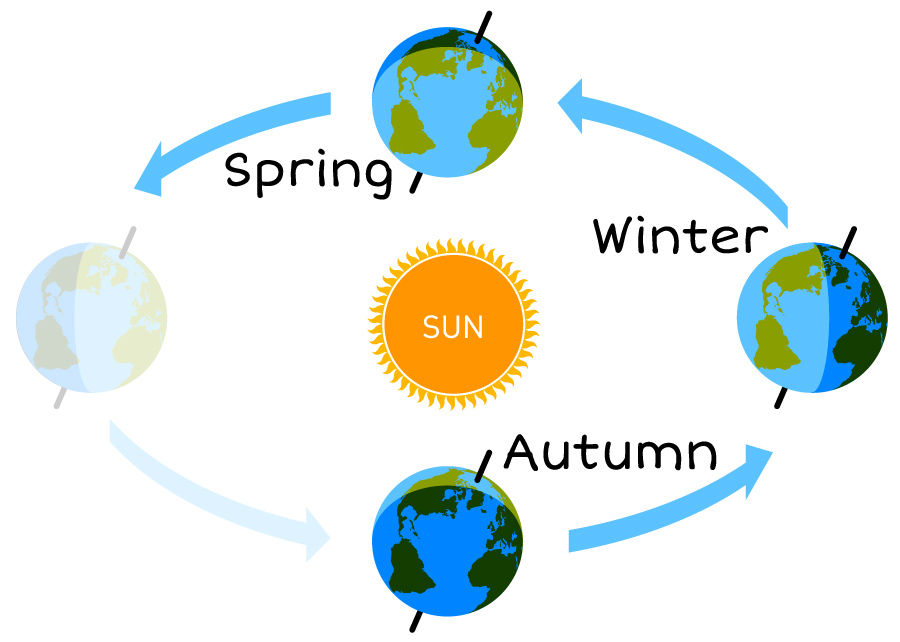
The Earth keeps moving around the Sun. Look at the picture. By the end of March, the Earth isn’t tilted toward or away from the Sun. That’s just like what happens in autumn. Earth will have 12 hours of sunlight and 12 hours of darkness again. The days start to get longer as spring continues.
Summer
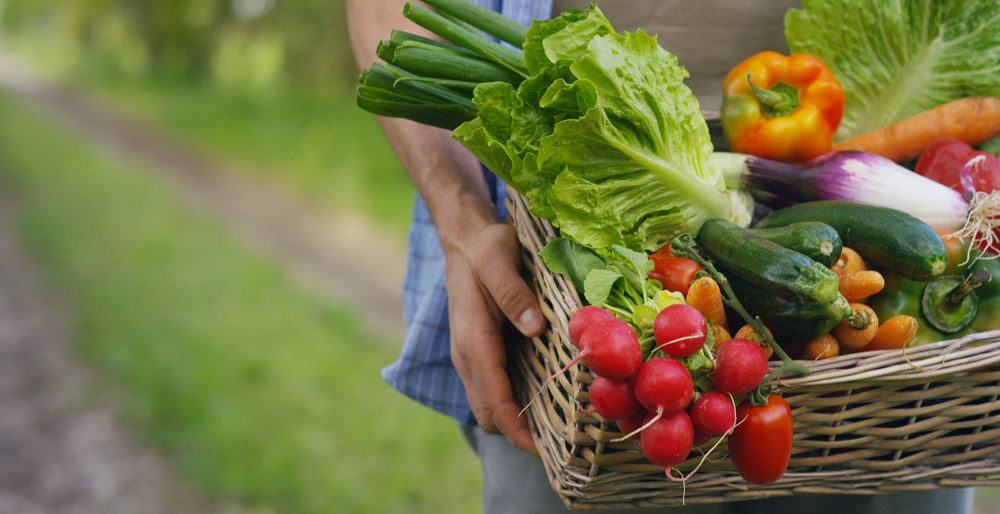
Beautiful flowers, fresh fruit and vegetables, seashells, and bumble bees are all things you might see in the summer. In most places, summer is the hottest season of the year. Plants do most of their growing during this time, too.
Daylight in Summer
Look at the picture. As Earth travels around the Sun every year, the North Pole points nearest to the Sun. When this part of the Earth is closer to the Sun, the weather gets warmer. This is the beginning of summer in the Northern Hemisphere and winter in the Southern Hemisphere. Starting in June, summer has the most daylight and the least darkness of any time of the year.
Question
What causes seasons?
The tilt of the Earth causes the changes we see in spring, summer, fall, and winter.