Who's in Charge?
What is a command economy?
Goal:
Goal:
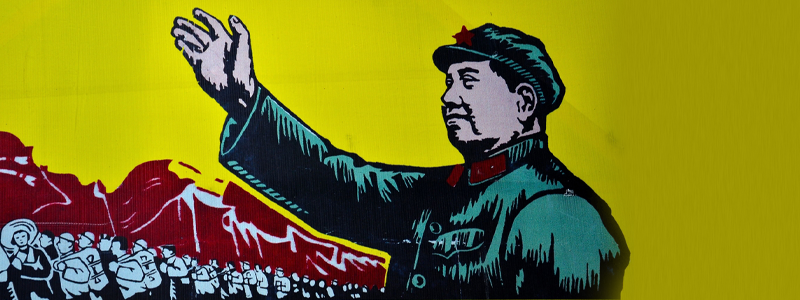
A command economy is one in which the government is in control and makes all of the economic decisions. The government decides what goods should be produced, how much should be produced, and at what price the goods should be sold. The government creates a central economic plan for the country, including how it uses its resources, who does what job based on skills and abilities, and what laws the people must follow.
The citizens in a command system are like puppets on a string. The puppet master controls the strings attached to the puppet (the people) to make it move. In this type of system, the citizens must do what the government tells them to do.
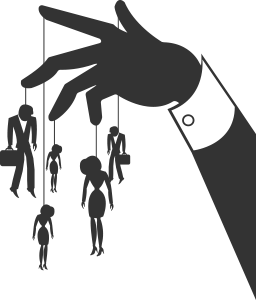
Although this type of government says it does what is best for the people, there really isn't much freedom or opportunity for individual success and growth in such a system. Technology and other types of innovations are absent because people are not motivated by competition or the need for new ideas and approaches.
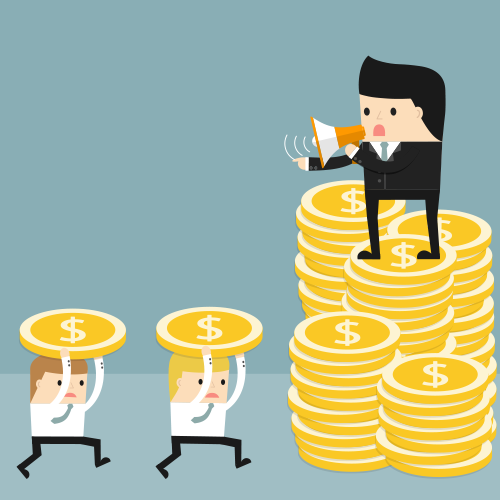
Wealth is supposed to be distributed evenly among citizens in a command economy, but this isn't usually the case.
Cuba and North Korea are examples of countries that still follow a command economy.
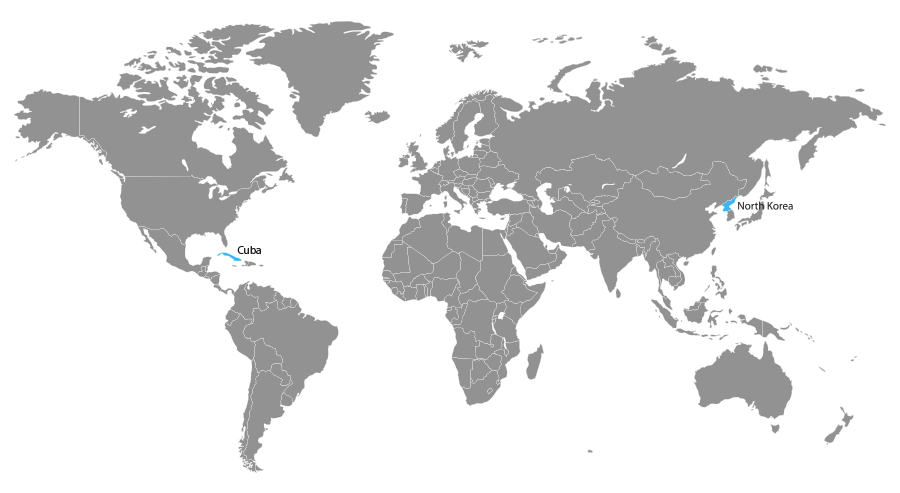
 Click image to enlarge.
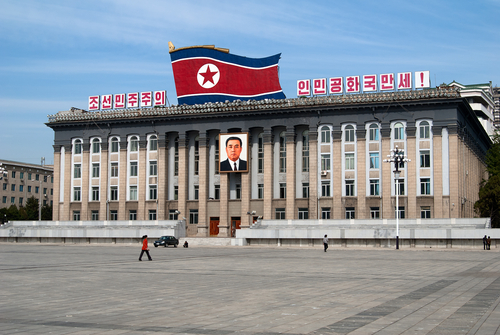
In North Korea's economy, the government dictates what goods and services will be produced. The country has a large weapons industry, and it also relies on agriculture and mining industries. But the government leaders are the ones who decide what will be produced.
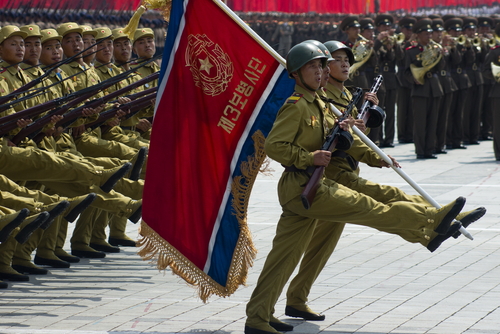
The North Korean government also decides where people live, where they go to school, what doctors they see, and how much food they can eat. Ration tickets are passed out to North Korean citizens. They then go to distribution centers to collect their food allowance. If you have a more demanding job, you have a larger food ration amount.
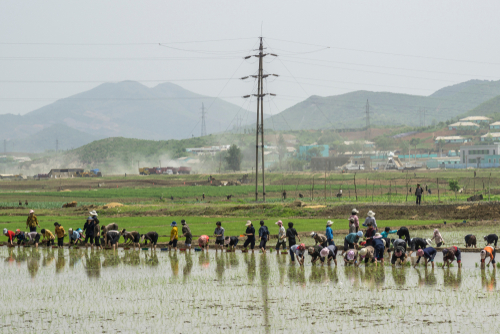
For example, miners or heavy equipment operators get 900 grams of food each day, which is a decent amount of food. But they get this much food because their jobs are difficult, and they need the strength. However, if you are a stay-at-home mom, you get as much food as a kindergartner, which is only 300 grams a day.
How much food is that? Three hundred grams of food a day is the equal to half an apple, two eggs, and a banana.
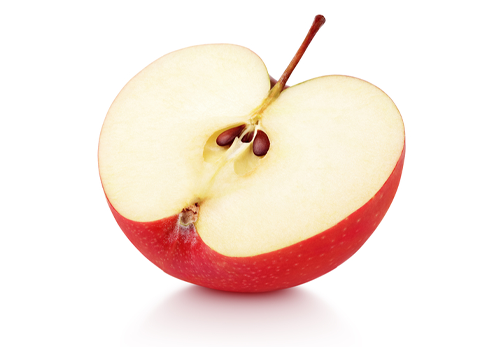


That's it. An adult female who takes care of her family can only eat as much food as a 5- or 6-year-old child. This food rationing system by the government is used as an incentive to encourage more women to work at labor-demanding jobs.
Although things like housing, school, and electricity are "free" for citizens in a command economy, the North Korean government decides what types and for how long. For example, electricity is free, but for only about an hour or two each day. The government provides wages for work, but only 3,000 to 5,000 won per month, which isn't much money. In U.S. dollars, that's only $3 to $5 per month.
The command economy of North Korea is leaving its people poor and hungry. Although the government claims a command economy is good for its citizens, that isn't the case for many North Koreans. They are trapped in a system that doesn't share equally and that leaves many people in dire need.