Texture

Fig 3.6. Claude Monet, London Parliament, the sun shining through the fog.
Image courtesy of Wikimedia Commons.
A final element of art is texture. Texture refers to the surface quality of an object, or how it feels to the touch. Rough, smooth, grainy, and soft are all examples of textures. Texture can be simulated, as in a drawing where something appears rough or smooth, or actual, as in a sculpture. Artists can also add actual texture to an artwork by changing the surface, through thickly applied paint or sticking objects to the surface. In Monet's painting, London Parliament, the sun shining through the fog, obvious brush strokes and thick paint create a rough texture.
Although it is useful to pick out the individual elements of art when analyzing an artwork, the elements are rarely, if ever, separate. The elements work together to form a cohesive image when a viewer looks at a work.
Reflection Question
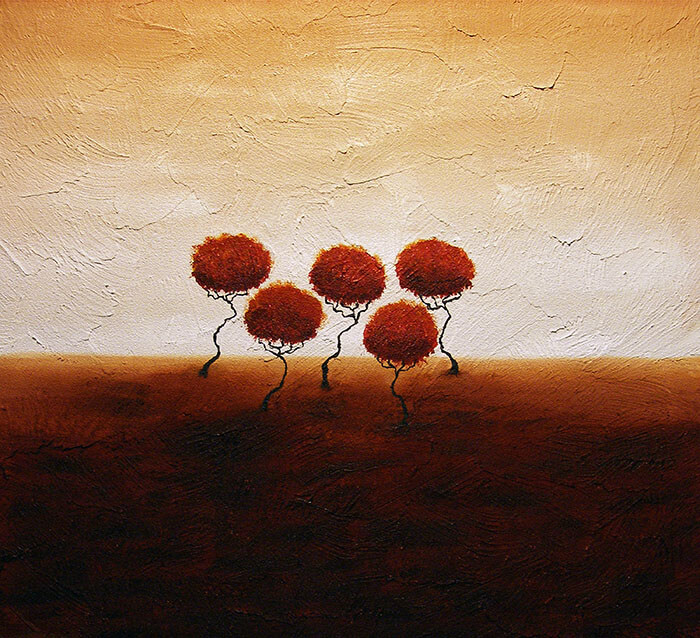
Where do you see negative space and positive space in this image? How do negative space and positive space draw the viewer's eye around the piece?
Header Art Image Courtesy of Wikimedia Commons.
