Like visual artists, writers create vivid images using recognizable techniques. A writer's technique relies on words rather than paint, and the pictures are imagined by readers rather than actually seen.
One of the most commonly used literary techniques is the figure of speech--also known as figurative language. Figurative language is language that does not mean exactly what it says. Instead, it suggests some of its meaning by comparing two things. Literal language, on the other hand, means exactly what it says. Literal language is quite plain, and requires no interpretation from the reader. Figurative language requires readers to think a bit harder about connections between the words and what they mean in a particular context or situation.
Read these examples of literal and figurative language:
 Literal: The boy ran fast.
Figurative: The boy ran like the wind.
The figurative example makes a comparison between the boy and the wind. Readers will interpret this comparison to mean that the boy is as fast as the wind--really fast, in other words, and perhaps carefree in his attitude as well.
See if you can tell the difference between figurative and literal language. Read the examples on the following slides and decide which descriptions are literal and which are figurative. Click the Show Me button to check your answers.
|
Which of the following is an example of figurative language?
The people dance as if no one is watching. They swing their arms like windmills. They are buffalo stomping their feet. or The sun is bright where the students dance on the beach. They are having a great time, and laugh with merriment.
The people dance as if no one is watching. They swing their arms like windmills. They are buffalo stomping their feet. Which of the following is an example of literal language?
The puppy was born only a month ago, and still snuggles next to its mother for warmth. or The velvety puppy whimpers next to its mother and nuzzles its feather-soft nose to her ear.
The puppy was born only a month ago, and still snuggles next to its mother for warmth. Which of the following is an example of literal language?
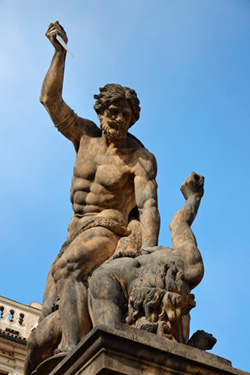
The stone statue had been slashed as purposefully and vengefully as if the artist himself had felt the fighter’s fury. or The stone statue depicts a Roman fighter moments before he slays his best friend, a liar and traitor who had turned against his friend in battle.
The stone statue depicts a Roman fighter moments before he slays his best friend, a liar and traitor who had turned against his friend in battle. Which of the following is an example of figurative language?
Tom stacked the pennies in the jar--leaning towers of copper. He still believed that one day, if he saved enough, he would be able to buy a home of his own. or The brown pennies shimmered in the sunlight. Even from across the room, Tom could count his fortune in the jar.
Tom stacked the pennies in the jar--leaning towers of copper. He still believed that one day, if he saved enough, he would be able to buy a home of his own. |
 |





Question
What is the difference between literal and figurative language?
