Let’s Practice: Identify the Types of Fossils
Can you identify each type of fossil?
Goal:
Goal:
There are six different types of fossils. Do you remember them? Read the descriptions below to review. Then, look through the flashcards using the Back and Next buttons. If you know the name of the fossil, click the card to check your answer!
- Mold fossils form when dirt or sand hardens around an organism. Then, the organism decays, leaving an imprint of its form.
- Trace fossils show evidence of the activity of an organism, such as footprints, burrows, and feeding marks.
- True form fossils are preserved in the same form as the original organism. You can see structures such as bones, teeth, shells, and hairs.
- In petrified fossils, the organism has been replaced over time by minerals. For example, wood becomes stone.
- Carbon film fossils are preserved in a thin film of carbon, often seen in impressions of leaves and feathers.
- Amber fossils are preserved in amber, a hardened tree resin, like sap. Amber fossils usually contain insects or other small organisms.
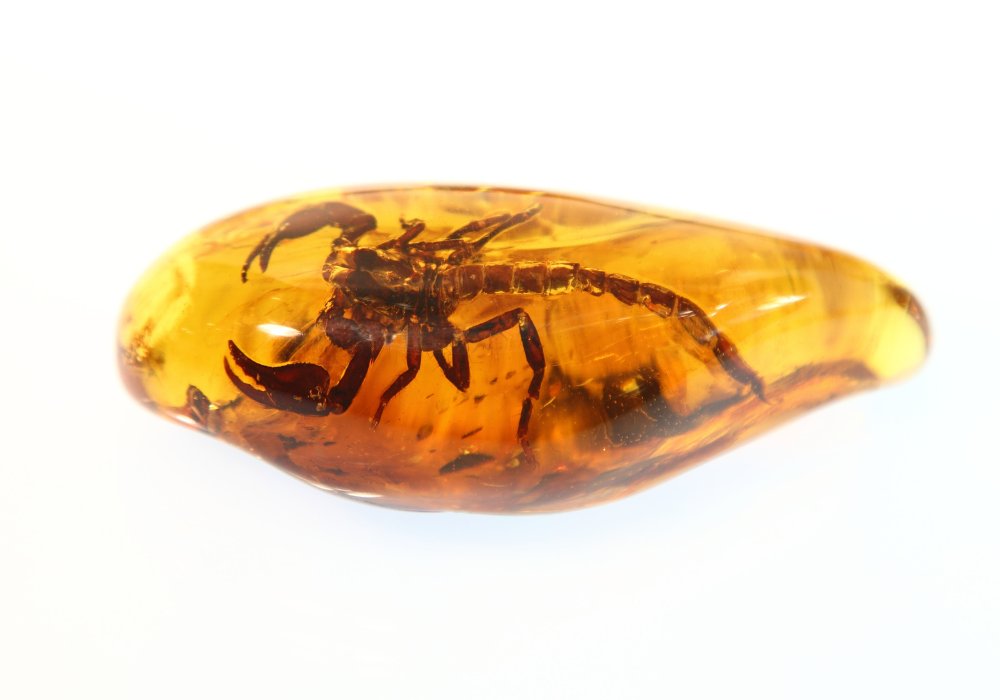
amber fossil of a scorpion
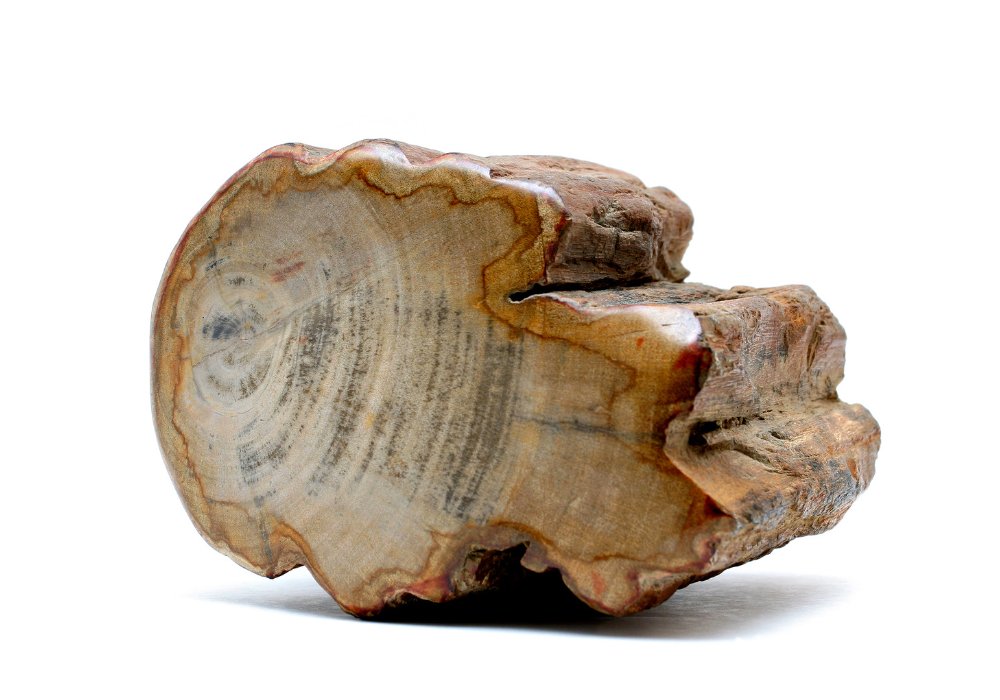
petrified fossil of a piece of wood
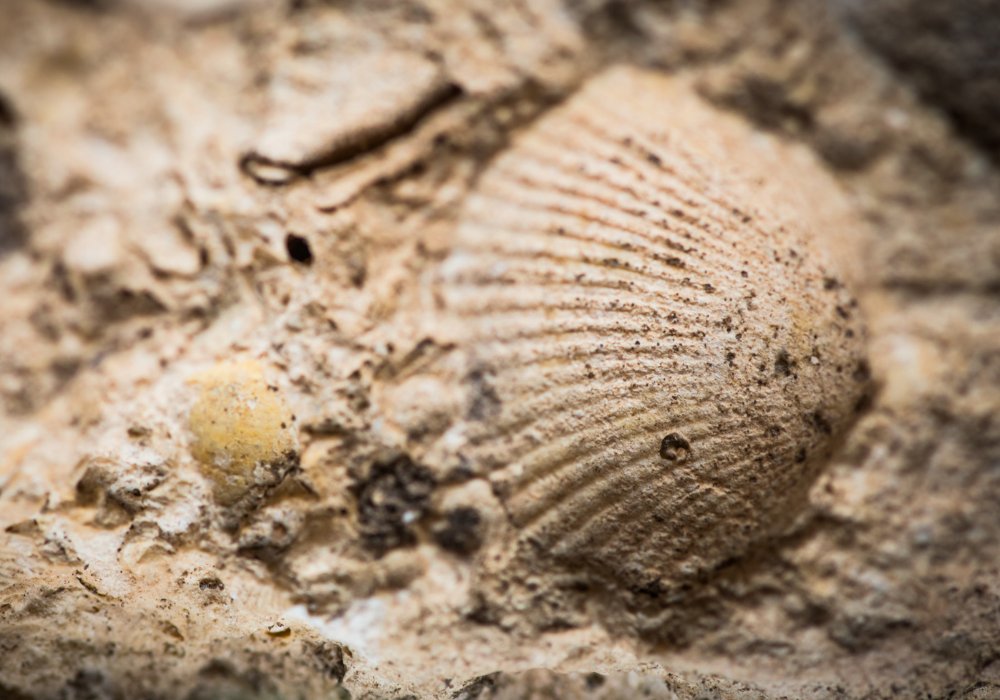
mold fossil of a shell
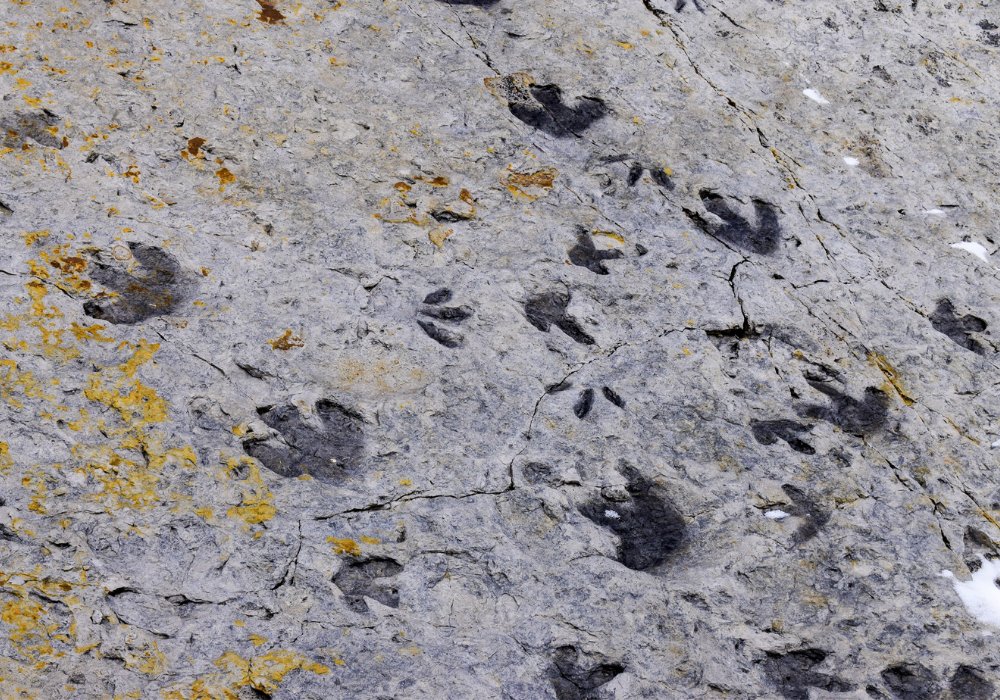
trace fossils of dinosaur footprints
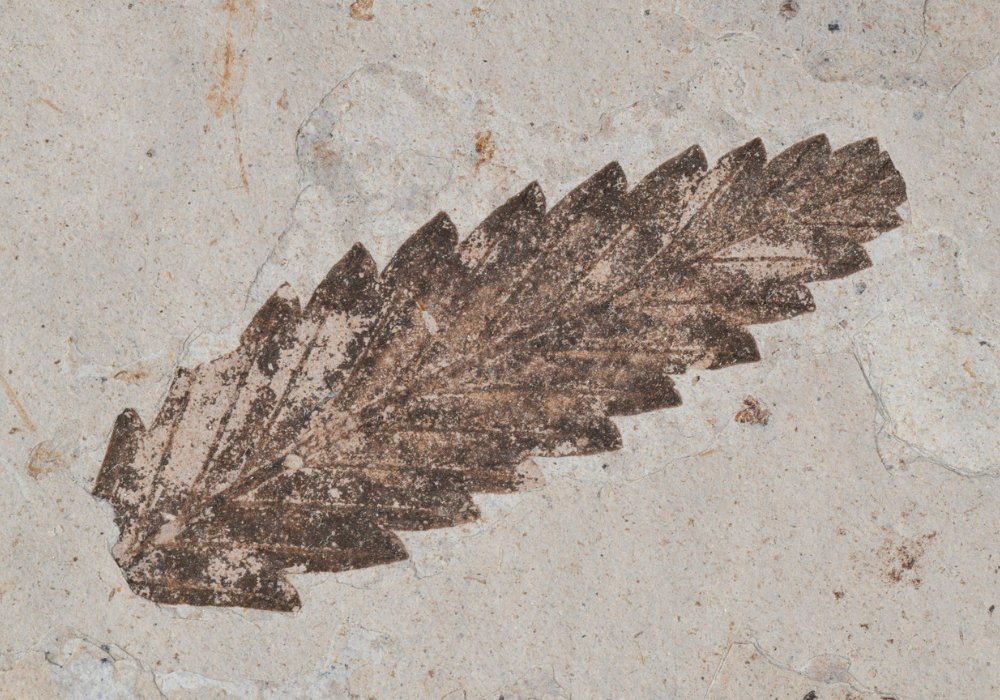
carbon film fossil of a leaf
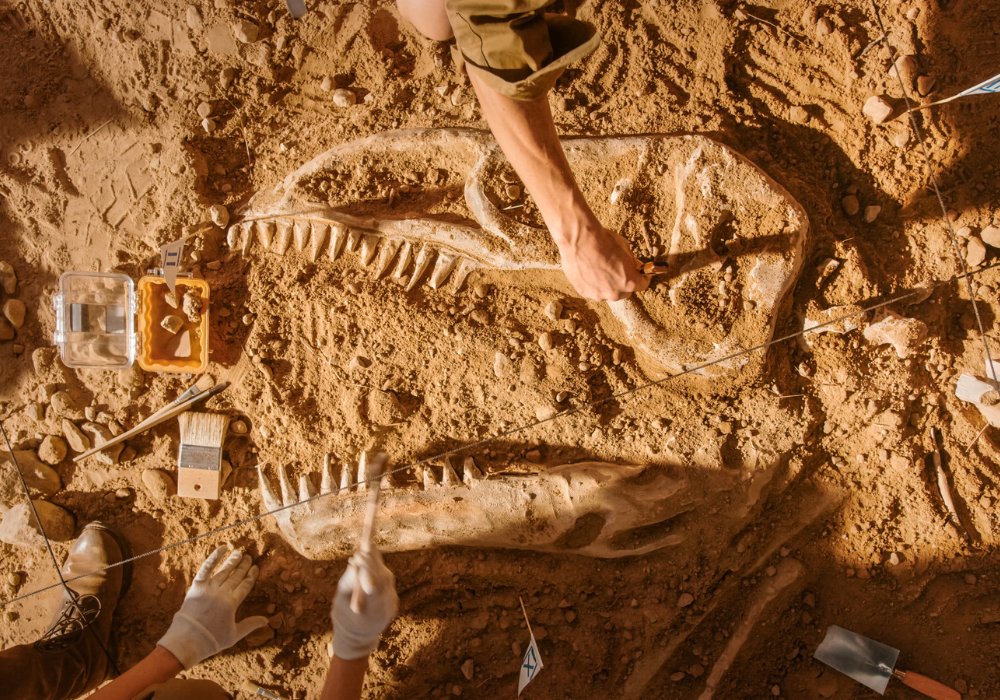
true form fossil of a tyrannosaurus rex