There are five characteristics of life. All living things share these five characteristics, no matter how different they may seem. Look through the tabs below to learn more about the five characteristics of life.
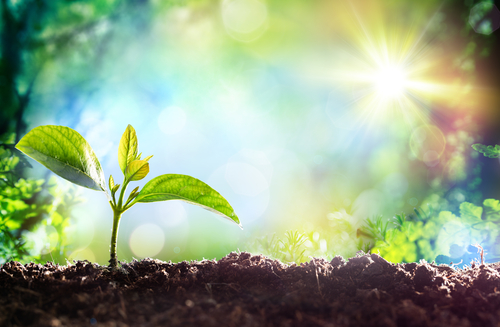
Cars move down the road. Clouds move above the Earth. Nonliving things move because an outside force or energy moves them. The outside force could be gravity, wind, or a living thing, such as a person pushing a cart. Motors move because of energy released by electricity, gasoline, or some other fuel. Gravity causes rivers and rocks to move. Winds push clouds across the sky.
Living organisms move as a part of keeping their basic life support systems working. Hearts pump blood and lungs breathe air automatically. It is not something that the individual consciously decides to do. It is a part of staying alive that our bodies do for us, not because of an outside force.
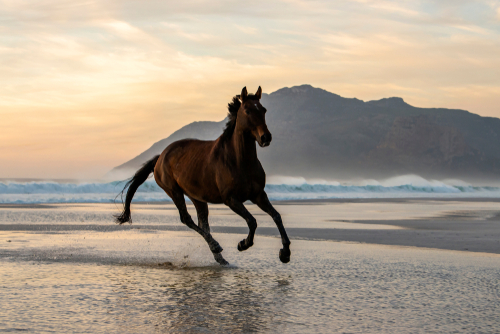
Many animals move because they enjoy movement. Some movement is quick and easy to observe, while other movement can be so slow that is unnoticeable. A boy likes to swing higher and higher, so he pumps his legs and enjoys the breeze and the view. A girl wants to get to the top of that mountain, so she continues hiking. Some animals (for example, otters, horses, and domestic dogs) appear to run, jump, and play at times simply because they want to. These are not necessarily activities based in survival but in the desire of living things to move.
Organisms get energy that they need (to move and respond) from the sun. The sun’s energy, in the forms of light and heat, warms us and is transformed into stored energy in the food that living things consume.
Growth is a response to eating food. Humans usually decide when to eat because we notice that we’re hungry, or the people taking care of us offer us appealing food. For many animals, there is less decision-making and more instinct. They eat in order to absorb the energy they need to move and grow.

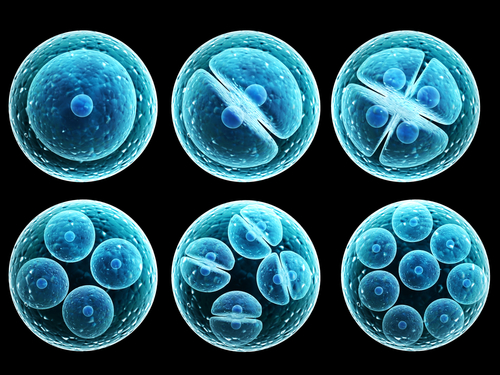
Most animals produce offspring, such as someone’s child or an animal’s young. Single-celled animals or plants reproduce by cell division. Plants produce seeds that sprout new plants. Living organisms reproduce new individuals, which then reproduce the next generation of new individuals, and so on. For all living organisms, reproduction begins at a cellular level. The level of complexity varies from organism to organism.
Nonliving things can change form, such as when a solution changes from liquid to a solid. This could look like moving or reproducing, but it actually is not. Although the form, in its shape and texture, may change, it is still the same material that it was. Only living things actually "reproduce."
To respond means to change as a reaction to something. For example, you respond to being cold by getting “goosebumps” or by putting on a jacket or sweater. Sunlight at dawn awakens you in the morning. If you touch a hot stove, you quickly pull your hand away from it. These are ways that you respond to your environment. All living things respond to changes around them.
The change that causes a response is called a stimulus. The reaction to the stimulus is called a response. Living things can respond to internal stimuli, such as eating as a result of hunger, or external stimuli, such as squinting in the sun. In the previous examples, the cold air, sunlight, and hot stove are all stimuli (the plural of stimulus). In the realm of science, any and all changes can be interpreted in terms of a specific response to a particular stimulus or to a group of stimuli.
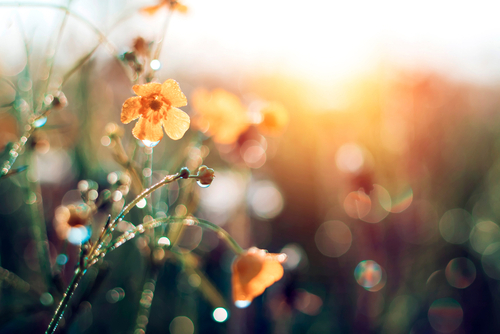
It is important to notice that all living things need air, water, food and shelter to survive.
They also need the sun. All heat and energy come from the sun, either directly as light or heat or indirectly through the energy stored in food. Organisms respond differently to different conditions based upon their individual needs and requirements. The senses of organisms develop so that they will be able to fulfill and satisfy their needs. Organisms that fail to fulfill their needs will die, and those that succeed will live and continue to move, respond, and reproduce.

Reflection
Question
You are watching TV when you realize you are thirsty. At a commercial, you get a glass of water and continue watching your show again. Which characteristics of life are you exhibiting?
You are exhibiting movement, energy use, response to stimuli, and requirement for water.
