In a previous lesson, you learned how chemists use chemical equations to describe what occurs in a chemical reaction. Throughout history, scientists have conducted experiments and observed chemical reactions, shaping the modern understanding of atoms and their interactions.
Some chemical reactions are showy; they produce bubbles, heat, light, or color changes. Others are difficult to visually observe. And sometimes, no reaction at all happens when substances are mixed!
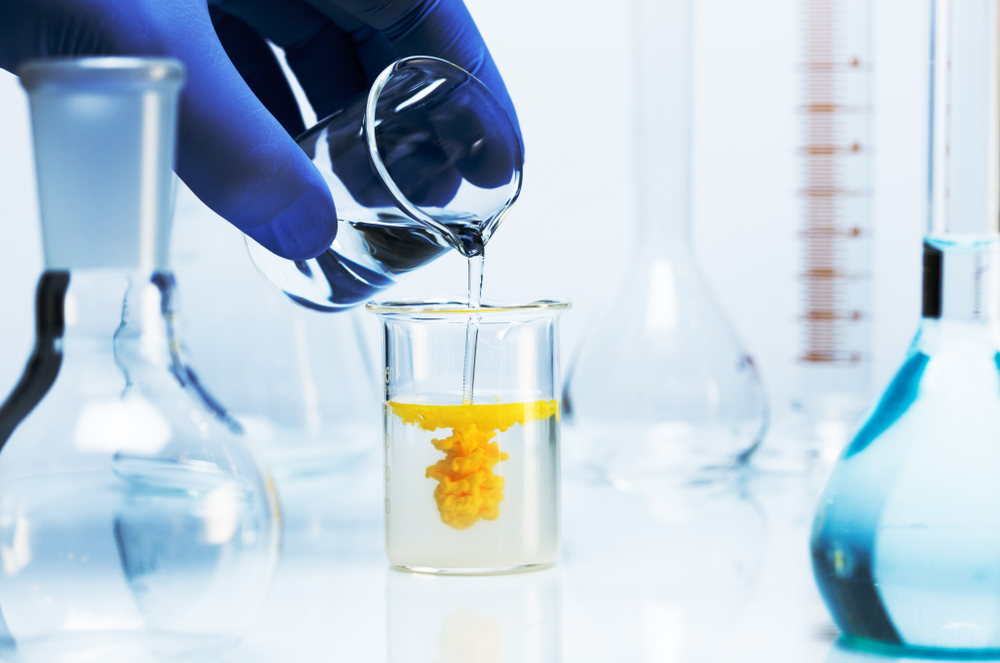
A chemical reaction occurs because atoms and molecules change to obtain a lower-energy, more stable electron configuration. Principles like conservation of mass and thermodynamics drive this process. When molecules collide with sufficient energy and the proper orientation, existing bonds can be broken, and new bonds can form. This forms products that have less free energy and are more stable. Study the slideshow to see how energy is involved in chemical reactions.
Storing Energy

Atoms and molecules are held together by chemical bonds that store various amounts of chemical energy. When chemical reactions occur, chemical bonds can be broken, formed, or reformed. When reactants absorb energy, their chemical bonds are broken, making them available to rearrange and bond with other atoms.
When new chemical bonds are formed in making products, some energy is released during the process. In certain reactions, the released energy is transformed into heat or light, like when certain fuels react with oxygen, resulting in a fire.
Giving Off Energy
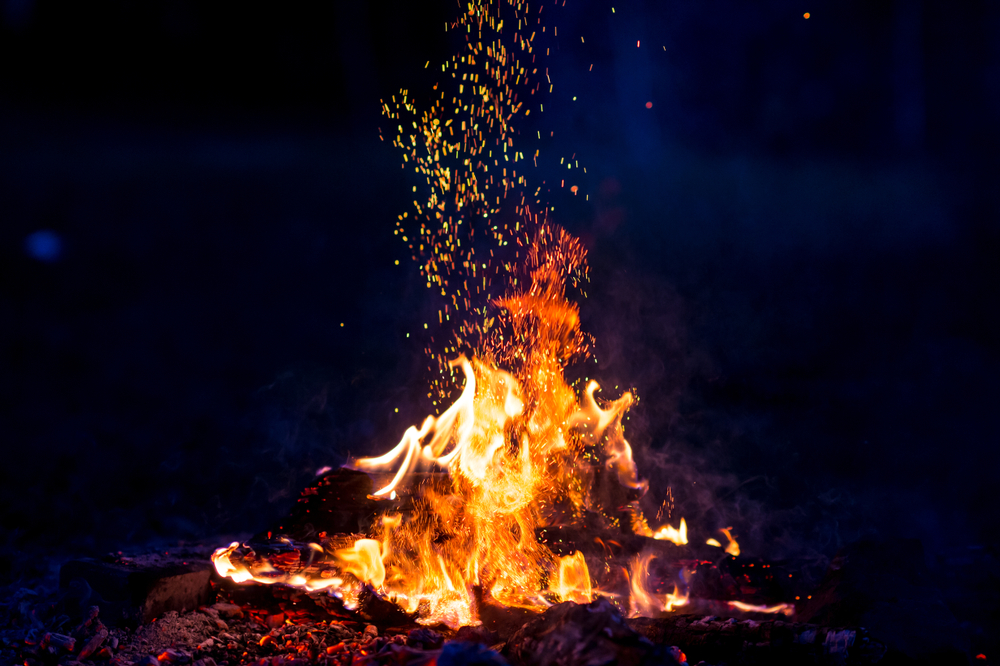
Chemical reactions need some amount of energy to occur. In some reactions, the formation of new bonds in the products releases more energy than was required to break the bonds in the reactants. This excess energy is released as heat, making the surroundings warmer. For example, reactions like the burning of wood or rusting of iron are exothermic because they release heat (outward).
Absorbing Energy
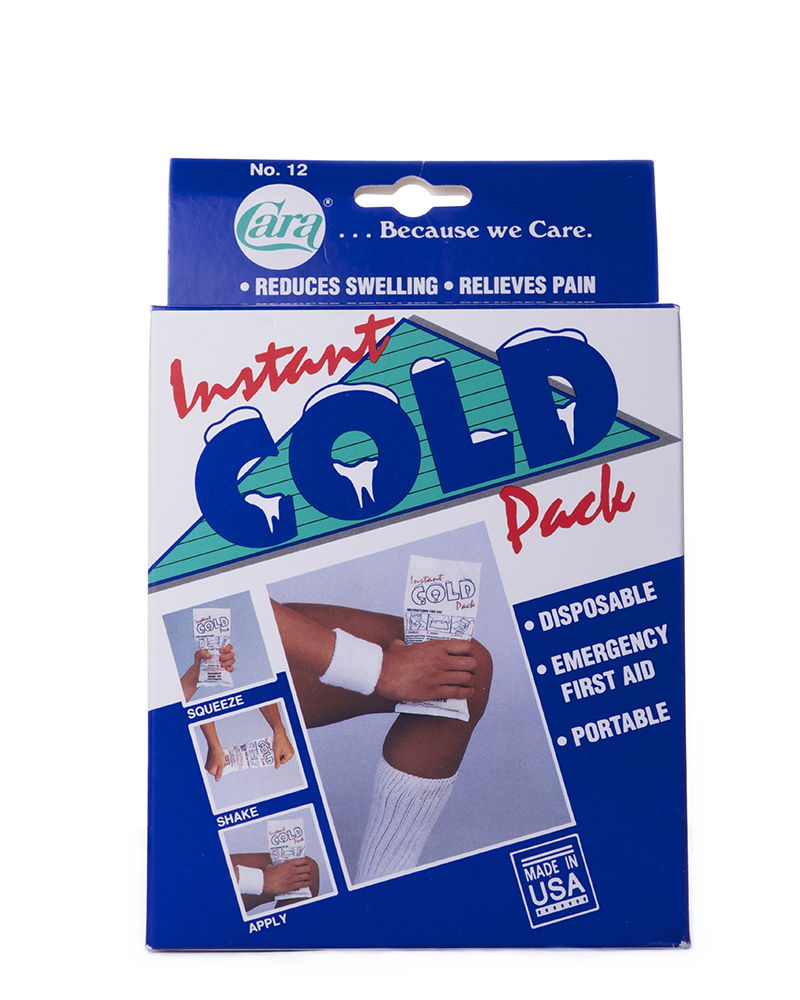
In other reactions, the energy absorbed to break the reactant bonds is greater than the energy released when the product bonds are formed. This process draws energy from the surroundings, causing them to cool. For example, baking bread or the cooling action of a chemical cold pack are examples of endothermic reactions that absorb energy (inward).

Let's Practice
Practice identifying the properties of chemical bonds by answering the questions. Then, compare your answers to the sample answers.
Why does breaking chemical bonds require energy, while forming bonds releases energy?
Why does dissolving some salts in water make the solution colder, while dissolving others makes it warmer?
If a reaction absorbs more energy to break bonds than it releases when forming bonds, what type of reaction is it?
| Your Responses | Sample Answers |
|---|---|
| Breaking chemical bonds requires energy to overcome the attractive forces holding the atoms together, moving them to a higher, less stable energy state. Forming chemical bonds releases energy because the atoms achieve a more stable, lower energy configuration by combining, and this energy is released into the surroundings as heat or light. | |
| Dissolving a salt requires energy to break the strong ionic bonds. Energy is released when new bonds are formed between the water and the ions. The overall temperature change depends on the balance between the energy required for the reaction and the energy produced to form new products. Salts that make a solution cooler absorb more energy than they produce (endothermic), while salts that make the solution warm produce excess energy in the form of heat (exothermic). | |
| This type of reaction is endothermic because more energy is required to break the bonds of the reactants. | |
