Earlier in this course, you learned that reactions occur when reacting particles such as atoms and molecules get close enough to interact with each other. The speed of reaction, called the reaction rate, tells how fast this reaction occurs.
The magnesium used in the MRE reacts with water and will quickly produce enough heat to boil the water and cook the food. To understand this reaction, look at the reaction of magnesium and water.
When magnesium ribbon is placed in cold water there is not a visible reaction. If it is allowed to sit for a very long time, small bubbles might become visible. The magnesium ribbon has a very slow rate of reaction. The reaction that is occurring in this case is:
Mg(s) + H2O(l) → Mg(OH)2 (s) + H2 (g)
When the water is heated up, more of a reaction is seen, so the reaction rate has increased. The fact that the reaction has occurred can be seen by adding a chemical called an indicator that will turn a different color if Mg(OH)2 is present.
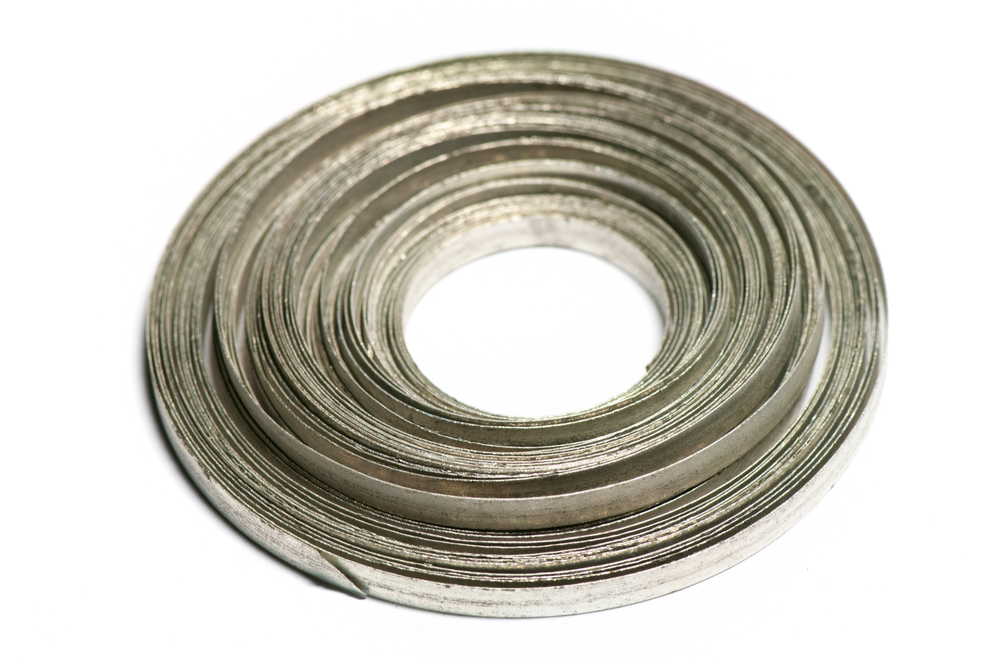
magnesium ribbon
In the MRE heater, magnesium dust is present with salt and iron dust. When water is added to this mixture, a reaction occurs very quickly and can be used to heat up food. This iron dust is considered a catalyst. A catalyst is something that causes a reaction to go faster than it normally would.
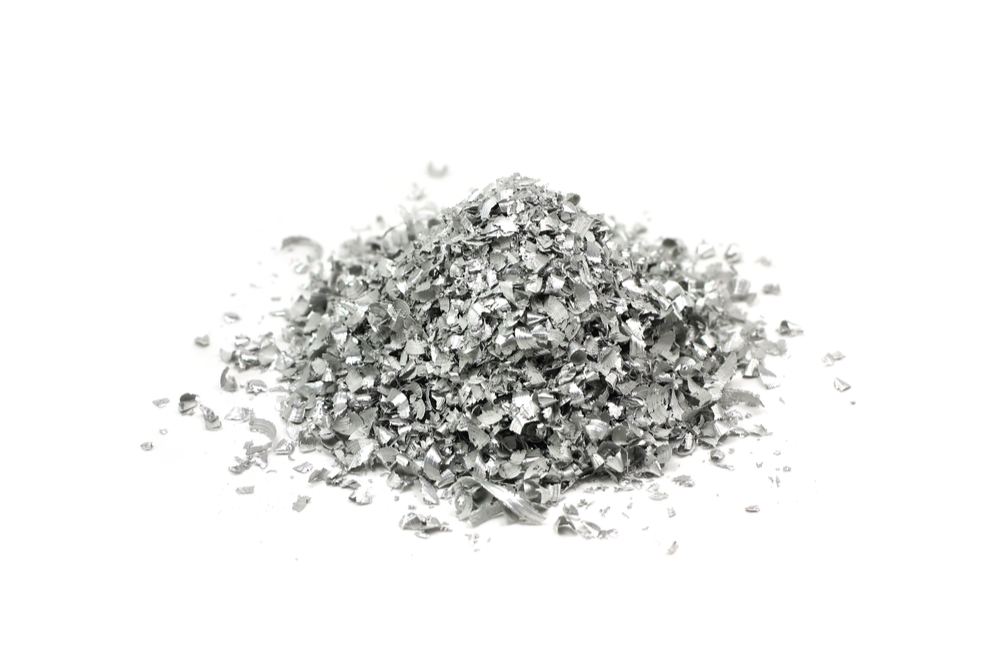
magnesium dust
Question
The information on this page mentioned three different factors that could affect the reaction in the MRE heater. What are those factors?
The three factors that could affect the reaction in the MRE heater are temperature, size of particles, and the presence of a catalyst.

Reflection
Three factors were mentioned on this page that could affect the reaction. Describe how you think these three factors can affect the reaction happening in the MRE’s flameless heater.
