
Conversation
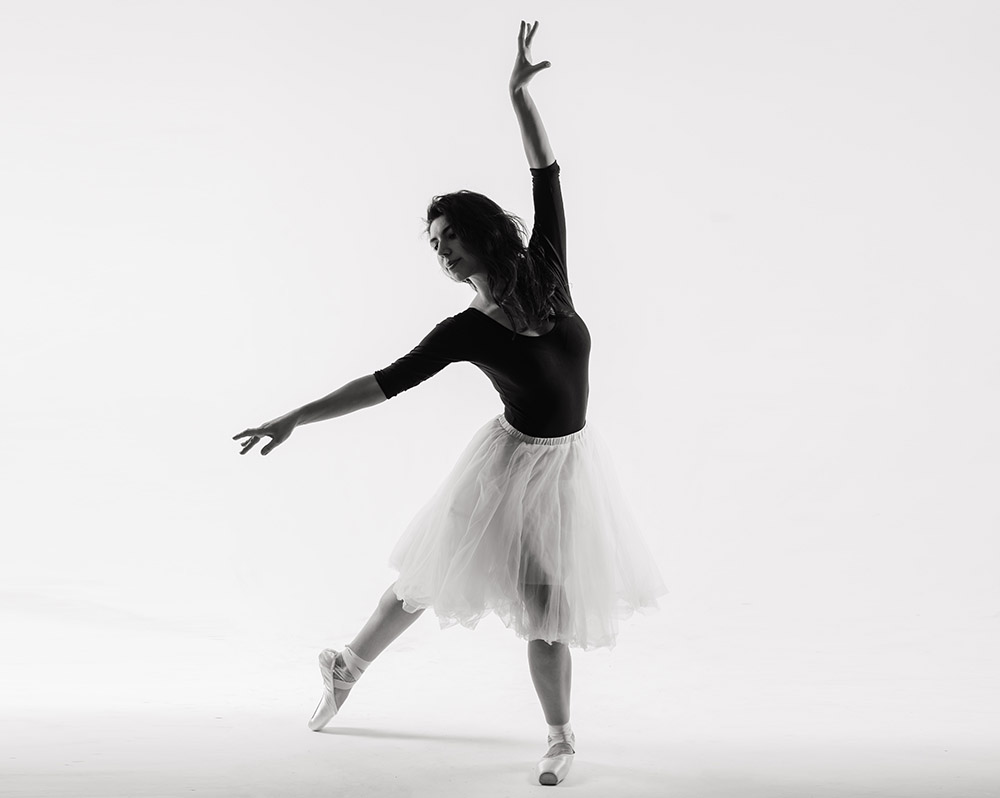
Do you remember Josette? She’s short, she has brown hair, and she’s does ballet.
How often do you describe people in your everyday life? Maybe you need to describe the musician whose name you can’t remember, the dancer on TV last night, or the cute student who sits behind you in math class. There are a lot of reasons to learn to describe people in French. You might not realize how often you use adjectives and other ways of describing people as a way to jog someone’s memory.
In French, to ask what someone looks like, you use one of the following questions. Which one you choose will depend on whether the person you are speaking about is male or female.
- What's he like? Comment est-il?
- What's she like? Comment est-elle?
Notice that the French is not a direct translation of the English. The French expression literally means “How is he/how is she?”
When describing how people look or are, then être is a good verb to use.
| je suis | nous sommes |
| tu es | vous êtes |
| il/ elle est | ils/ elles sont |
Par exemple:
| Je suis grand. | I am tall. |
| Elle est petite. | She is small. |
| Je suis sportif. | I am sporty. |
| Elle est contente. | She is happy. |
What if you want to talk about the color of a person's eyes (les yeux) or hair (les cheveux) or to point out that they have freckles or dimples? Then, you need the verb avoir.
| j’ai | nous avons |
| tu as | vous avez |
| il/ elle a | ils/ elles ont |
Par exemple:
| J’ai les cheveux longs. | I have long hair. |
| Elle a les yeux bruns. | She has brown eyes. |
NOTE: The adjectives in the avoir section are plural. Why? Because the nouns they modify, cheveux and yeux, are plural.
