In French, you can use plus or moins before any adjective or describing word. Can you remember some of the adjectives have you learned so far?
grand(e), petit(e), beau/belle, sympathique, méchant(e), tranquil/tranquille, amusant(e), ennuyeux/ennuyeuse, actif/active, sportif/sportive, bon/bonne, mauvais(e) …
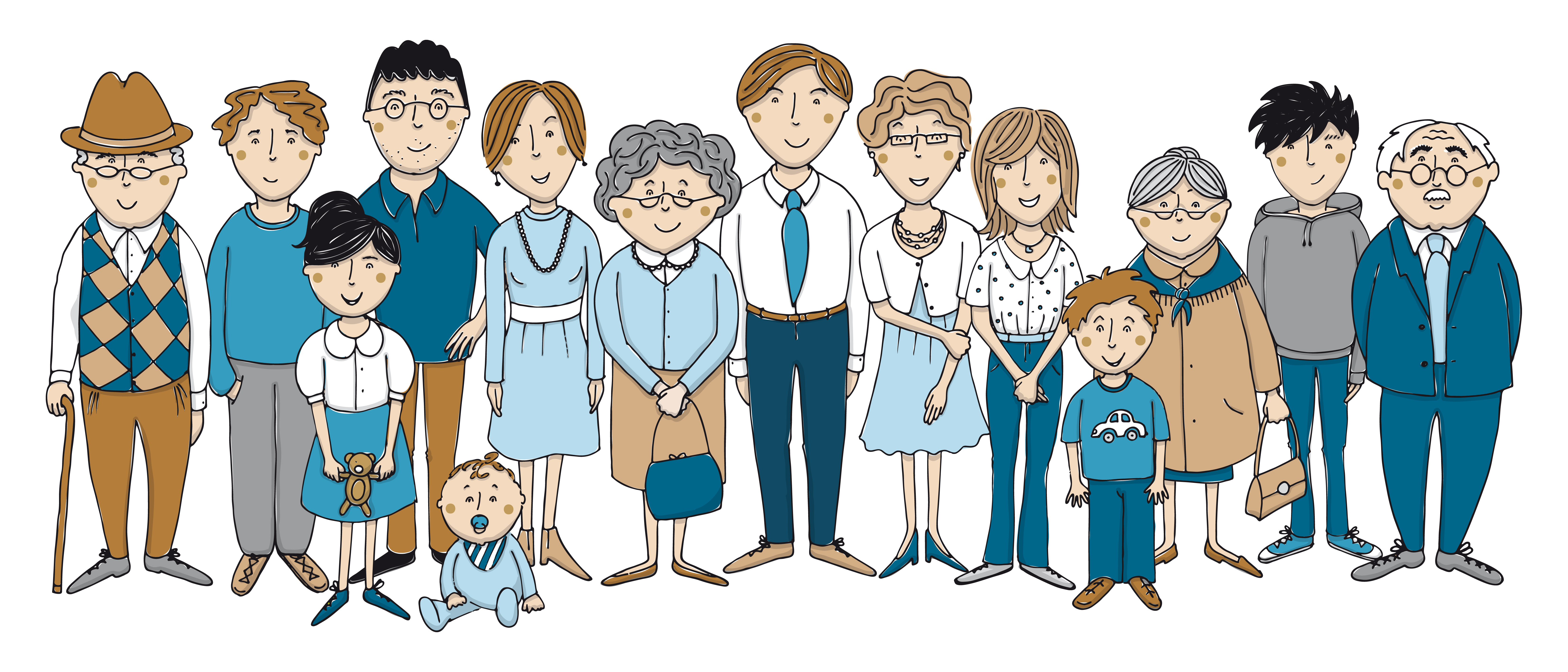
Review the meanings of these words in the table below. Decide what the French word means. Then click the word to check your answer.
| French | English |
|---|---|
|
handsome, good-looking |
|
|
beautiful, good-looking |
|
|
bad |
|
|
good |
|
|
mean |
|
|
nice |
|
|
fun, amusing |
|
|
boring, annoying |
In this next activity, read each question in French. Then, select the question that best matches it in English.
Which one?
Qui est plus sympathique?
Qui est plus sympathique means Who is nicer.
Qui est plus sympathique means Who is nicer.
Qui est plus sympathique means Who is nicer.
Qui est plus belle?
Qui est plus belle means Who is prettier.
Qui est plus belle means Who is prettier.
Qui est plus belle means Who is prettier.
Qui est moins amusant?
Qui est moins amusant means Who is less fun.
Qui est moins amusant means Who is less fun.
Qui est moins amusant means Who is less fun.
Qui est moins actif?
Qui est moins actif means Who is less active.
Qui est moins actif means Who is less active.
Qui est moins actif means Who is less active.
You got # out of # correct. Click the Retry button for another attempt.
You got a perfect score. Great job!
Now, practice your listening skills. Click to hear the audio. Then, select the best English translation of the French question you hear.
- Who is less pretty?
- Who is less nice?
- Who is better looking?
Qui est plus beau means Who is more good-looking.
Qui est plus beau means Who is more good-looking.
Qui est plus beau means Who is more good-looking.
- Who is less pretty?
- Who is nicer?
- Who is more beautiful?
Qui est plus belle means Who is more beautiful.
Qui est plus belle means Who is more beautiful.
Qui est plus belle means Who is more beautiful.
- Who is less boring?
- Who is more fun?
- Who is less fun?
Qui est moins amusant means Who is less fun.
Qui est moins amusant means Who is less fun.
Qui est moins amusant means Who is less fun.
- Who is less young?
- Who is more active?
- Who is younger?
Qui est plus jeune means Who is younger.
Qui est plus jeune means Who is younger.
Qui est plus jeune means Who is younger.
Summary
Questions answered correctly:
Questions answered incorrectly:
Faites attention! Sometimes you will need to use critical thinking to translate expressions using plus or moins into English. For instance, in English we don’t say more young, we say younger; and we don’t say either gooder or more good, we say better. And we say more intelligent, not intelligenter. So, once you understand the meaning of the comparison in French, if you need to translate into English, adapt the meaning as best you can.
Once you start to gain some fluency in French, you won’t need to think in English terms as much and eventually, you may even think or dream in French!
Question
How do you say Who is meaner in French?
Qui est plus méchant(e)?
