When someone views your website, they will see the content that is displayed on each page including images, videos, and other assets. Unless they are particularly interested in how a web page is put together, visitors to your site won't look at the source code. A search engine, however, looks there first.
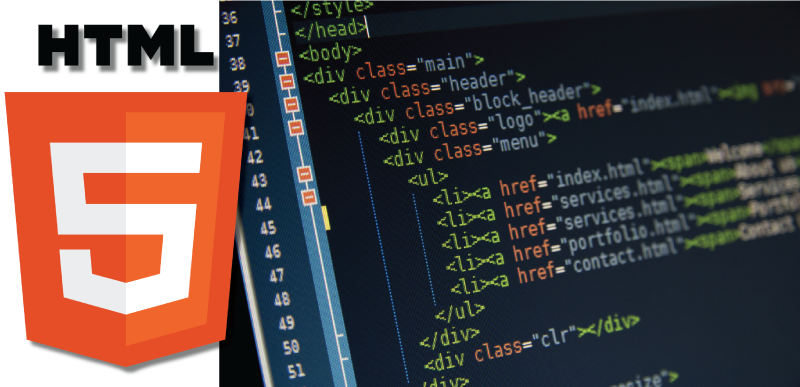
The same HTML tags that helped you build your website offer some automatic tools that you can use "behind the scenes" to optimize search engine performance. Specifically, you can use the HTML tag to leave messages for search engines, such as what kind of content your website offers, who wrote that content, and what keywords it contains.
To optimize your website for search engine visibility, you should always include these tags as part of the metadata for each page. Click on each page characteristic below to review a coding sample and description.
| Page Characteristic | HTML Element/Example |
|---|---|
|
<title>YouTube</title>
|
|
|
<meta name="description" content="Enjoy the videos and music you love, upload original content, and share it all with friends, family, and the world on YouTube.">
|
|
|
<meta name="keywords" content="video, sharing, camera phone, video phone, free, upload">
|
Keep in mind that your keywords and descriptions must be relevant to your site. When a potential viewer finds your site in a web search, you want them to be happy they landed on your site—rather than confused about how they got there. It should be immediately obvious to a visitor why the search engine directed them to your website based on the search term they entered. Placing relevant keywords in the <meta> element will optimize your website's ability to draw visitors who want to be there and will stay for a while, clicking on other pages in your site.
Question
A website's URL or web address does appear in the element. Why would it affect search engine results?
URLs are often copied and pasted as links in forums, blogs, and other online locations. Search engines treat these URLs as text on a page. In this way they can act as anchors to your own website. They may show up as part of the search results just because part of the URL matches a search term.
