Every day you encounter and use many ionic compounds. Some of these are binary ionic compounds that consist of only two elements that gain/lose electrons to become ions. Here are two examples:
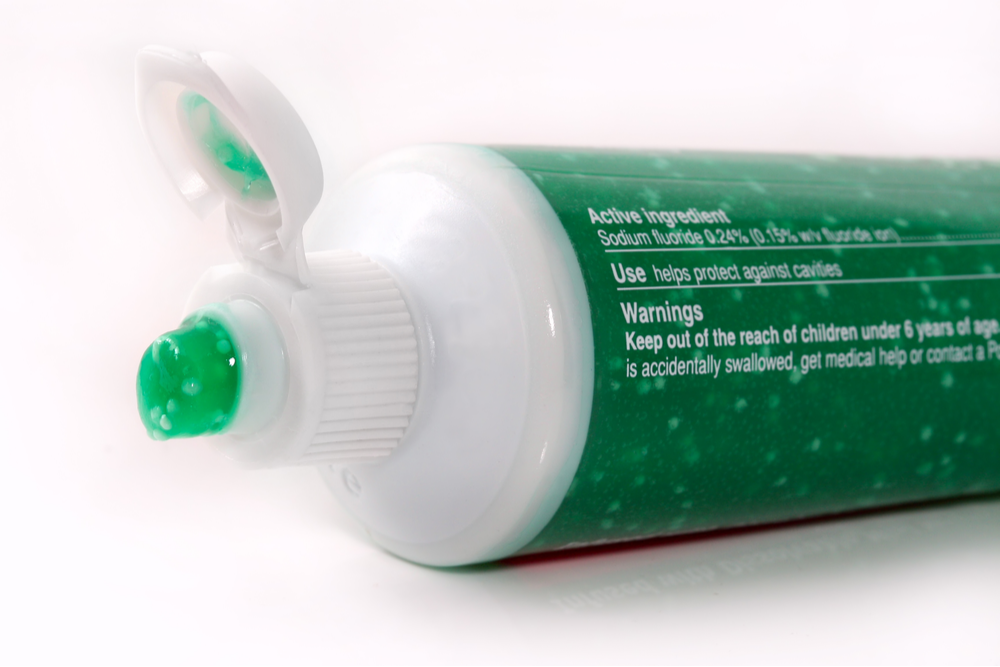
Sodium fluoride, which is found in toothpaste, is composed of sodium (Na+) ions bonding with fluoride (F-) ions.

Magnesium chloride, used to de-ice roads in the winter, is made of magnesium (Mg2+) ions and chloride (Cl-) ions.
There are many other ionic compounds that do not fit the “binary” definition. Here are three examples:

Calcium carbonate (found in antacids).

Magnesium sulfate (found in bath salts).
Sodium hydroxide (found in drain cleaners).
These are still ionic compounds because they are made up of cations bonded to anions, but some of these ions are made up of more than just a single element.
In this lesson, you will learn about these larger, more complex ions. You will also learn how to write the names and formulas for ionic compounds that contain these ions.
Question
What is the chemical formula for road salt: magnesium chloride?
The formula for magnesium chloride is MgCl2. When writing the formula of ionic compounds, remember to criss-cross the charges, ignoring signs and ones.
| Step 1: Write the symbols and charge of each ion. |
Mg2+ Cl1− |
| Step 2: Criss-cross the charges (without the signs) so each charge becomes the other ion's subscript. |
Mg2+ Cl1− Mg1 Cl2 
|
| Step 3: Remove all ones and reduce the subscripts to the lowest whole number ratio, if necessary. |
Mg Cl2 |
