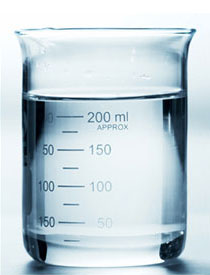
Water (a compound)
|
Most matter is made up of more than one atom. Sometimes, atoms gain and lose electrons. When atoms gain or lose electrons, they can chemically combine and form a
compound. Water is an example of a compound. Water is made of up of two kinds of atoms: hydrogen and oxygen. The building blocks of compounds are molecules and formula units. To determine if a substance is made up of molecules or formula units, you have to know the type of chemical bond that holds the elements together.
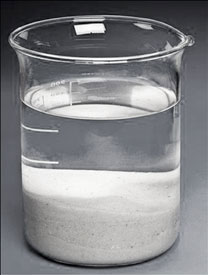
Sand and Water (a mixture)
|
Sometimes a substance is made up of different kinds of matter. A
mixture is matter that varies in composition. In a mixture, the substances that make up the mixture retain their physical properties. A
physical property is a characteristic of matter that you can measure without changing the identity of the matter. In a compound, the compound has different physical properties than the elements that make it up.
Sand and water are an example of a mixture. The sand and water do not chemically combine and both substances retain their physical properties when they are mixed together.
Compounds and Mixtures
Compare and contrast compounds and mixtures.
Both compounds and mixtures are made up of more than one atom. Compounds have different properties than the elements that make them up. In mixtures, the elements and compounds that make them up retain their physical properties.
