Assess Yourself
How well do you understand the ideas in this lesson?
Goal:
Goal:

Show What You Know!
A shape is partitioned into 5 equal parts. What fraction represents each equal piece?
- \(\Large\frac{1}{5}\)
- \(\Large\frac{5}{1}\)
- \(\Large\frac{2}{5}\)
- \(\Large\frac{5}{5}\)
That’s right! Each equal part of a shape that has been partitioned into 5 parts can be represented by the fraction \(\Large\frac{1}{5}\) .
Sorry, that is not right! \(\Large\frac{5}{1}\) would represent 5 whole shapes.
Sorry, that is not right! \(\Large\frac{2}{5}\) would represent 2 of the 5 parts of the shape.
Sorry, that is not right! \(\Large\frac{5}{5}\) would represent all 5 parts of the shape.
Each equal part of a partitioned shape can be represented by the fraction \(\Large\frac{1}{7}\). How many equal parts is the shape partitioned into?
- 1
- 7
- 17
- \(\Large\frac{1}{7}\)
Sorry, that is not right! A shape cannot be partitioned into 1 equal shape. That would be the whole shape.
That’s right! When a shape is partitioned into 7 equal parts, each part can be represented by the fraction \(\Large\frac{1}{7}\) .
Sorry, that is not right! A shape that is partitioned into 17 equal parts would be represented by the fraction \(\Large\frac{1}{17}\) .
Sorry, that is not right! \(\Large\frac{1}{7}\) represents each equal part, not the number of parts the shape is partitioned into.
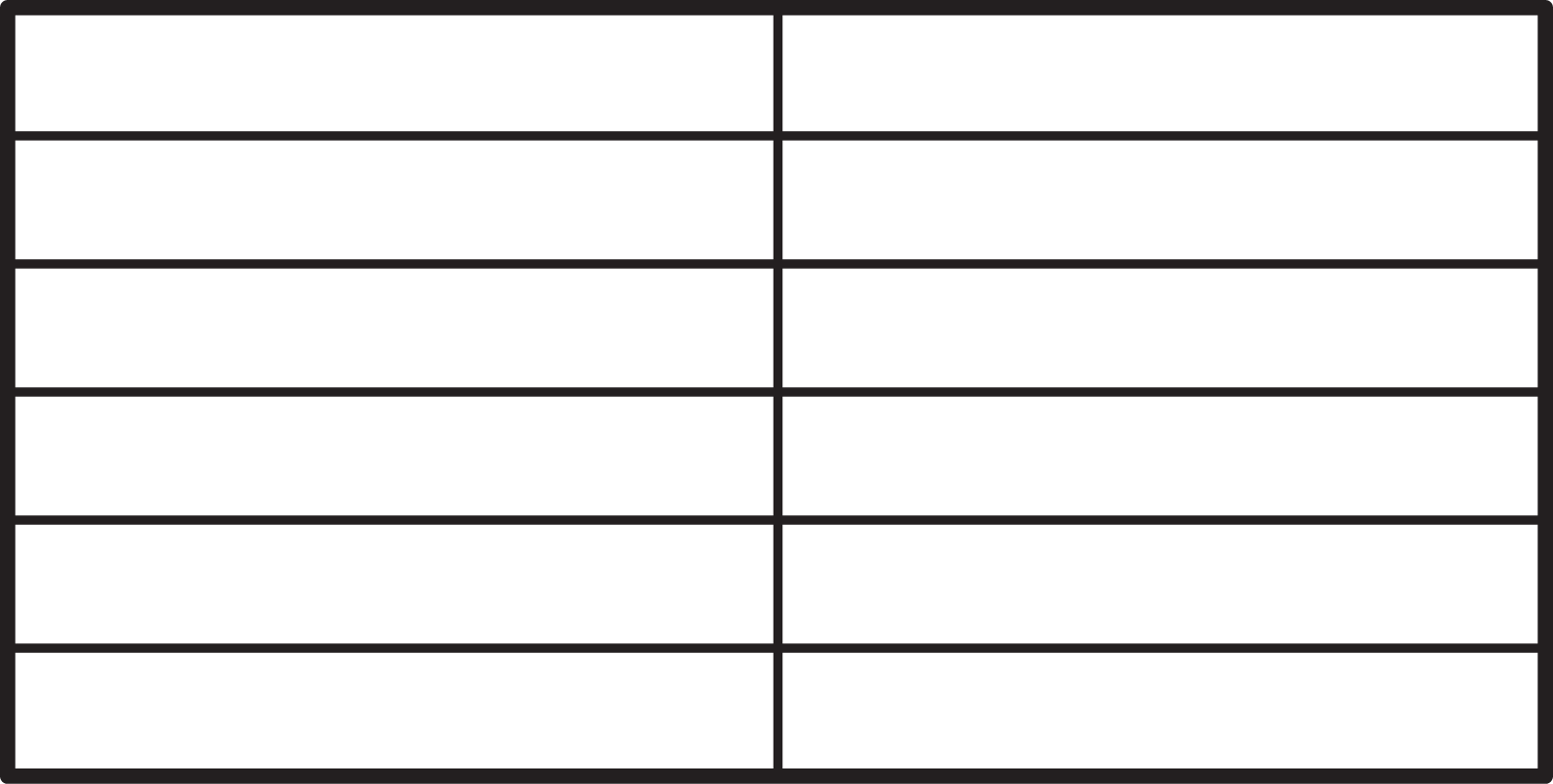
Which fraction represents each equal part of the partitioned shape?
- \(\Large\frac{1}{6}\)
- \(\Large\frac{1}{8}\)
- \(\Large\frac{1}{10}\)
- \(\Large\frac{1}{12}\)
Sorry, that is not right! There are 12, not 6, total parts that make up this shape.
Sorry, that is not right! Count each part that makes up the partitioned shape. There are 12 equal parts.
Sorry, that is not right! There are 12 total parts, not 10.
That’s right! There are 12 total parts, so each part can be represented by the fraction \(\Large\frac{1}{12}\) .
Which partitioned shape is NOT correctly partitioned into 6 parts?
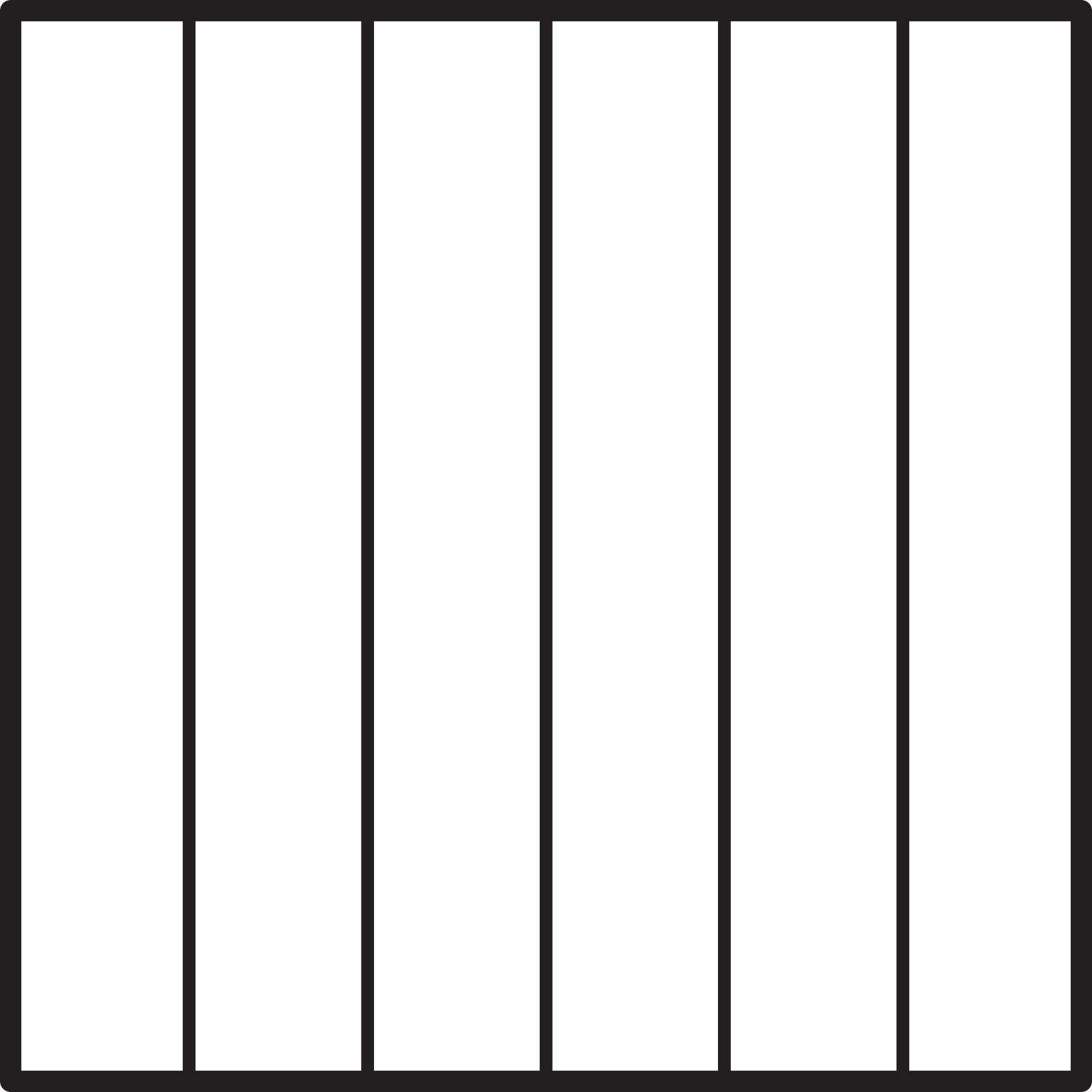
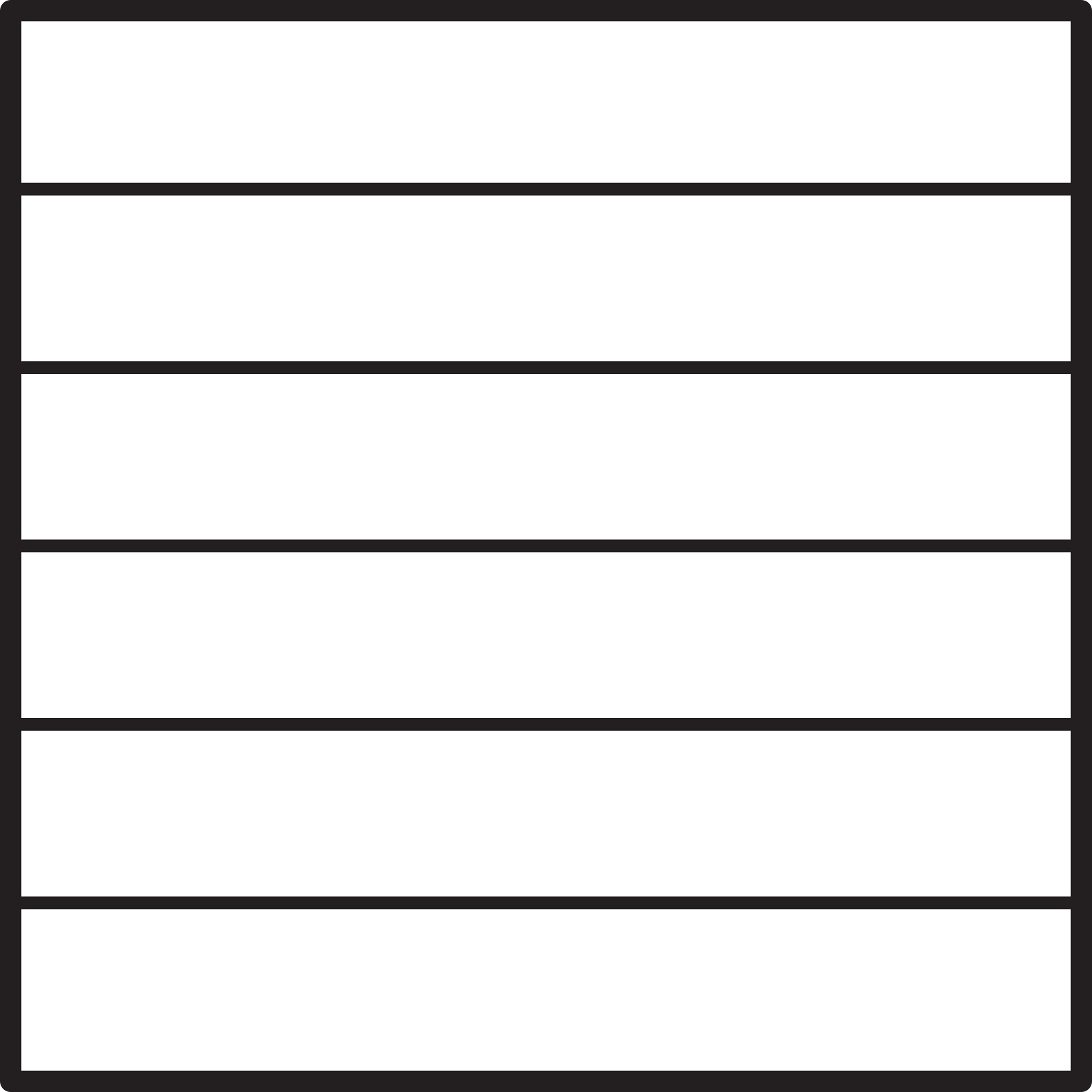
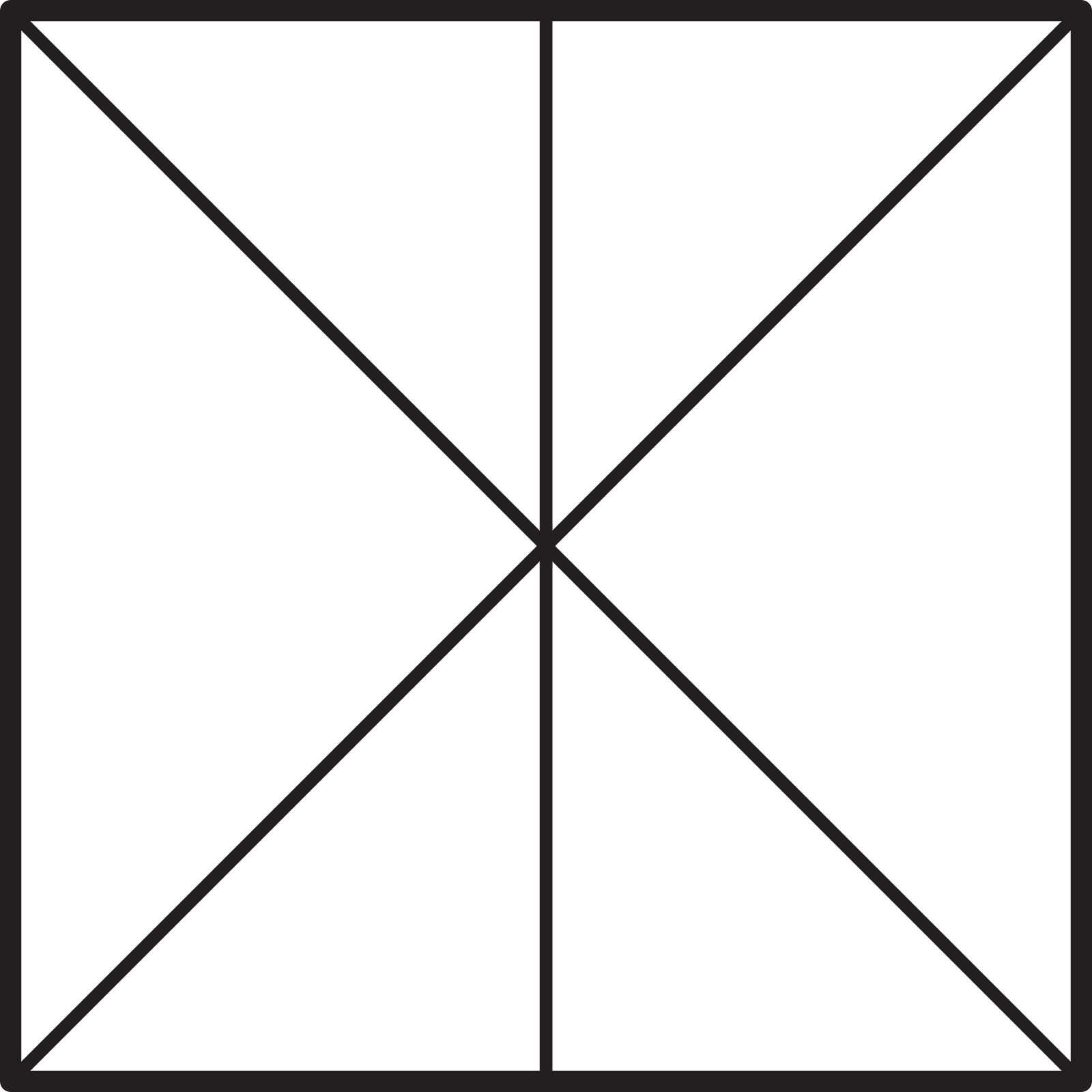
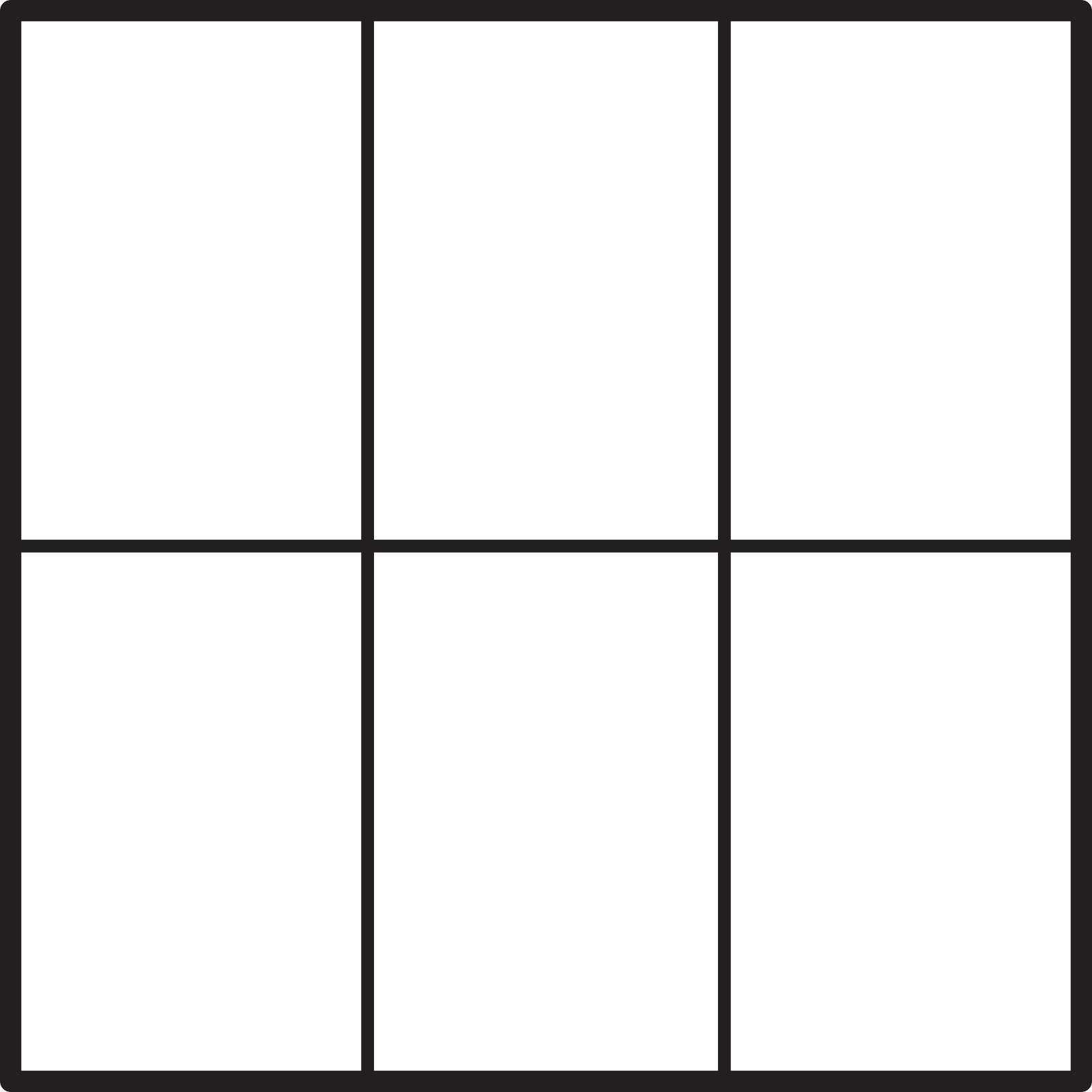
Sorry, that is not right! This shape has been partitioned correctly into 6 equal parts.
Sorry, that is not right! This shape has 6 equal-sized horizontal parts.
That's right! Each part of this shape is not the same size, so it is not partitioned correctly.
Sorry, that is not right! This shape has 6 parts that are the exact same size.
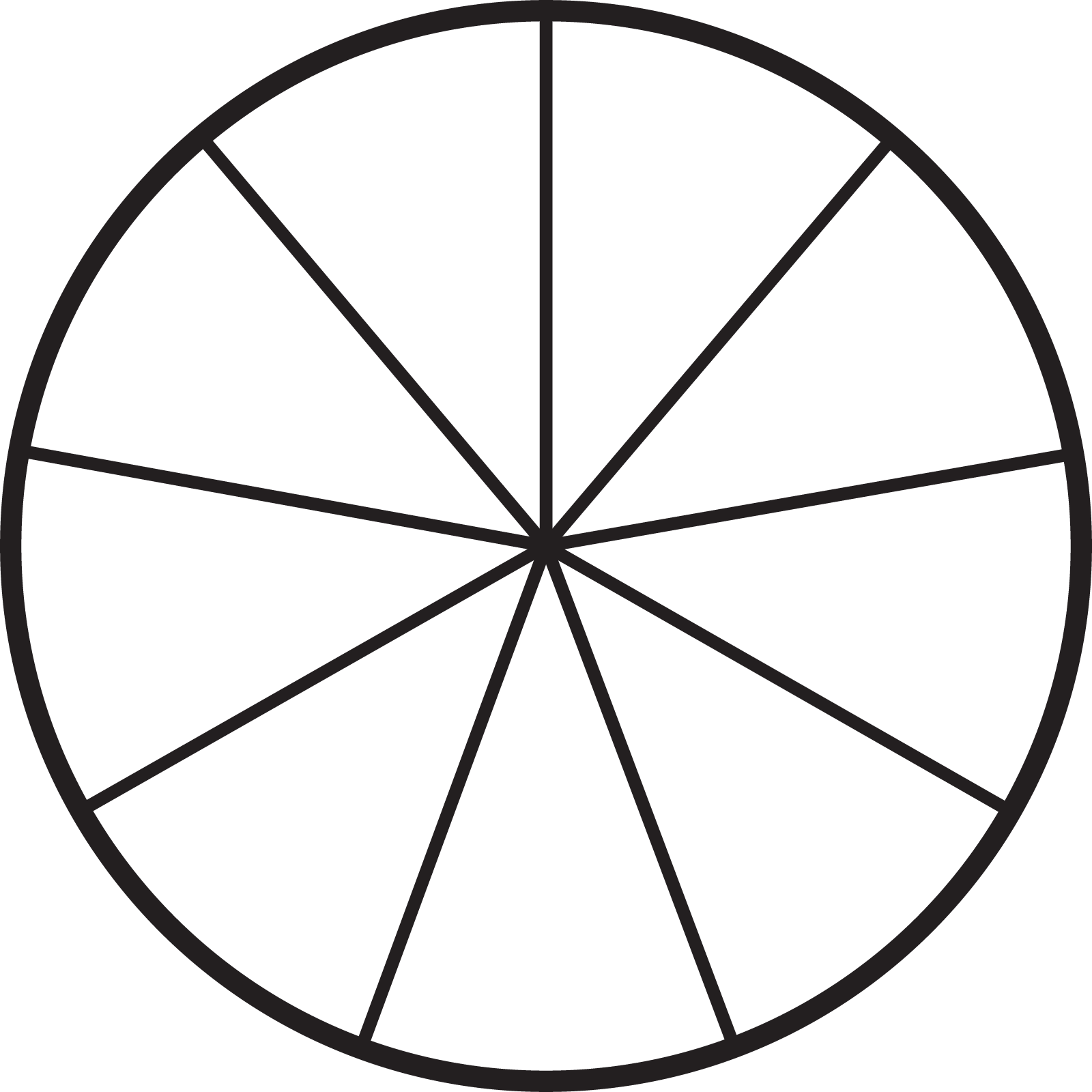
Which partitioned shape can have each of its parts represented by the fraction \(\Large\frac{1}{5}\)?
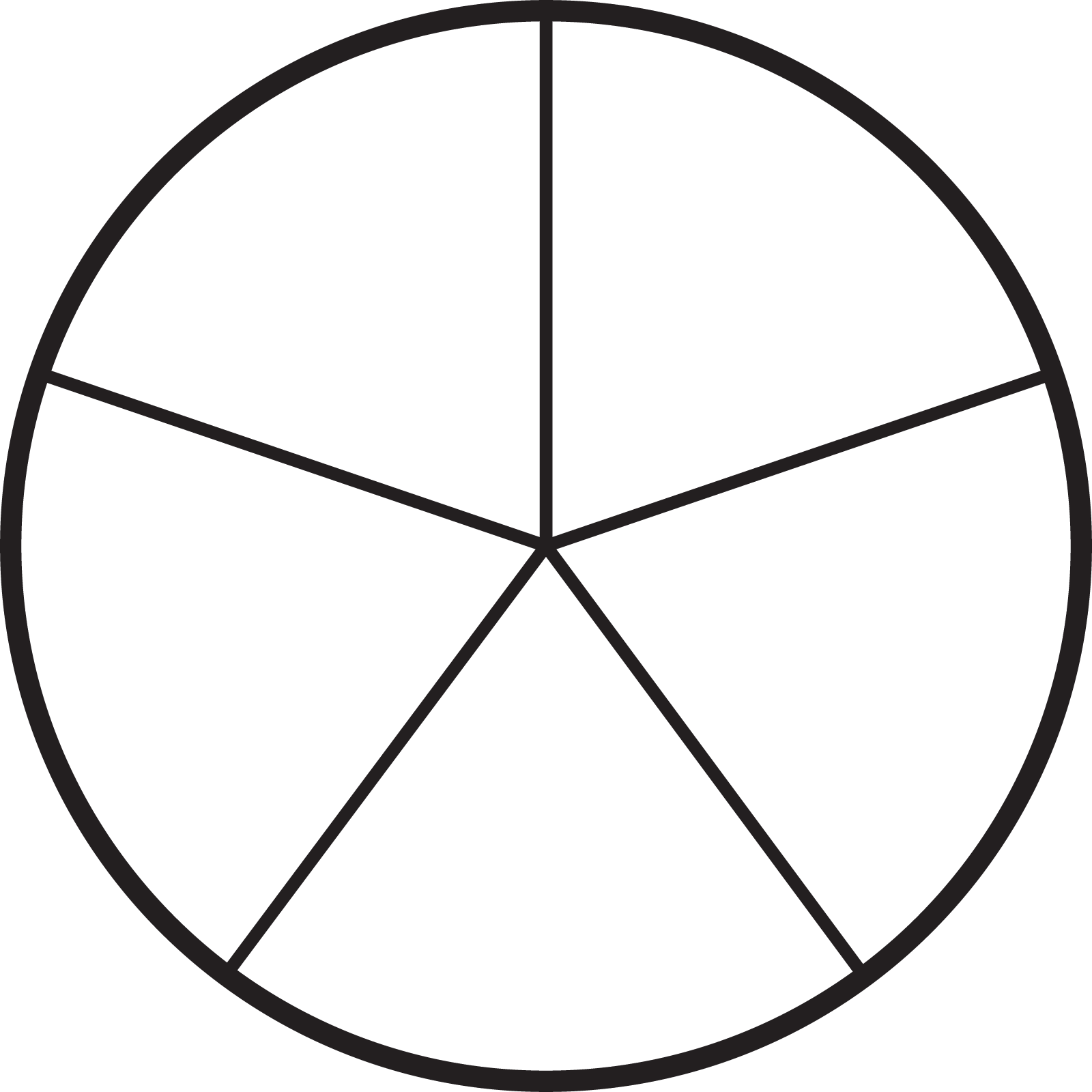
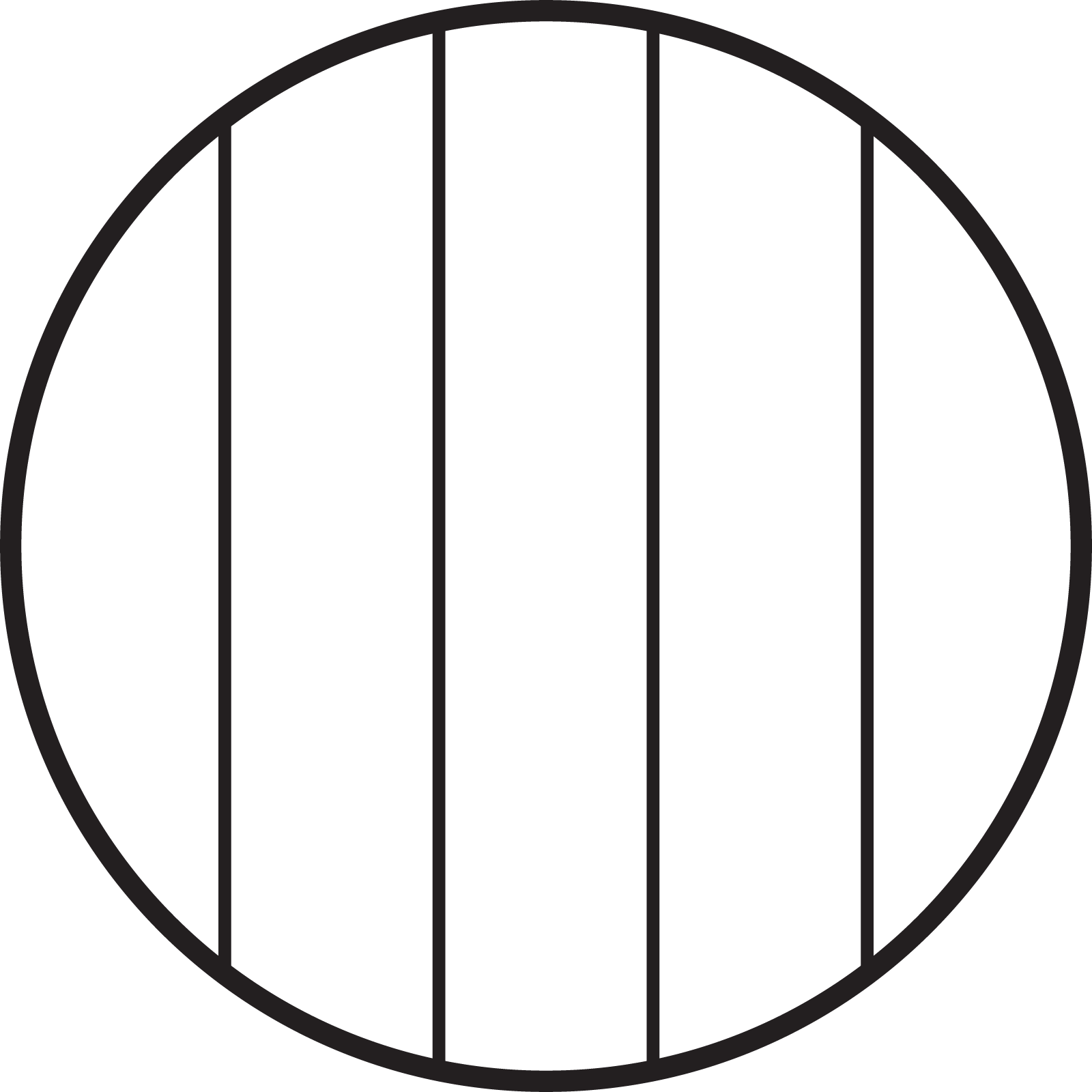
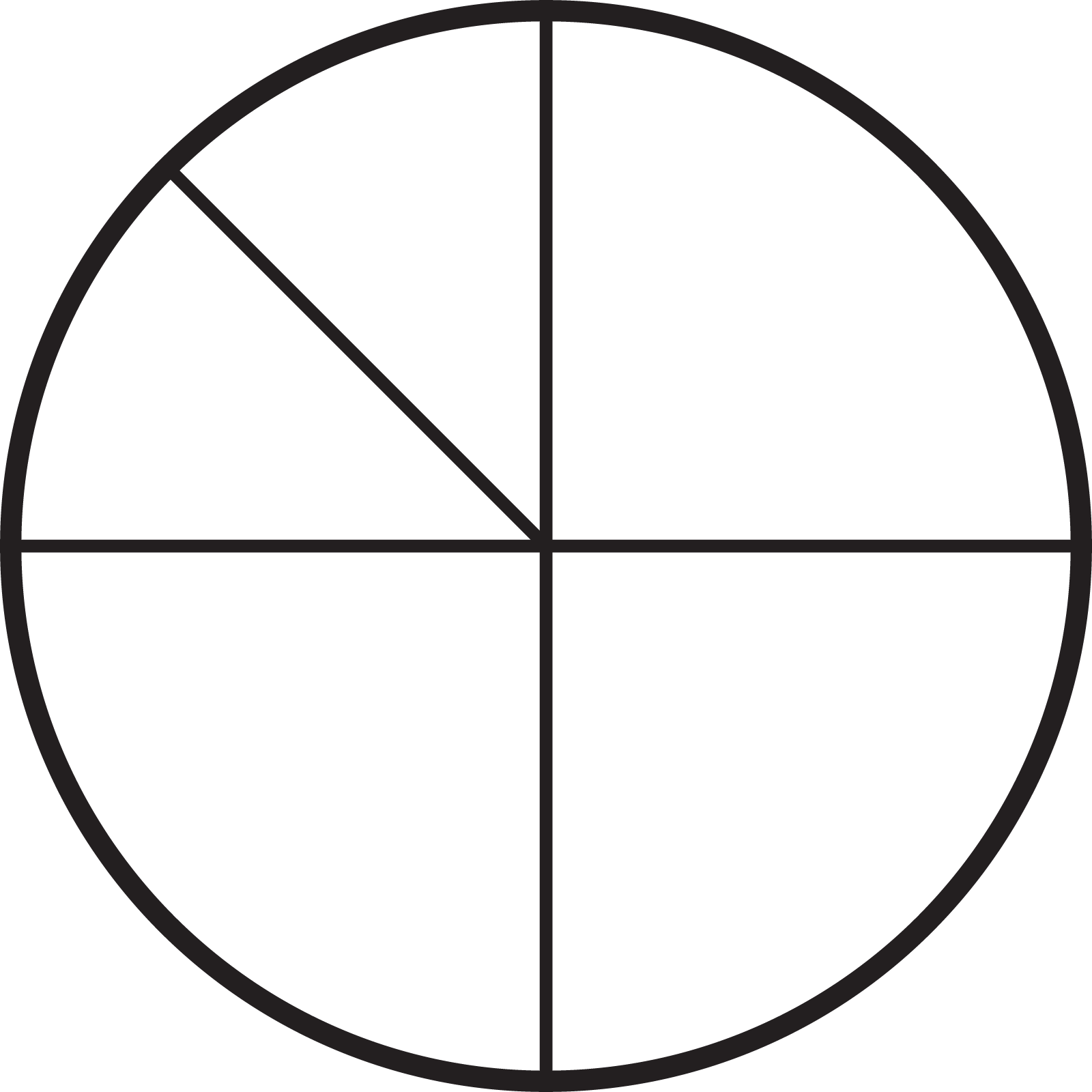
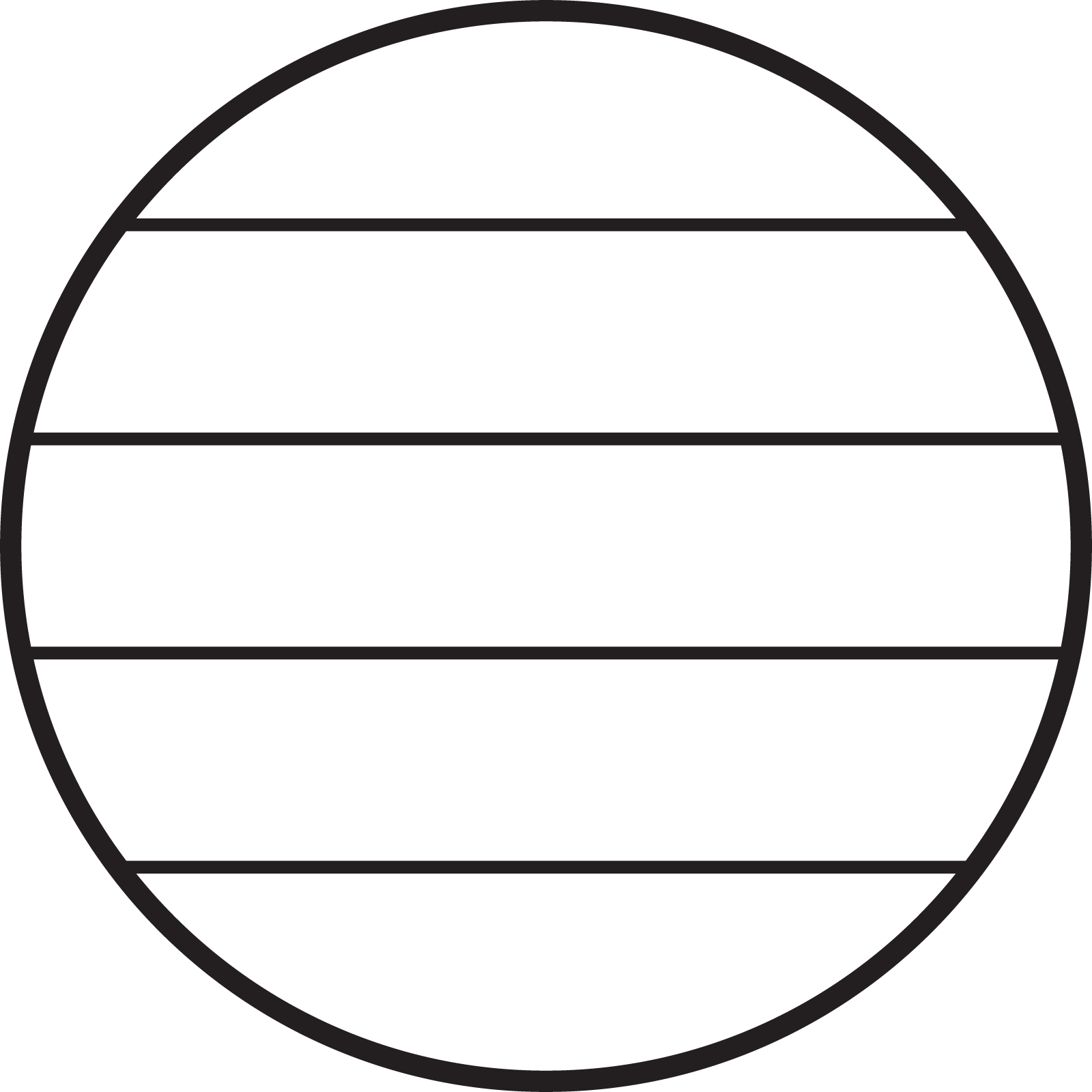
That’s right! This circle has been partitioned into 5 equal parts. Each part can be represented by \(\Large\frac{1}{5}\) .
Sorry, that is not right! The 5 parts in this circle are not equal.
Sorry, that is not right! 3 of the parts are equal, but the other 2 parts are not equal.
Sorry, that is not right! There are 5 parts, but they are not all the same size.
Madelyn drew another diagram for her bike training. Each equal part she drew could be represented by the fraction \(\Large\frac{1}{12}\) . How many equal parts did she partition her rectangle into?
- 12
- 11
- 10
- 9
That’s right! A shape must be partitioned into 12 equal parts to have each part represented by the fraction \(\Large\frac{1}{12}\) .
Sorry, that is not right! Madelyn's shape must have 12 equal parts, not 11.
Sorry, that is not right! \(\Large\frac{1}{10}\) would represent each part of a shape that is partitioned into 10 parts.
Sorry, that is not right! \(\Large\frac{1}{9}\) would represent each part of a shape that is partitioned into 9 parts.
Madelyn's cousin also drew another rectangle for her bike training. If each equal part of her rectangle can be represented by the fraction \(\Large\frac{1}{15}\) , how many equal parts did she partition her shape into?
- 1
- 15
- 16
- 14
Sorry, that is not right! A shape cannot be partitioned into 1 part.
That's right! A shape that is partitioned into 15 equal parts can have its parts represented by the fraction \(\Large\frac{1}{15}\) .
Sorry, that is not right! \(\Large\frac{1}{16}\) would represent each part of a shape that has been partitioned into 16 equal parts.
Sorry, that is not right! \(\Large\frac{1}{14}\) would represent each part of a shape that has been partitioned into 14 equal parts.
Madelyn and her cousin are ready for their bike race. There are 6 lanes on the bike track. What fraction represents each lane of the bike track?
- \(\Large\frac{6}{1}\)
- \(\Large\frac{6}{6}\)
- \(\Large\frac{1}{6}\)
- \(\Large\frac{3}{6}\)
Sorry, that is not right! \(\Large\frac{6}{1}\) would represent 6 whole shapes.
Sorry, that is not right! \(\Large\frac{6}{6}\) would represent all 6 of the equal parts of a shape.
That’s right! A shape that is partitioned into 6 equal parts can have its parts represented by the fraction \(\Large\frac{1}{6}\).
Sorry, that is not right! \(\Large\frac{3}{6}\) would represent 3 of the 6 equal parts.
Which partitioned shape has equal parts that can each be represented by the fraction \(\Large\frac{1}{8}\) ?
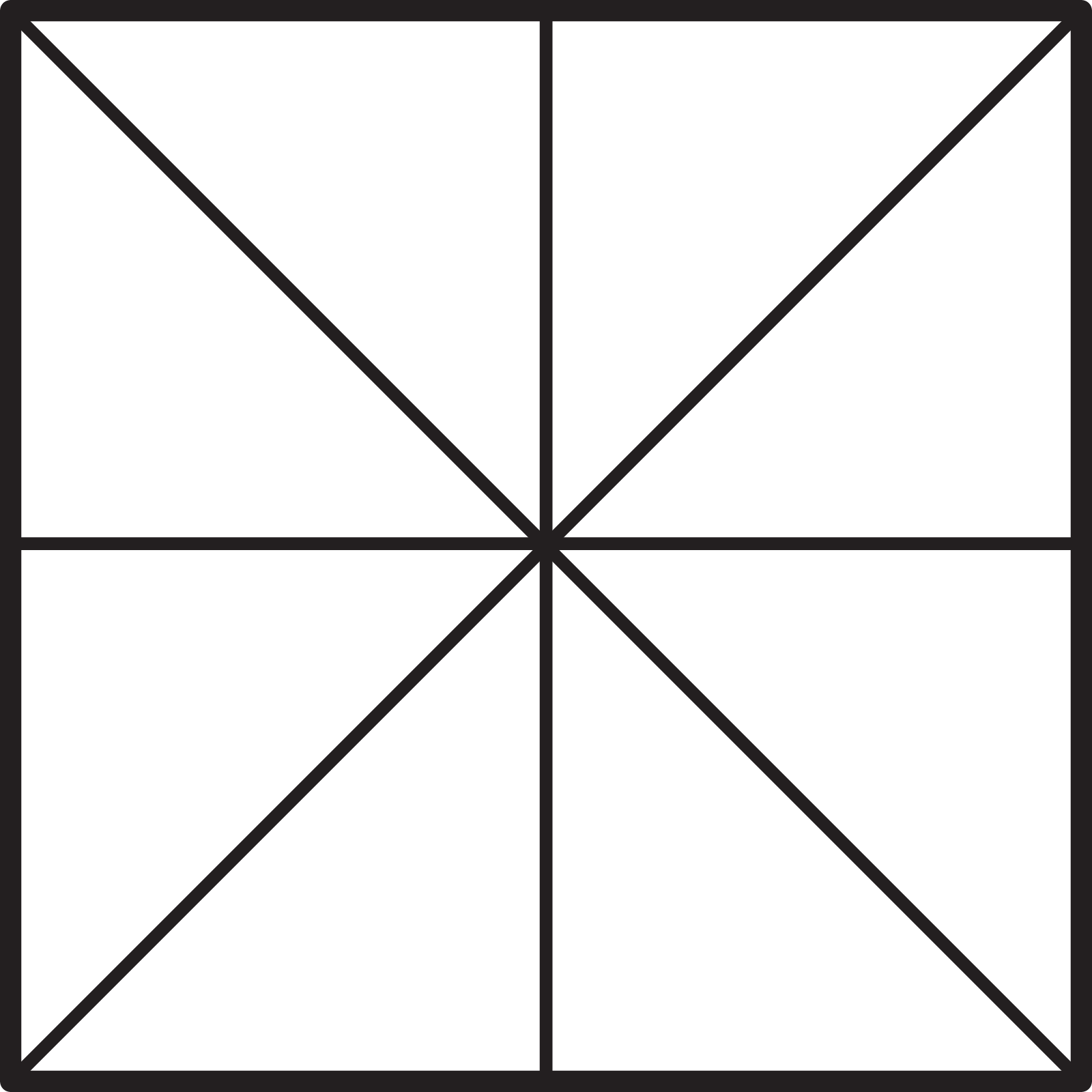
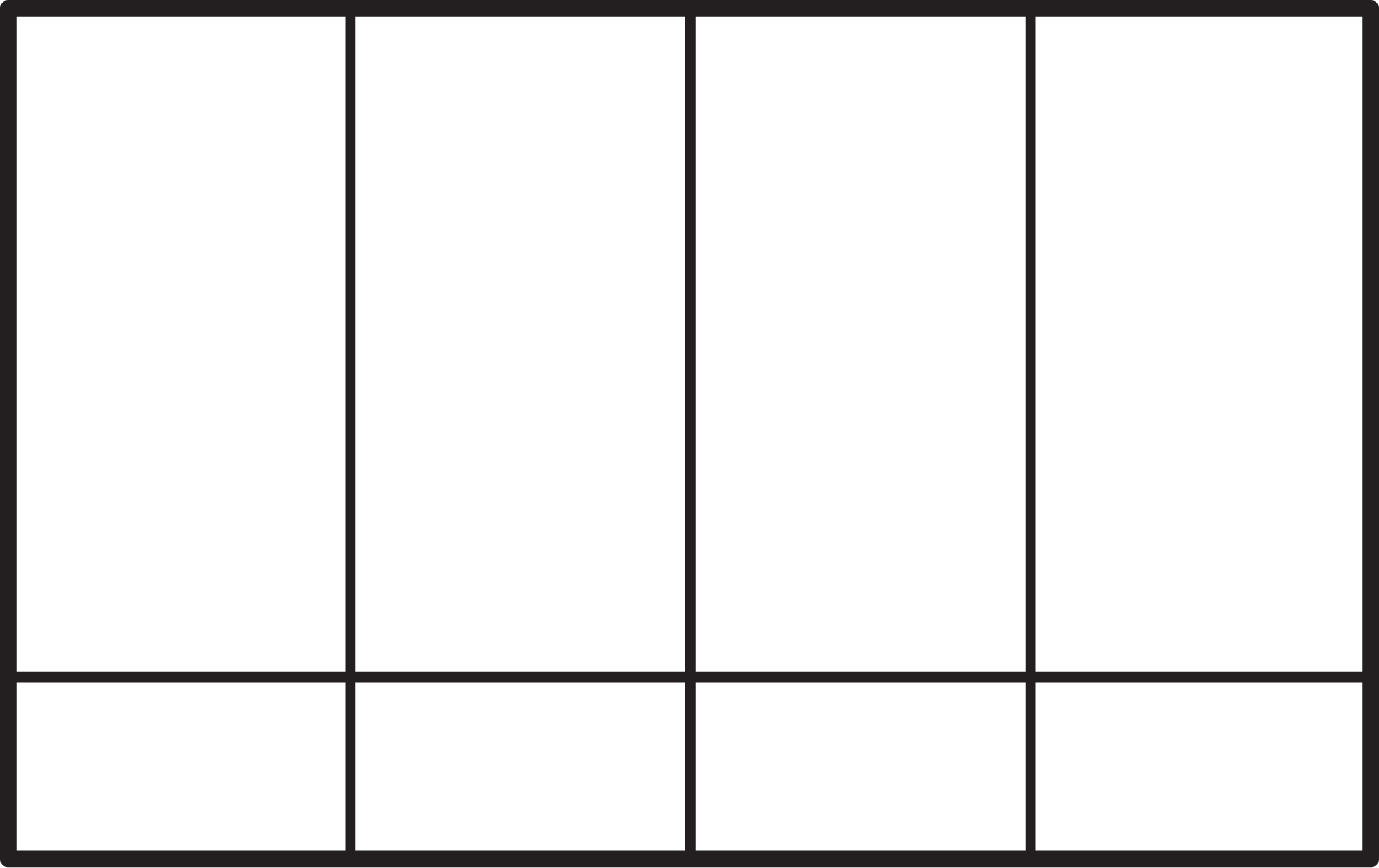
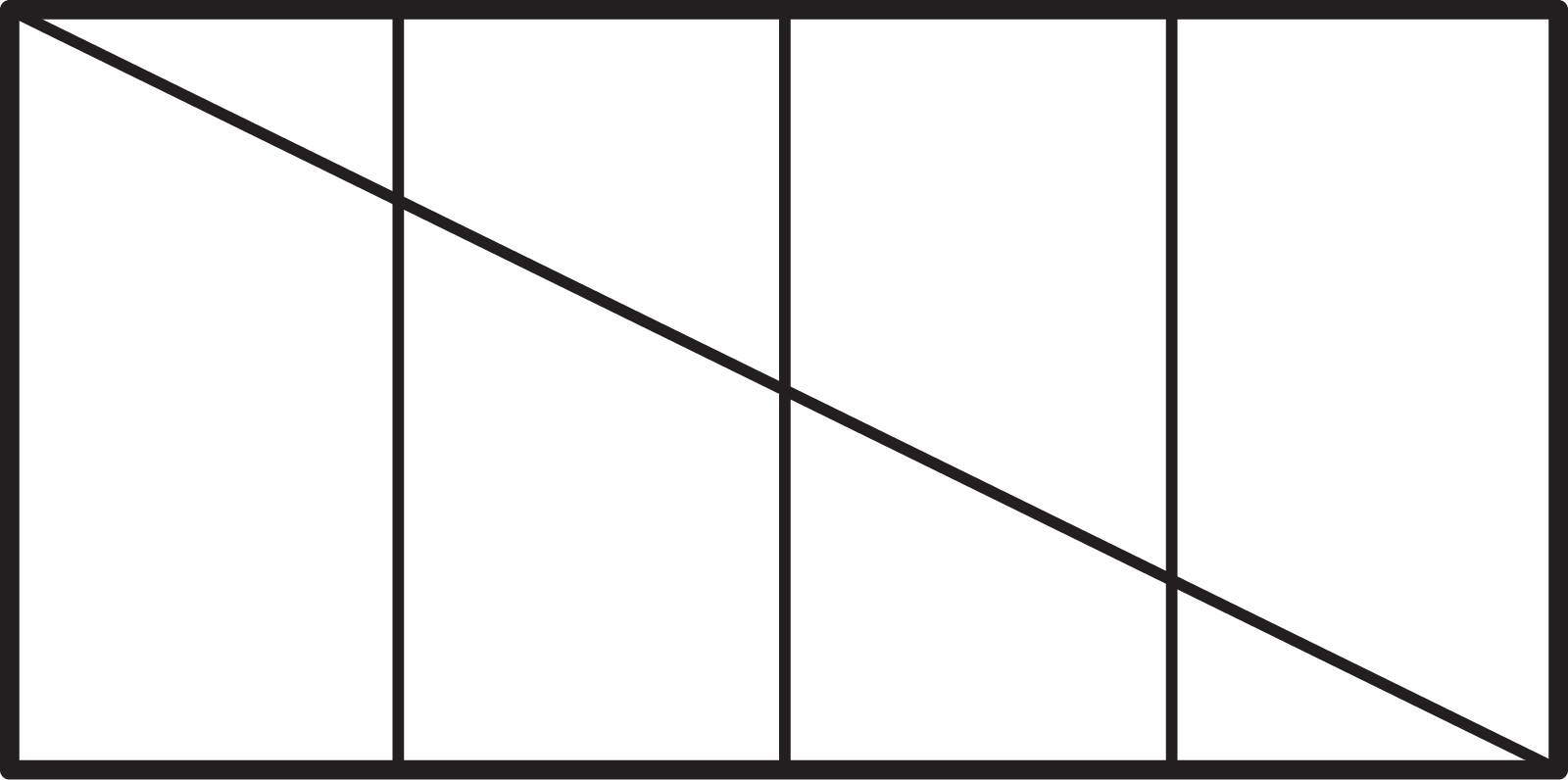
That’s right! This shape has a total of 8 equal parts. Each part can be represented by the fraction \(\Large\frac{1}{8}\) .
Sorry, that is not right! This shape is partitioned into 9 equal parts, not 8.
Sorry, that is not right! This shape is portioned into 8 parts, but they are not the exact same size.
Sorry, that is not right! The parts of this shape are not all the exact same size.
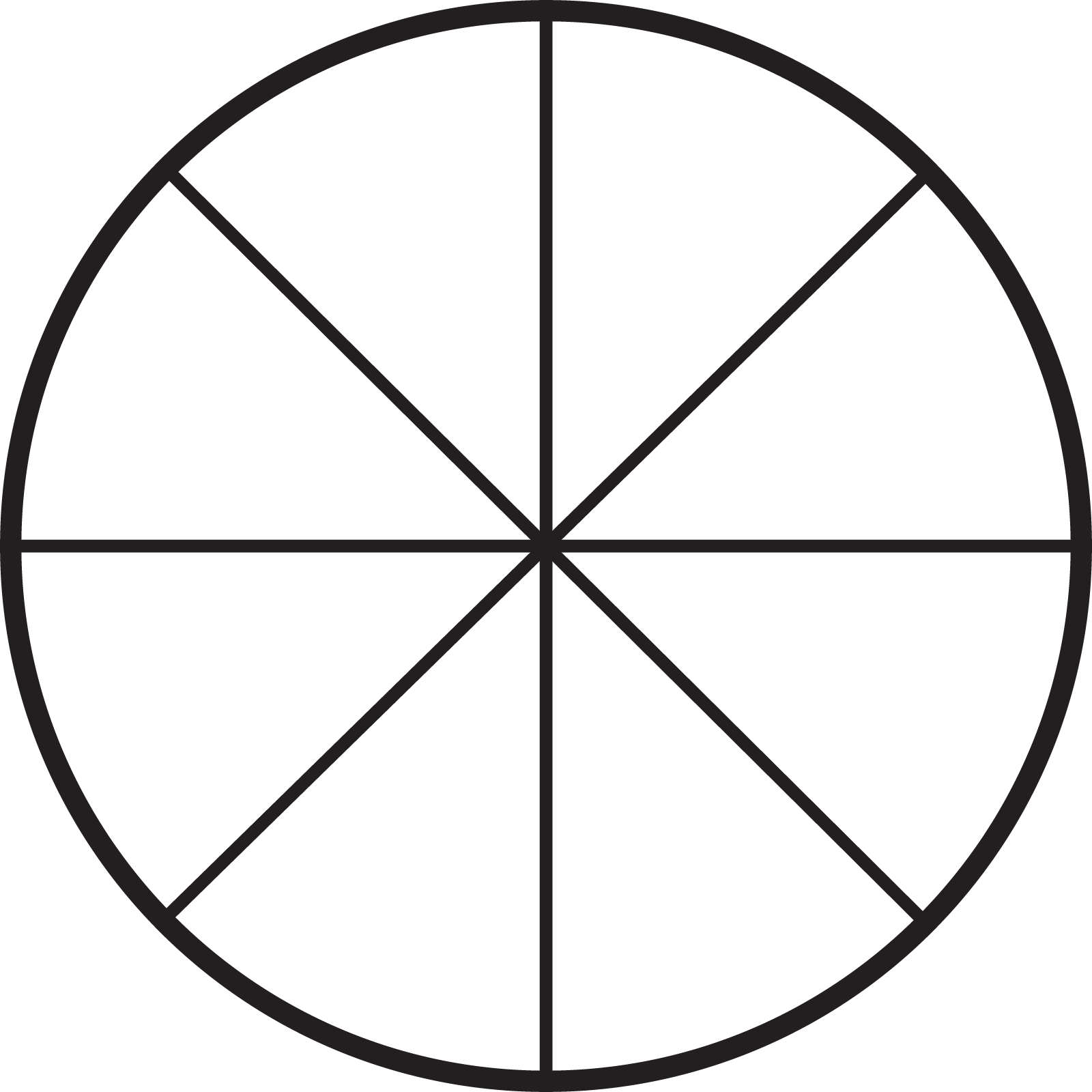
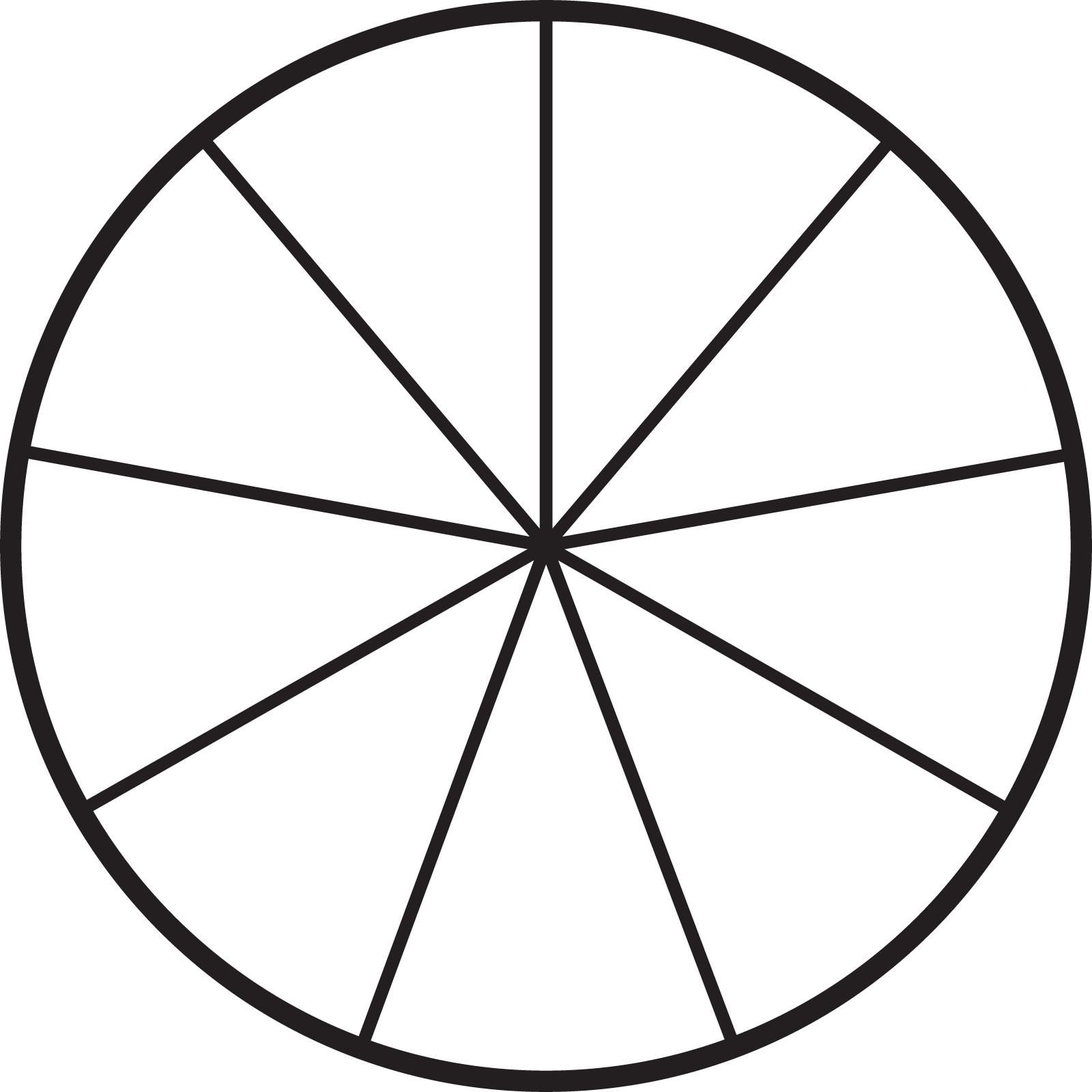
Which shape has been partitioned into 10 equal parts?
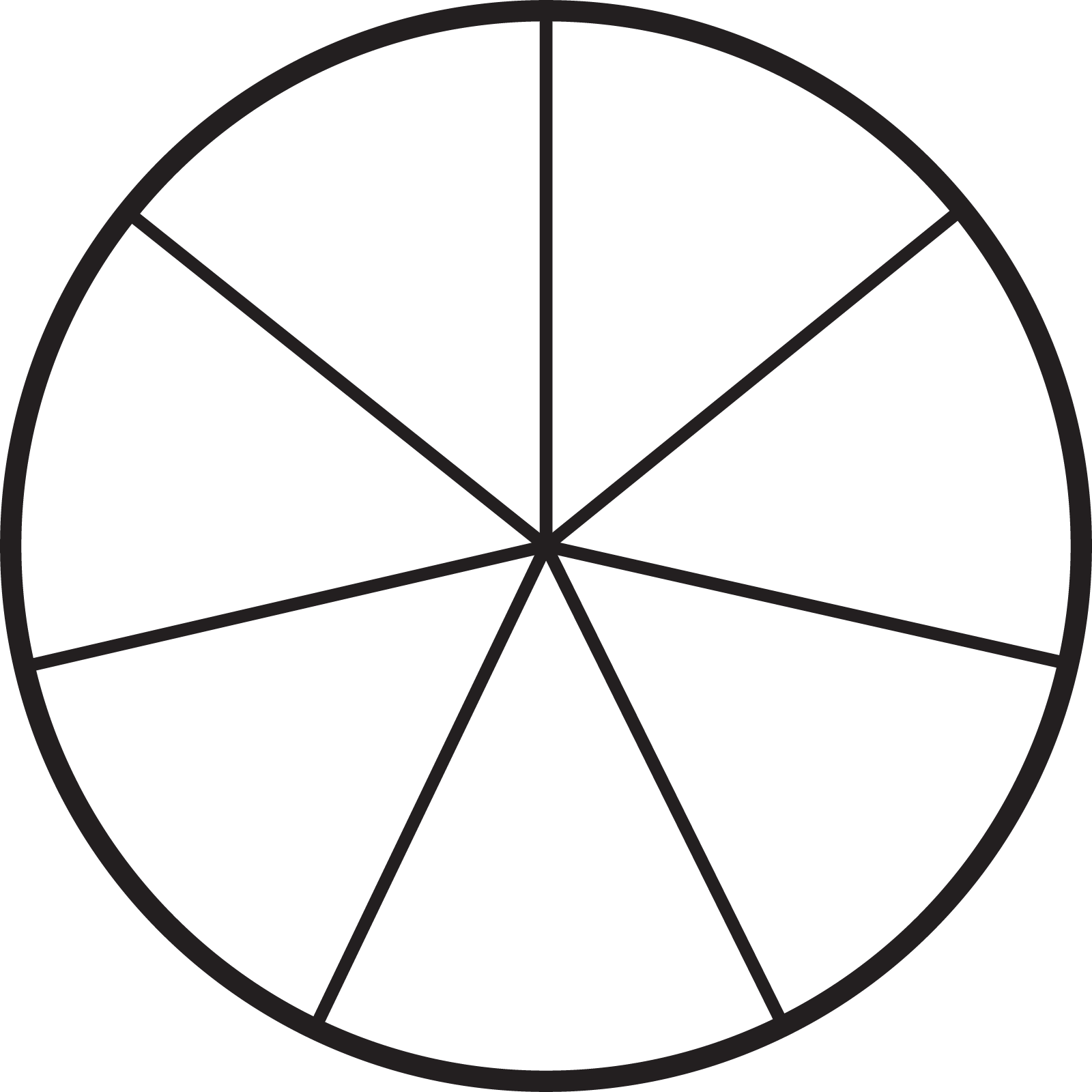
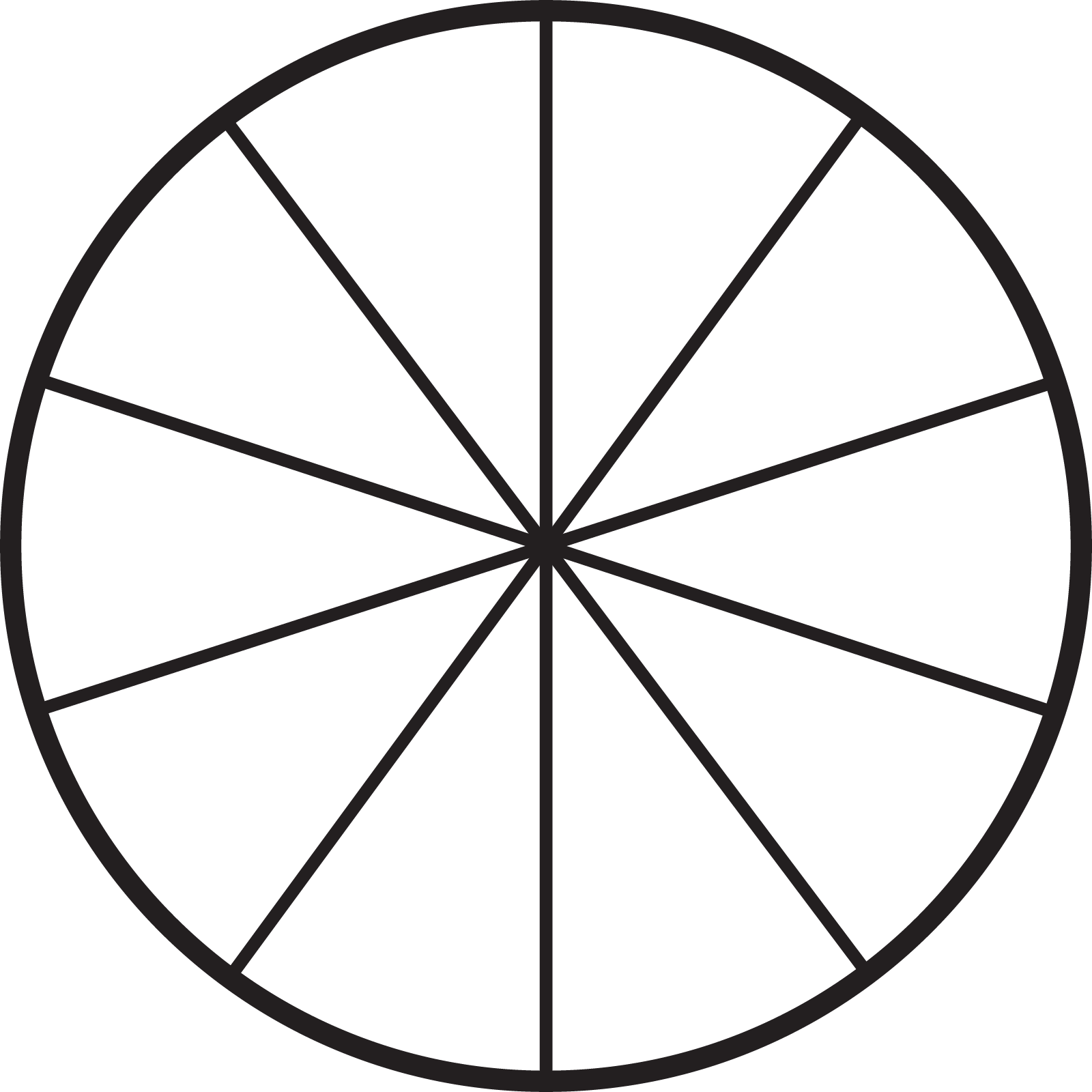
Sorry, that is not right! This shape is partitioned into 7 equal parts.
Sorry, that is not right! This shape is partitioned into 8 equal parts.
Sorry, that is not right! This shape is partitioned into 9 equal parts.
That’s right! This shape is partitioned into 10 equal parts.
Summary
Questions answered correctly:
Questions answered incorrectly: