Let’s Learn!
How do we describe shapes?
Goal:
Goal:

Think About It!
Goal: Recognize how to identify a shape by its sides and the types of angles it has.
Logan will start his shape hunt in Beijing, China. He has a list of all of the shapes he wants to find across the world. Check it out below!

Logan identifying shapes on his shape hunt around the world.
How can Logan identify each shape when he goes on his hunt? He can describe each shape! This is called classifying. You can classify a shape by the number of sides it has and the types of angles it has. Logan wants to look for triangles and quadrilaterals. Triangles are polygons that have 3 sides and 3 angles. Quadrilaterals are polygons that have 4 sides and 4 angles.
Click each tab to review each type of triangle!
Scalene Triangle
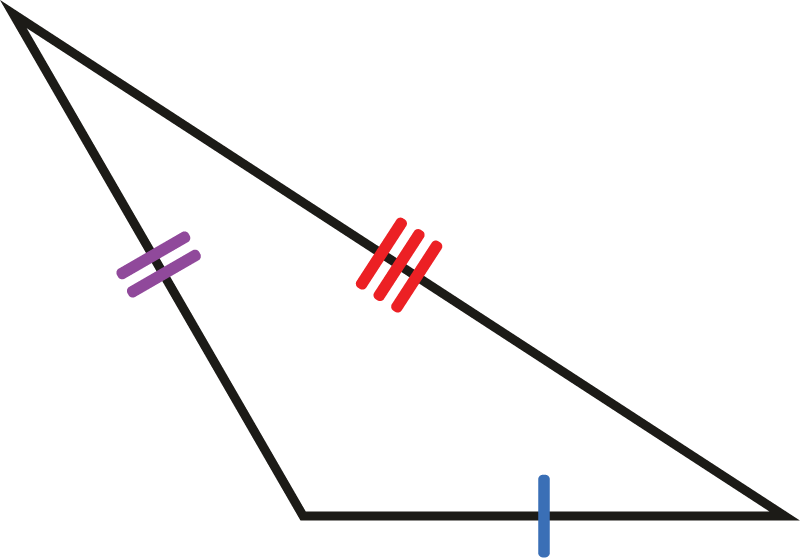
A scalene triangle has 3 sides that are all different lengths. Each side of this triangle has a different number of hash marks. That means each side is a different length!
Equilateral Triangle
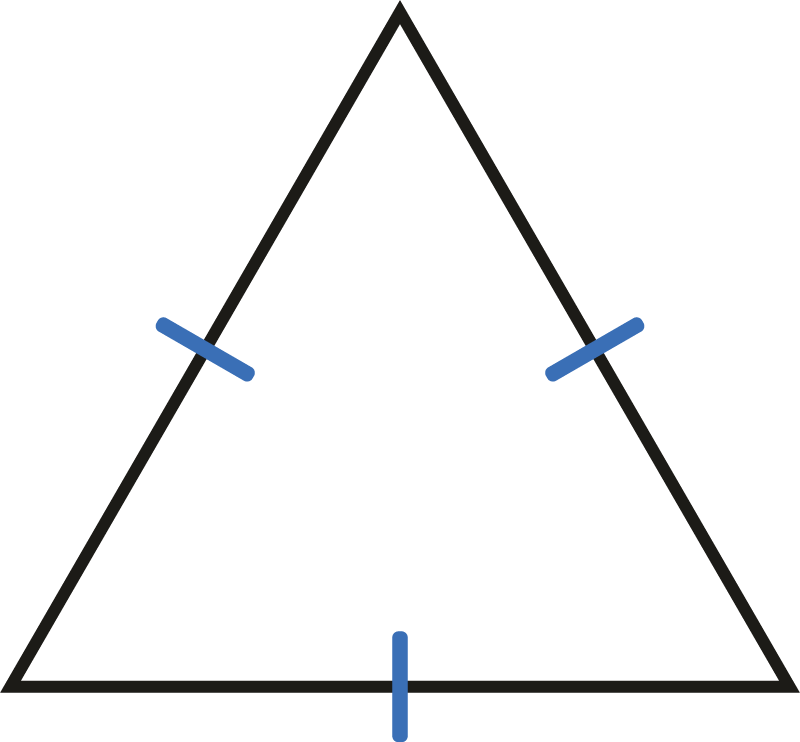
An equilateral triangle has three sides that are the same length. Each side of this triangle has the same number of hash marks. That means each side is the same length!
Isosceles Triangle
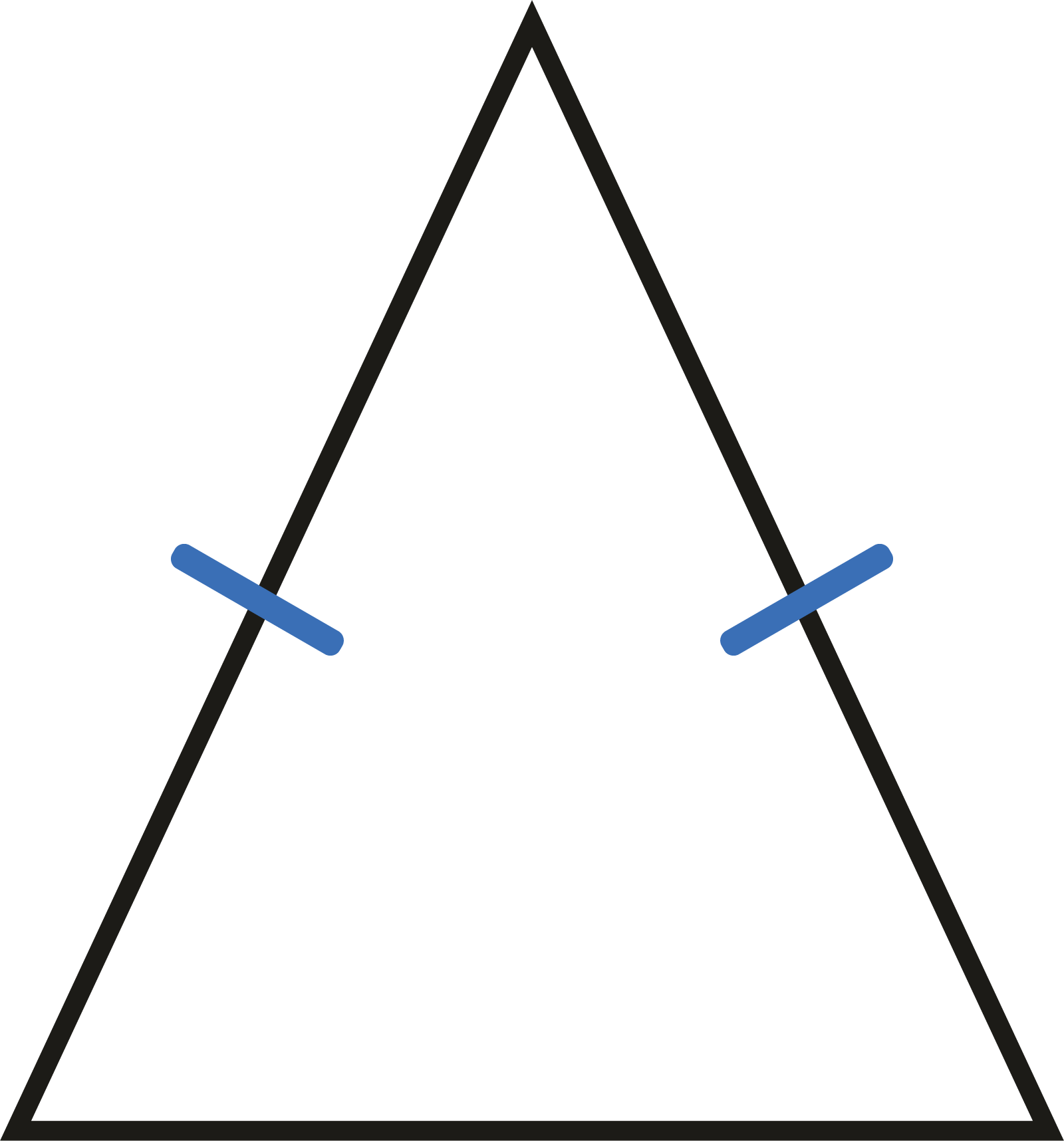
An isosceles triangle has two sides that are the same length. Two of the sides of this triangle have the same number of hash marks. That means they are the same length!
Right Triangle
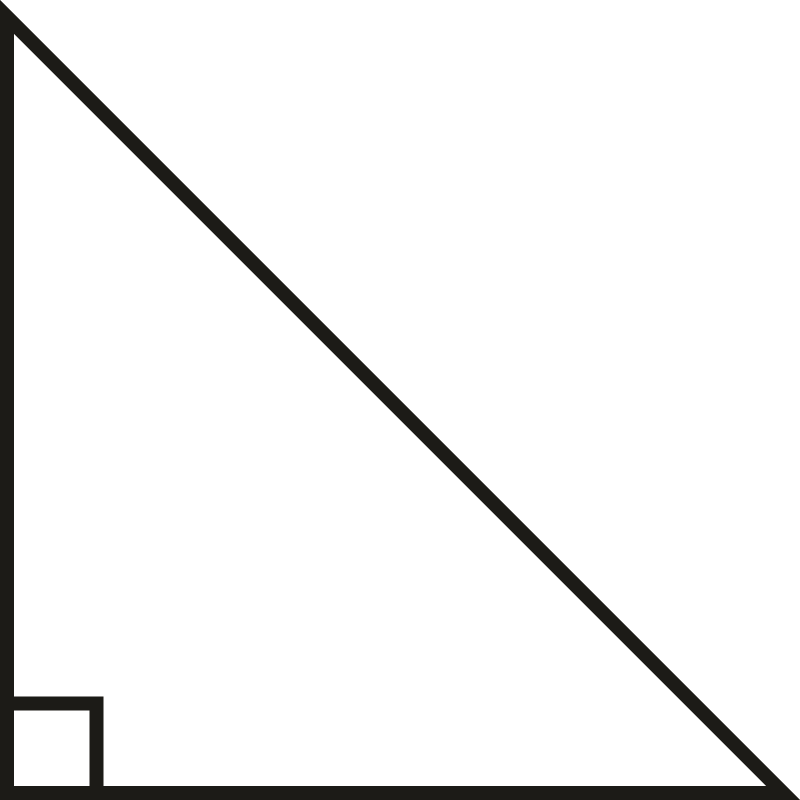
A right triangle has one angle that is 90°. We use a small box to show a right angle. We do not look at the lengths of the sides to classify a right triangle.
Acute Triangle
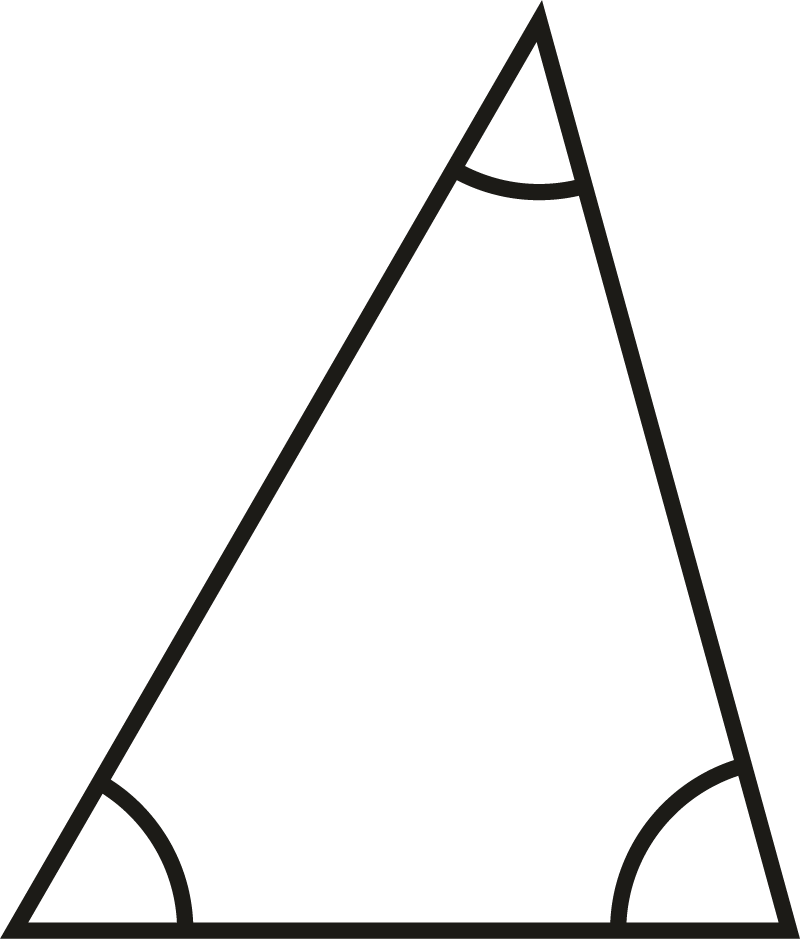
An acute triangle is a triangle that has angles that are all less than 90°. We do not look at the lengths of the sides to classify an acute triangle.
Obtuse Triangle
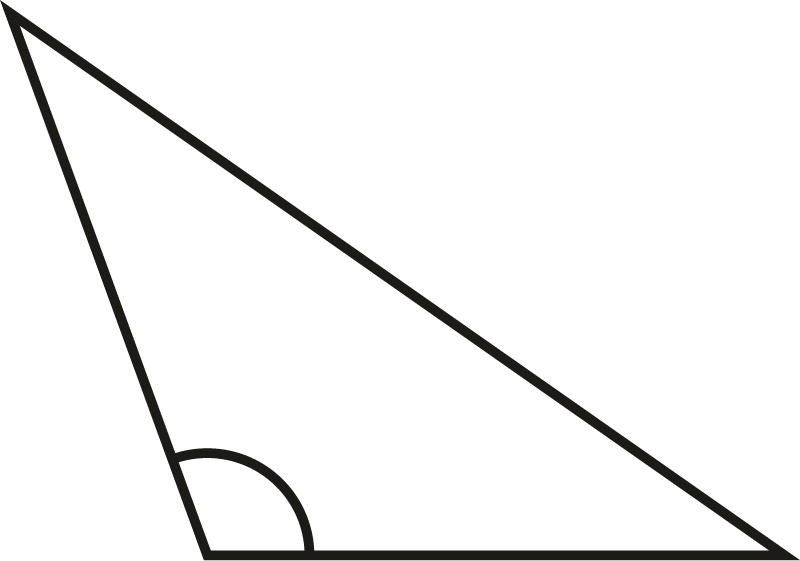
An obtuse triangle is a triangle that has one angle that is greater than 90°. We do not look at the lengths of the sides to classify an obtuse triangle.
Click each row to review each type of quadrilateral!
Trapezoid
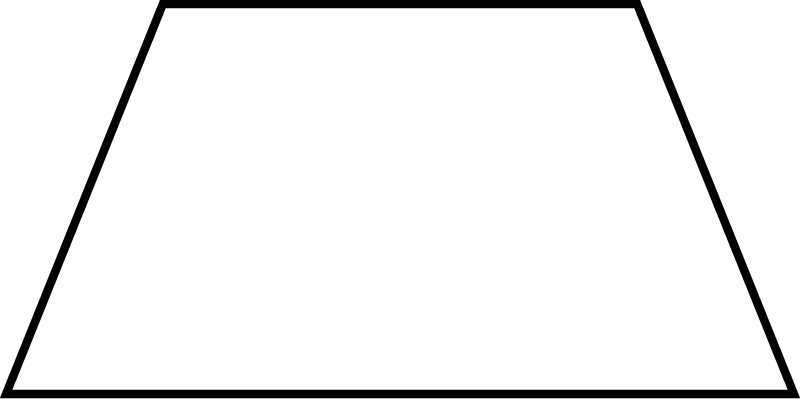
A trapezoid is a quadrilateral that has two parallel sides.
Parallelogram
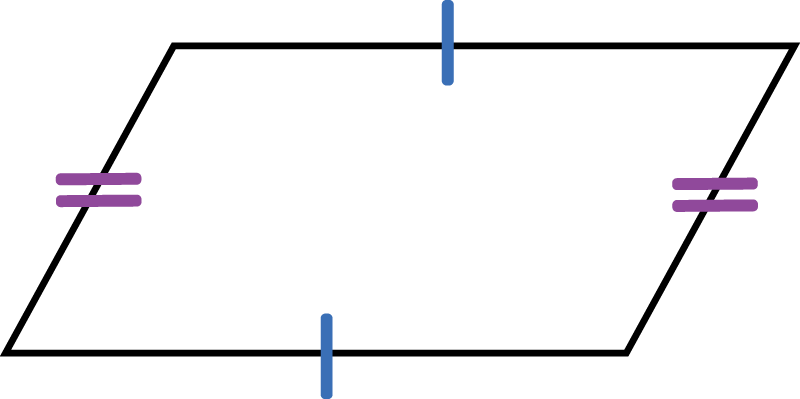
A parallelogram is a quadrilateral that has two sets of sides that are parallel. Each set of sides also has the same length, as the hash marks show.
Rectangle
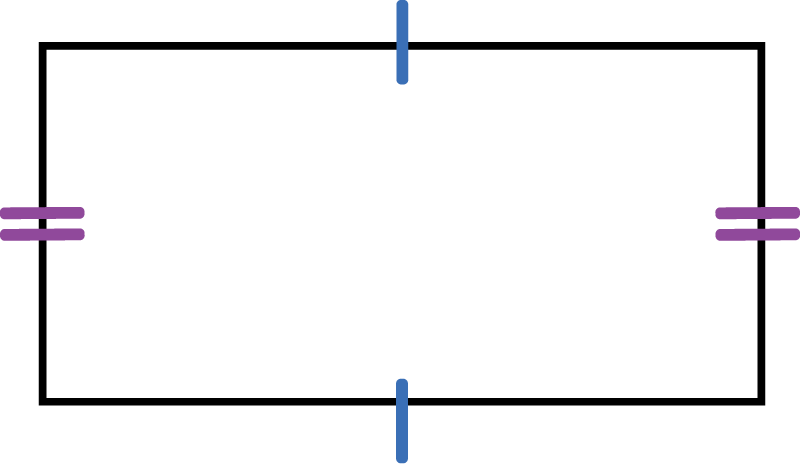
A rectangle is a quadrilateral that has two sets of sides that are parallel. Each set of sides also has the same length, as the hash marks show. All four angles are right angles.
Square
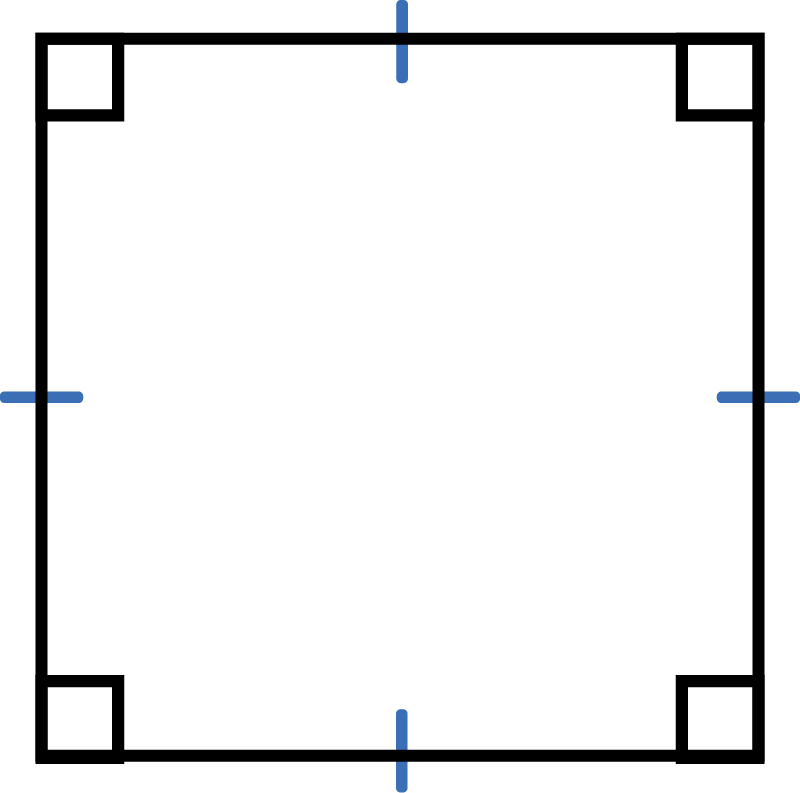
A square is a quadrilateral that has two sets of sides that are parallel. All of the sides are the same length, as the hash marks show. All four angles are right angles.
Rhombus
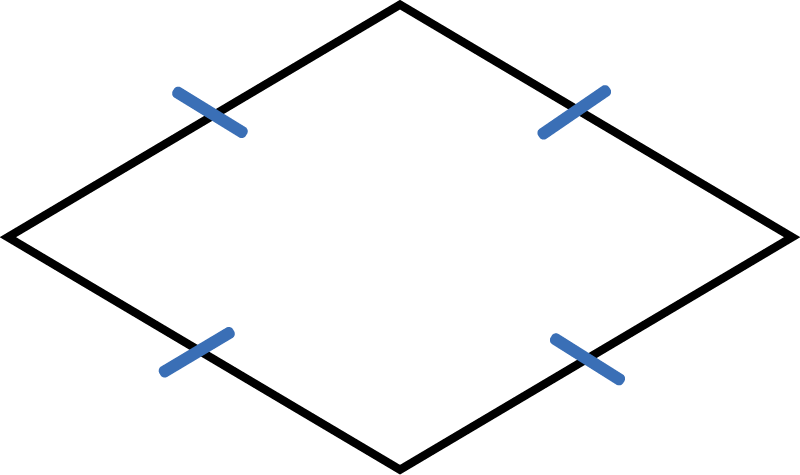
A rhombus is a quadrilateral that has 2 sets of parallel sides. All of the sides are the same length. None of the angles are right angles. You may have seen a rhombus called a diamond. That is because when we think of a diamond, we think of a rhombus-shaped stone!
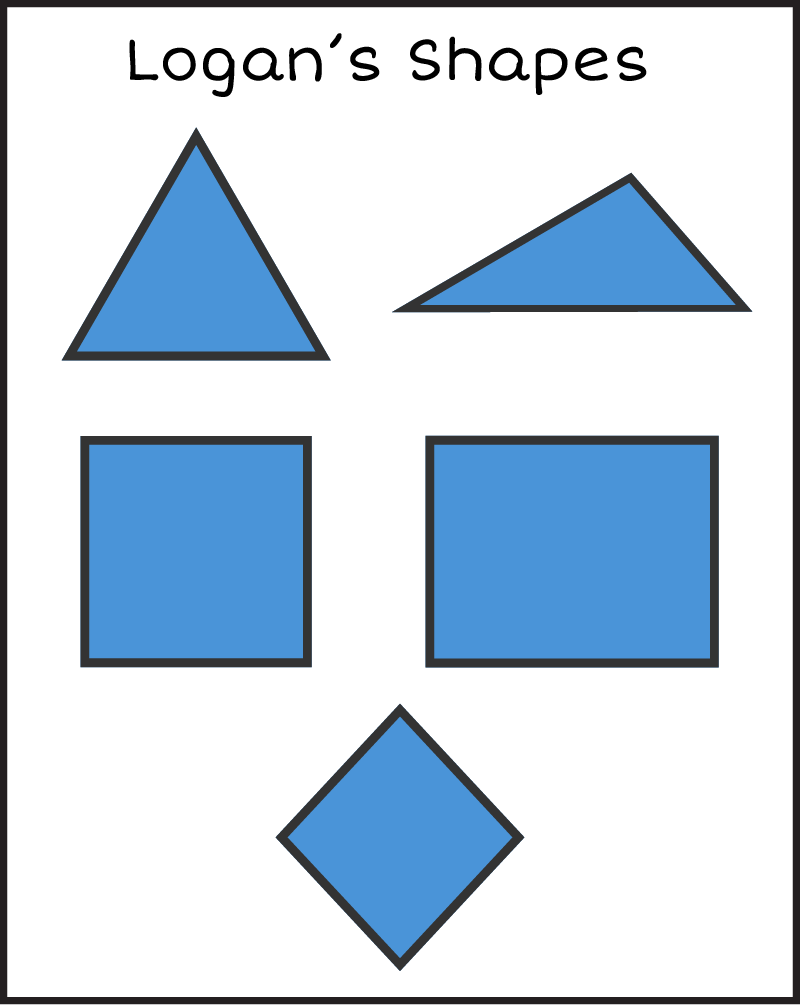
A acute triangle, obtuse triangle, a square, a rectangle and a rhombus.
Logan’s list does not include every shape you reviewed. He wants to find an acute triangle, an obtuse triangle, a square, a rectangle, and a rhombus in each city he visits. You will help Logan complete his hunt by describing each of these shapes. When you describe a shape, you will identify it as a triangle or a quadrilateral. Then you will decide which type of triangle or quadrilateral it is.
It is time for Logan to hunt for shapes in Beijing! Click each slide below to help him hunt.

This is the Forbidden City. Do you see any triangles or quadrilaterals? Logan sees this shape!

Is this shape a triangle or a quadrilateral? Click the Show Me button to see!
This shape is a quadrilateral. It has four sides.
Question
Can you describe the shape? Look at the sides and the angles.
All of the sides of this shape have the same length. The shape has four right angles. It is a square!
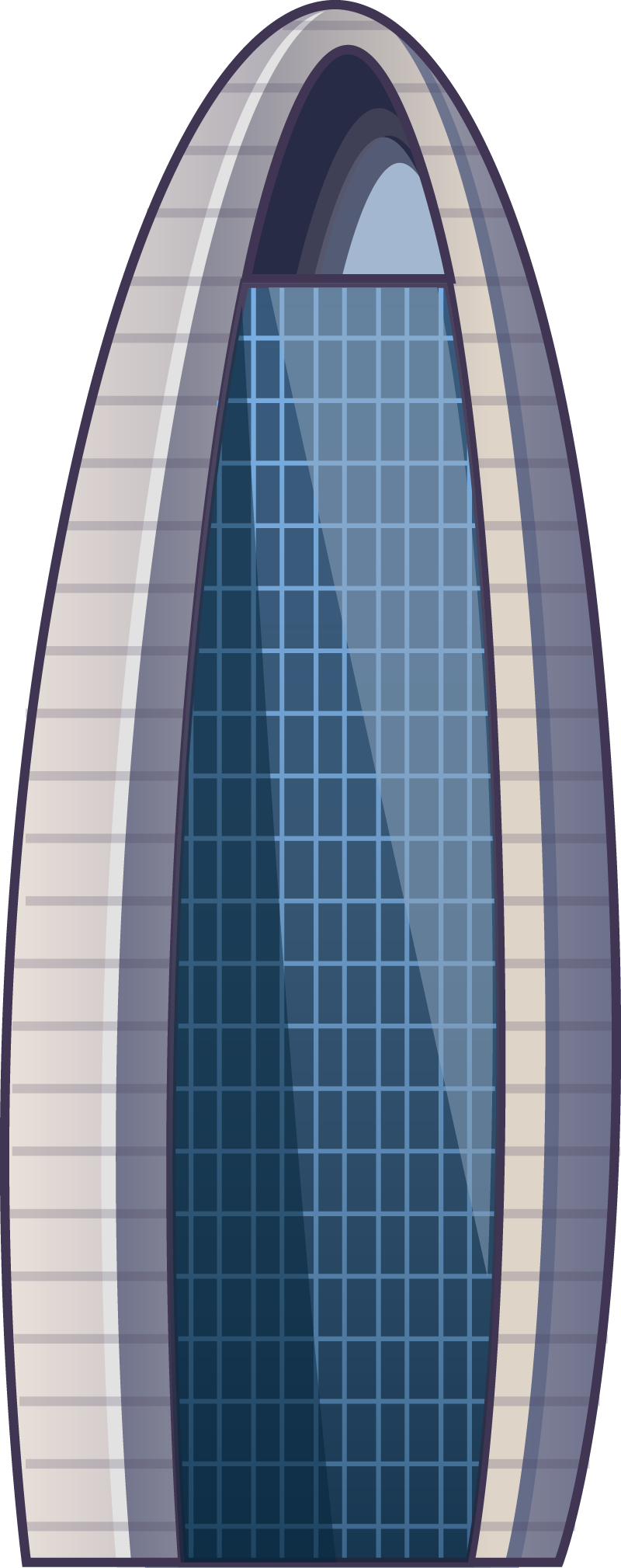
This is the People’s Daily newspaper building. Do you see any triangles or quadrilaterals? Logan sees this shape!
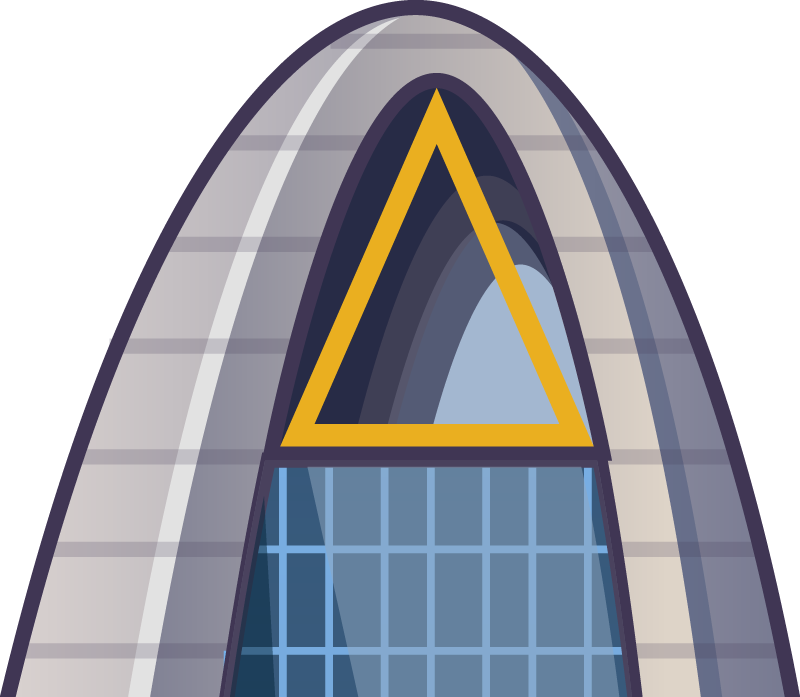
Is this shape a triangle or a quadrilateral? Click the Show Me button to see!
This shape is a triangle. It has three sides.
Question
Can you describe the shape? Look at the sides and the angles.
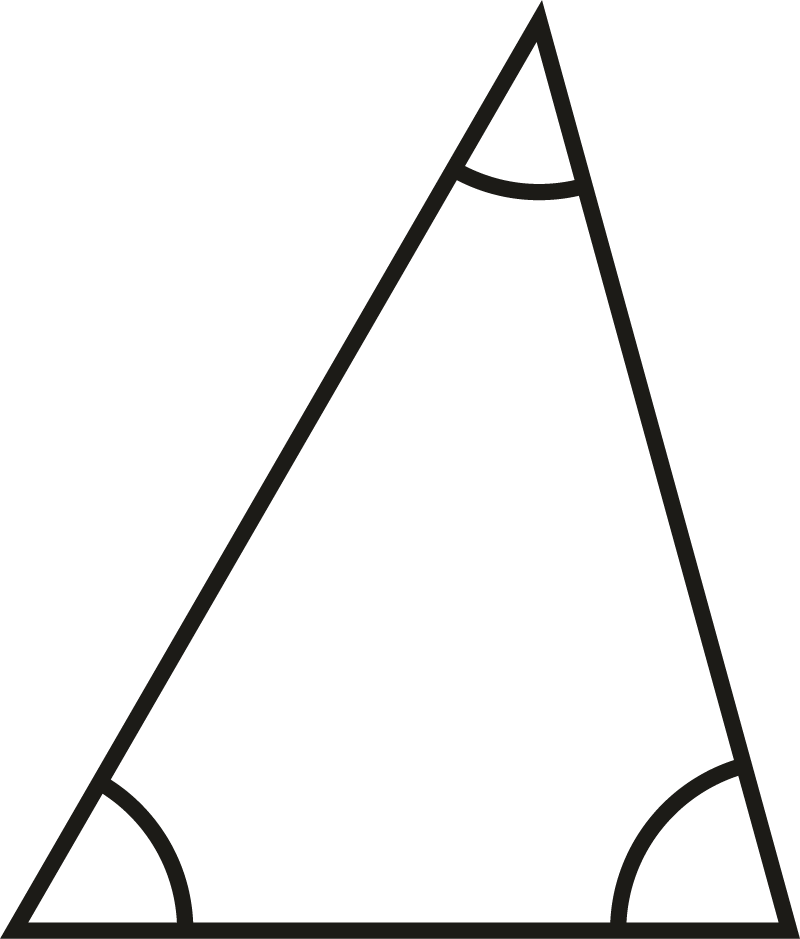
This shape has angles that are all less than 90°. It is an acute triangle!
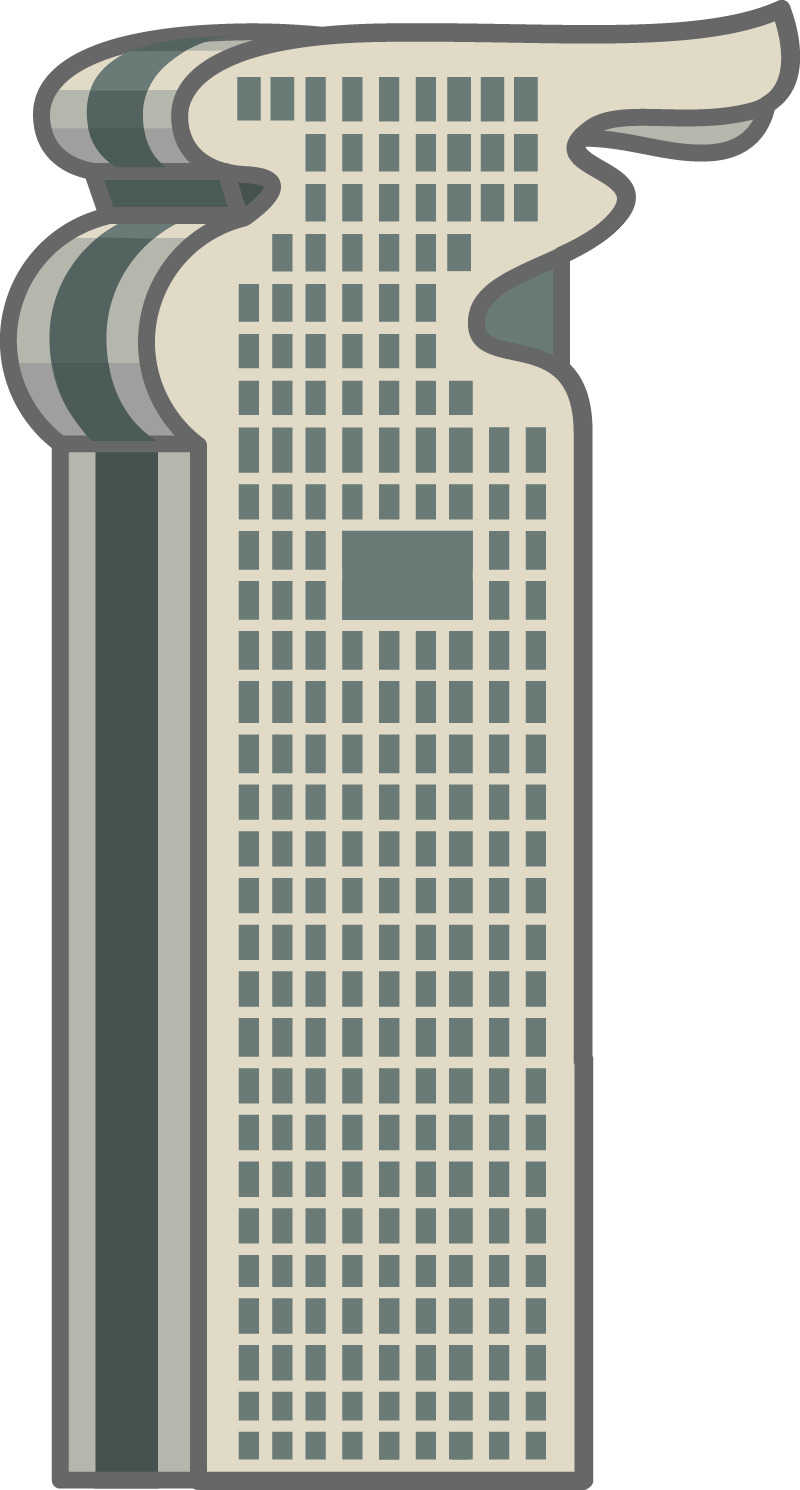
This is Pangu Plaza. Do you see any triangles or quadrilaterals? Logan sees this shape!

Is this shape a triangle or a quadrilateral? Click the Show Me button to see!
This shape is a quadrilateral. It has four sides.
Question
Can you describe the shape? Look at the sides and the angles.
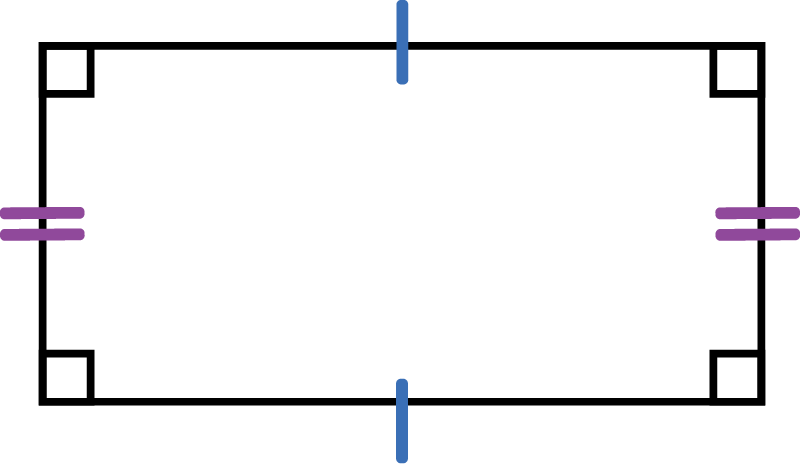
This shape has two sets of sides that have the same lengths. This shape has four right angles. It is a rectangle!

This is a temple in Beijing, China. Do you see any triangles or quadrilaterals? Logan sees this shape!

Is this shape a triangle or a quadrilateral? Click the Show Me button to see!
This shape is a triangle. It has three sides.
Question
Can you describe the shape? Look at the sides and the angles.
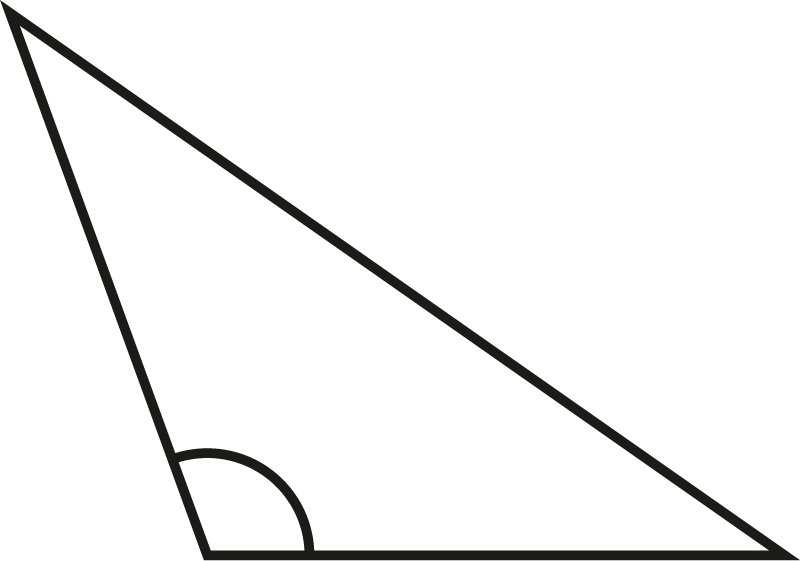
This shape has one angle that is greater than 90°. It is an obtuse triangle!
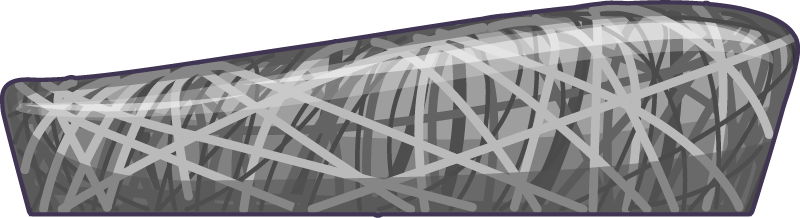
This is the Bird’s Nest, the national stadium. Do you see any triangles or quadrilaterals? Logan sees this shape!

Is this shape a triangle or a quadrilateral? Click the Show Me button to see!
This shape is a quadrilateral. It has four sides.
Question
Can you describe the shape? Look at the sides and the angles.
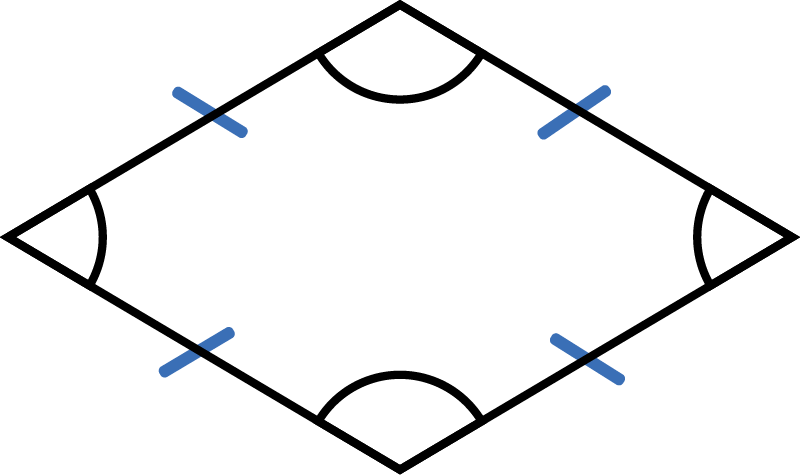
All of the sides of this shape have the same length. None of the angles are right angles. It is a rhombus!
Question
How do we describe a shape?
We look at the number of sides and the types of angles it has to describe a shape.