Let’s Learn!
Where are denominators, and what do they tell us?
Goal:
Goal:

The first thing every superhero at the Hero Academy learns is the parts of a fraction. Let’s review the parts of a fraction.


The top number of a fraction is called the numerator. The bottom number is called the denominator. Take a look!
Wait until you see our superpowers go to work on fractions! But first, let’s take a closer look at fractions. Click each image to see a fraction model up close. A fraction model is a picture representation of the parts of a fraction.
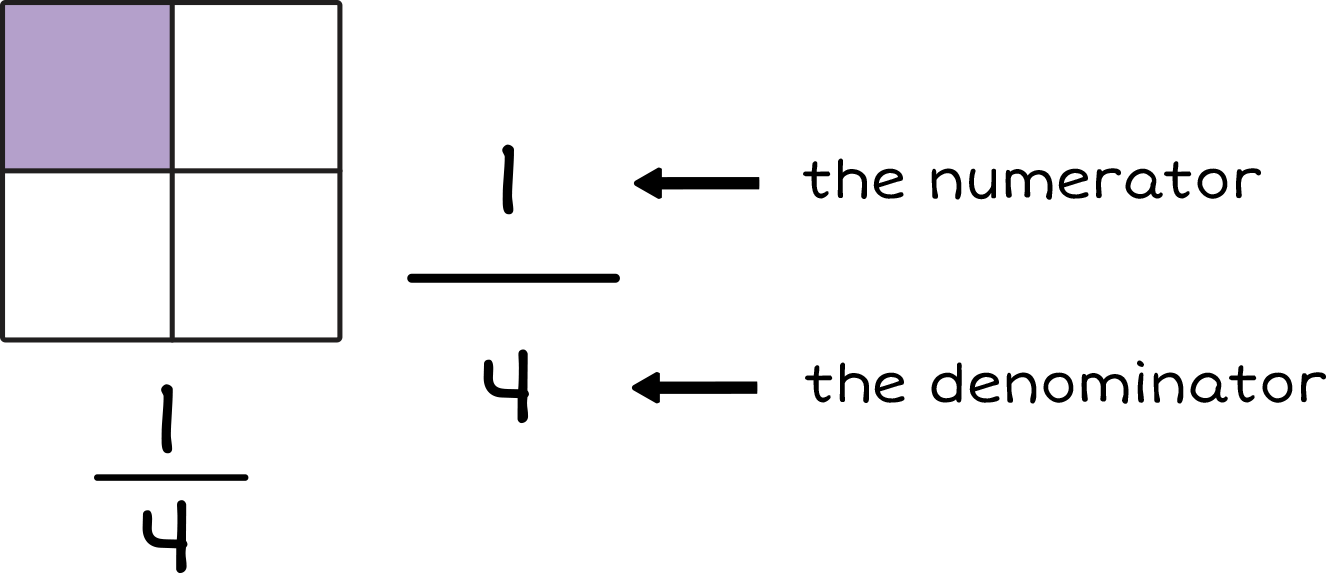
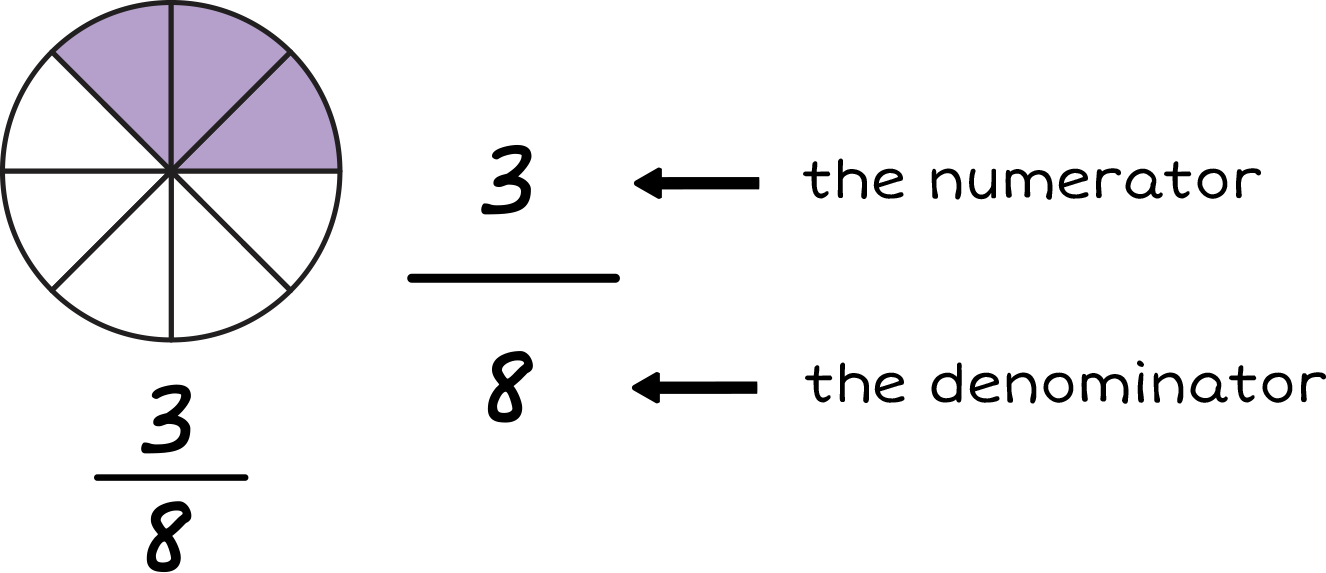
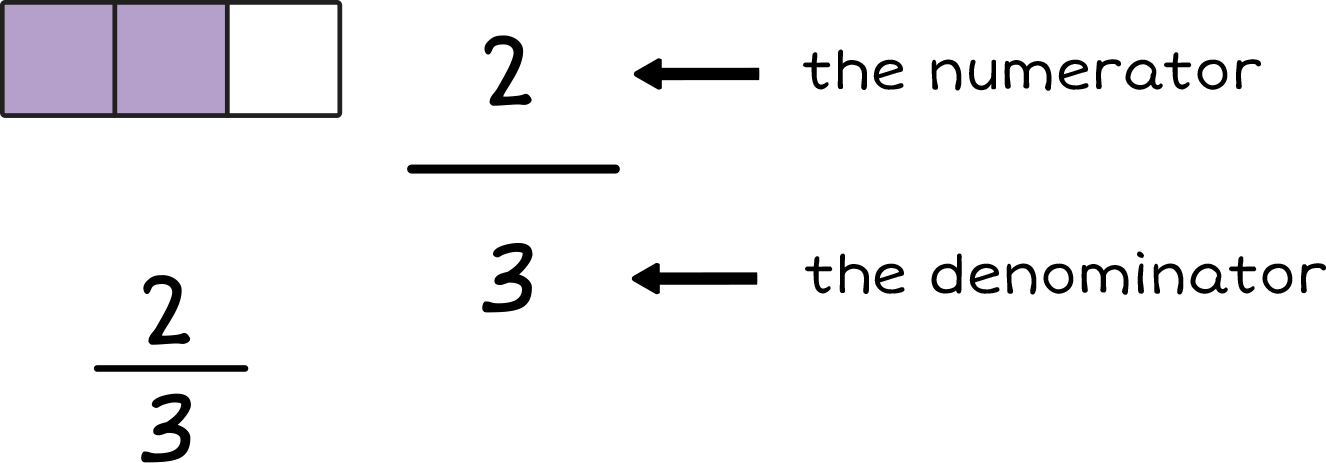
Click images to enlarge
You have already been working with fractions. Today, we are going to look at just the bottom part, the denominator. Remember that a fraction is used to represent how many equal parts there are in a whole shape.
The denominator is the number that shows the total number of parts.
My superhero friends are here to help. Click through the slides below to learn about the denominator in the fraction.
Hi there again. Alani here! You will need your laser vision to find the denominator. Remember, the number on the bottom of a fraction is called a denominator. It tells you how many equal parts, or pieces, the whole shape is divided into.

Let’s count the number of parts in this circle. This circle has been cut into pieces. Use your laser vision to find all of the parts. Do not worry about any parts that are colored in. Just find the total number of pieces.
First, count the pieces. Then, click the image to see how many pieces there are in this circle.
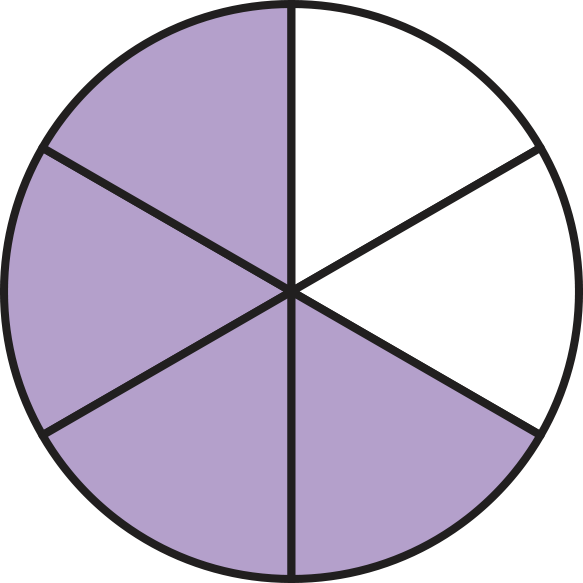
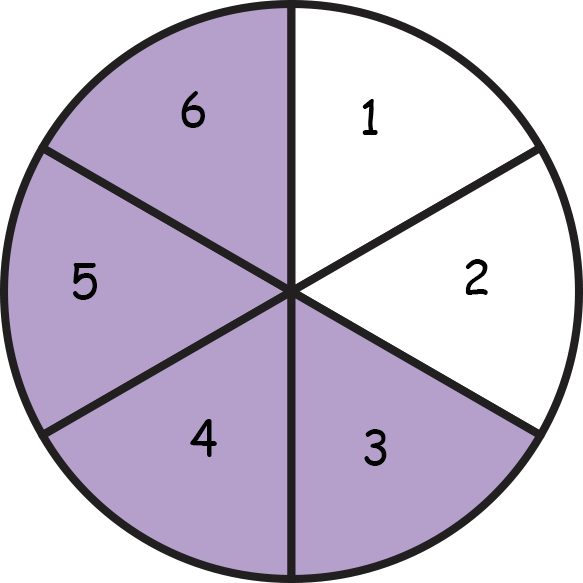
This fraction model is a circle that has been divided into 6 equal parts. That is the number that will go on the bottom of a fraction. It is the denominator, or bottom number.
Joe here to help you use the power of invisibility to look at fractions. Look at these circles. I have made the shaded areas disappear one at a time. That does not change the denominator, though. The denominator tells us how many equal parts, or pieces, there are in the whole shape.

How many total parts do you see in each circle? Click the circles to see if you got the right answer.
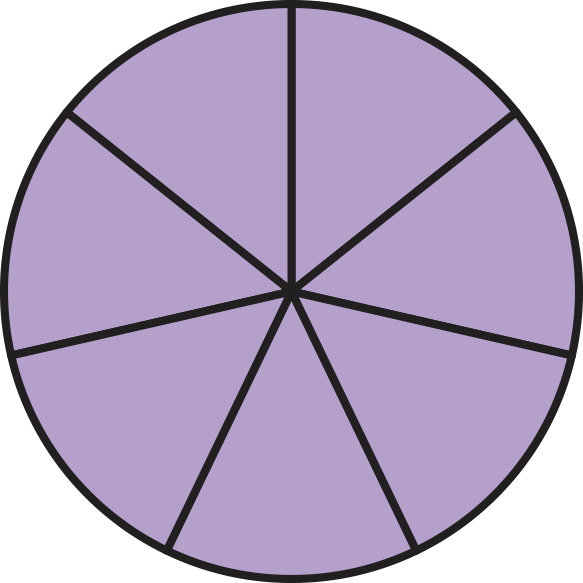
7 total parts
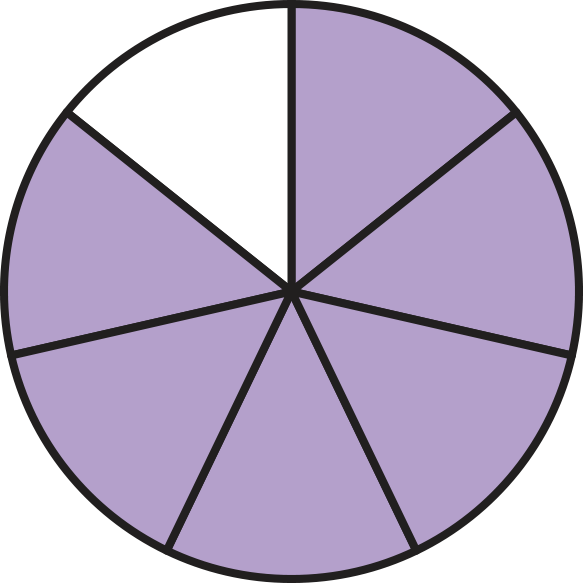
7 total parts
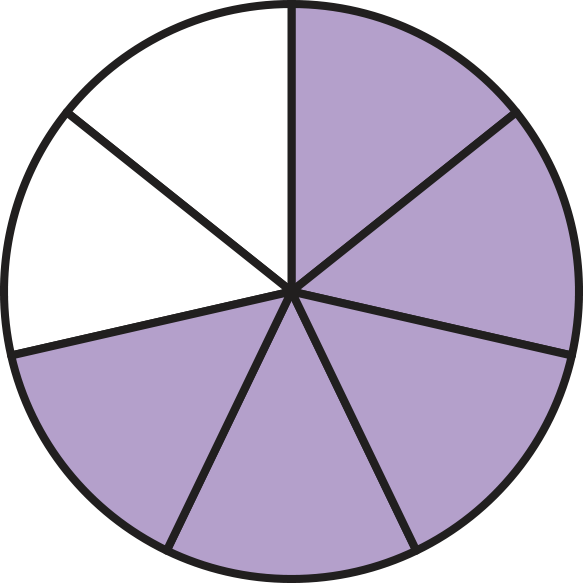
7 total parts
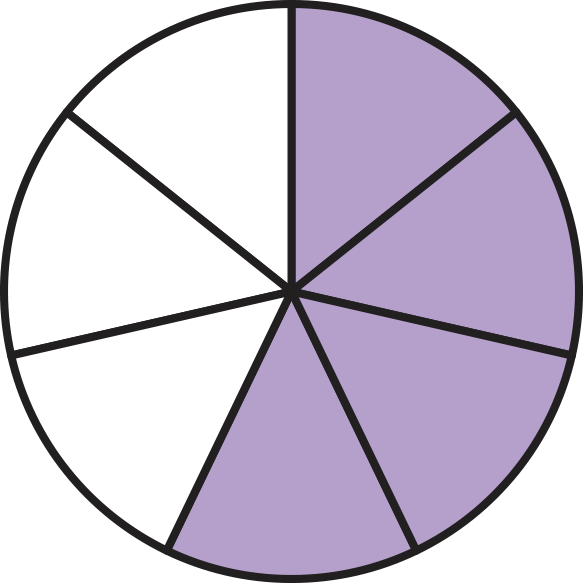
7 total parts
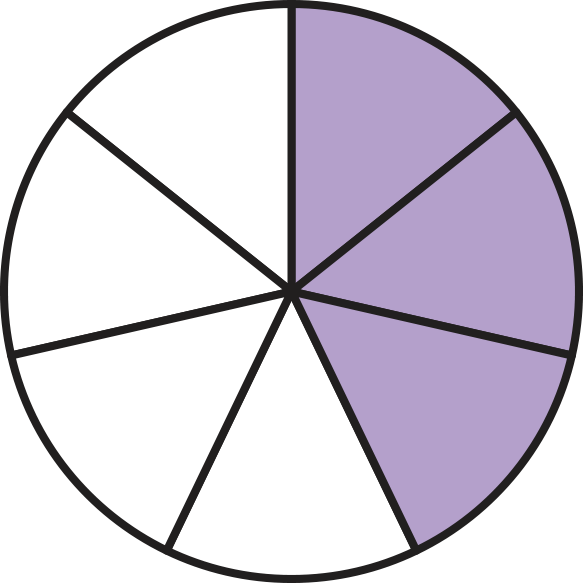
7 total parts
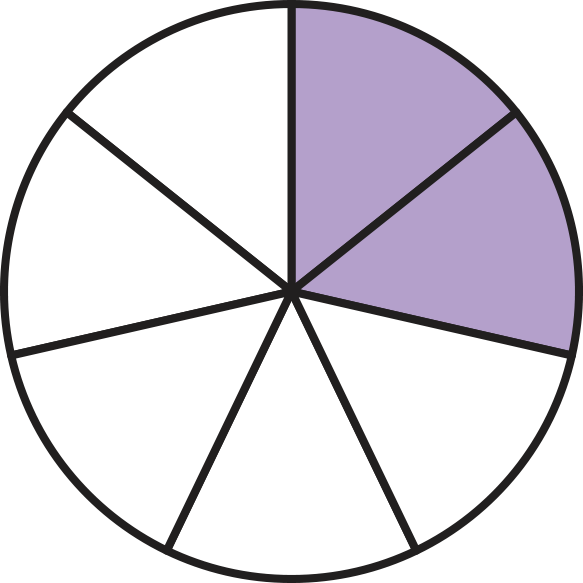
7 total parts

7 total parts

It does not matter how many parts are shaded. There are 7 equal parts total in each circle. Good work! That is the denominator. Do not worry about the top number right now. We are focusing on the bottom number, or denominator, to sharpen our superhero powers.

Hi, everyone! Ian here to show you that a denominator is the total number of parts, and it is the number on the bottom of a fraction. If I take a circle and divide it into eight equal parts, it will look like this. There are 8 parts! Count them!

Now, look what I did! I colored in each piece of the circle and made fractions. What do you notice about the denominator in each case? Click the Show Me button to find out more.

The number 8 is on the bottom. That is the denominator. That number did not change at all even as I colored in each piece. That is because I did not change the number of parts. I cut the circle into 8 pieces. That number stays on the bottom.
You can do this for any shape as long as the pieces are cut into equal parts. All of the pieces have to be the same size. How many pieces do you see in each shape below?
Say it out loud! Then, click the shape to check your answer!
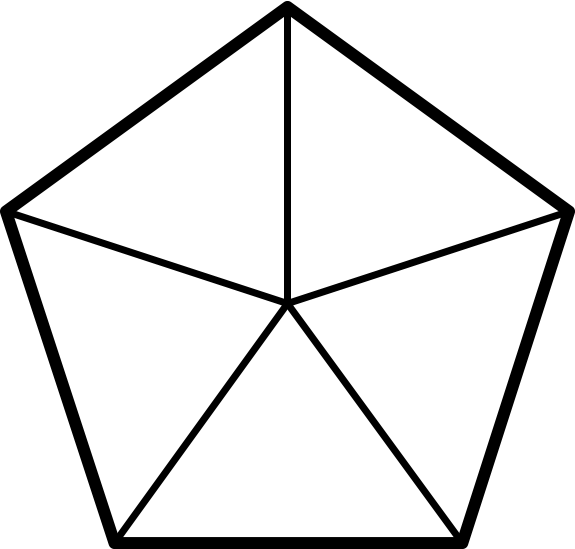
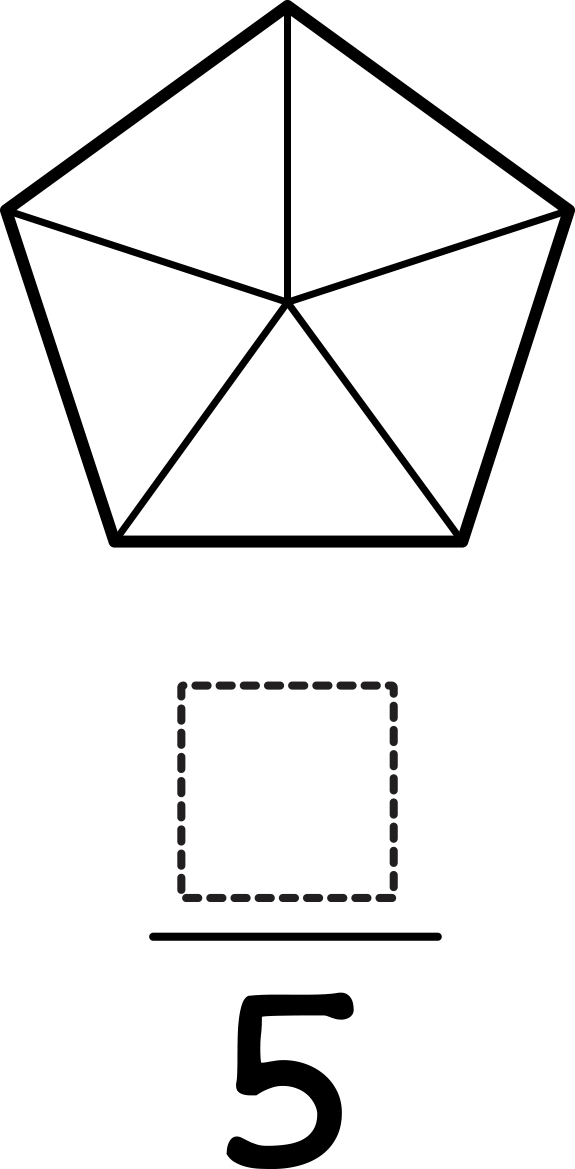

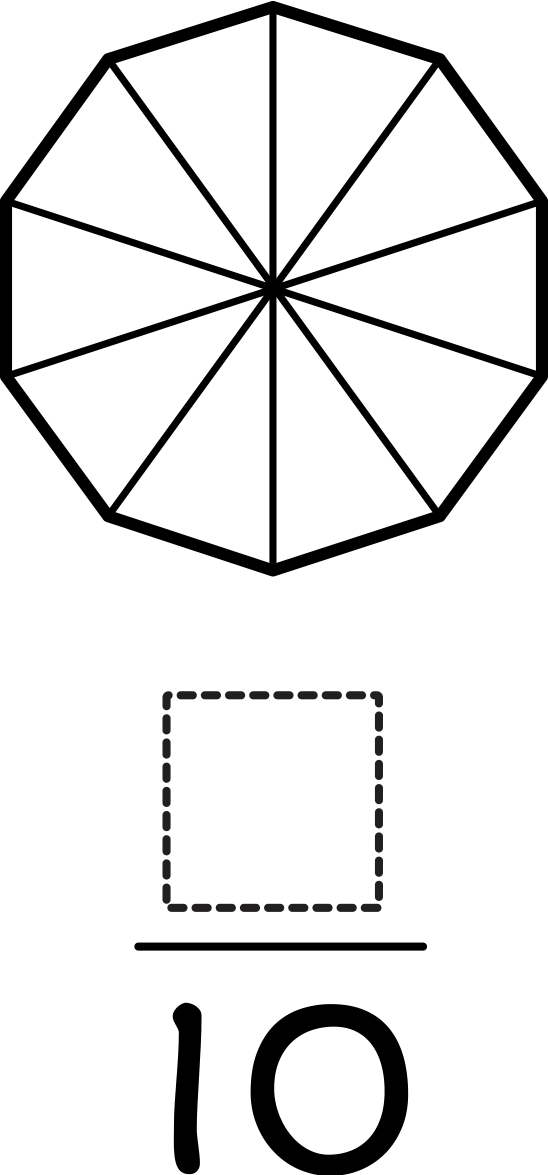
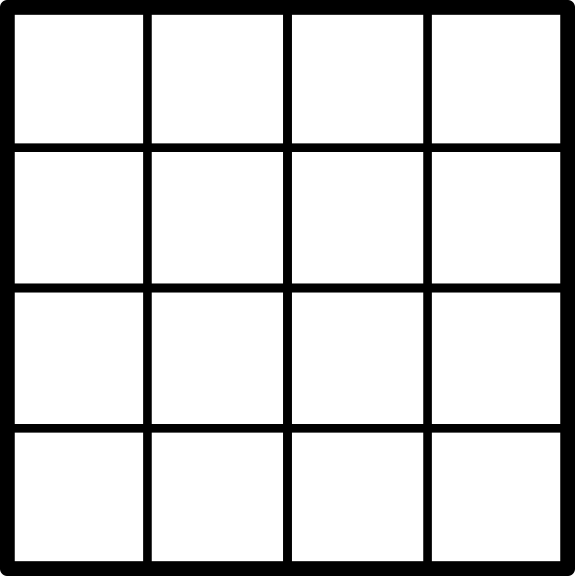

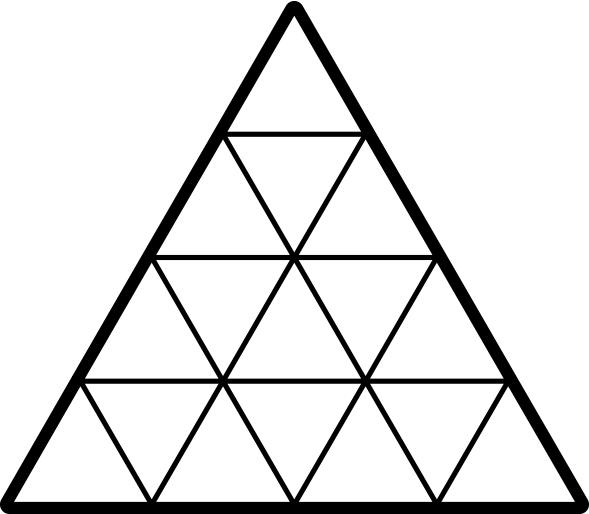
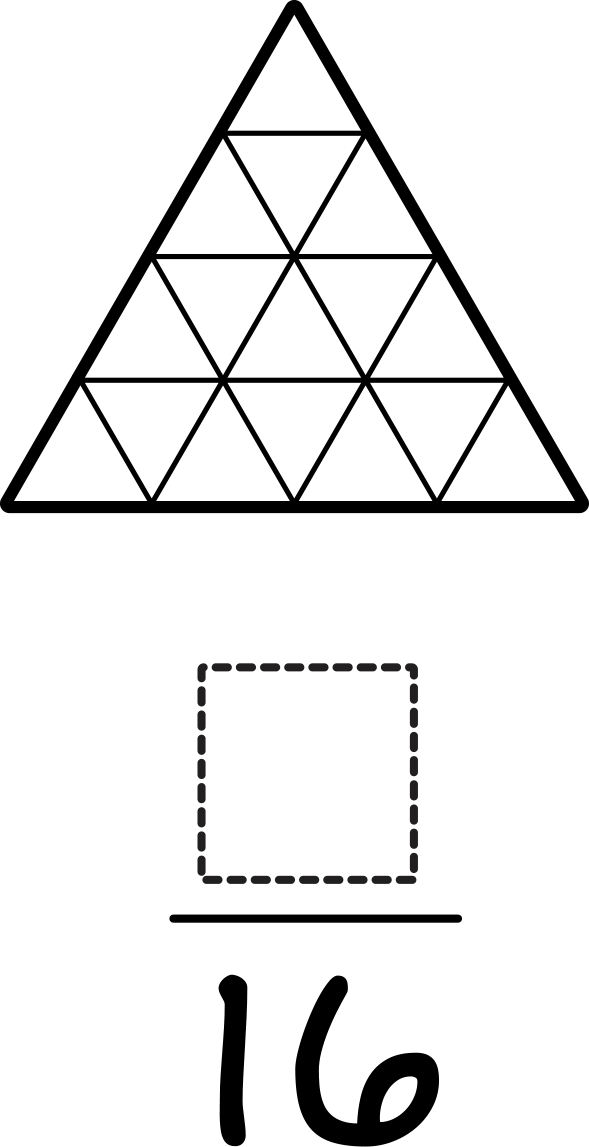


The denominator tells us how many parts are in a whole shape. Take a look at each circle below. Each has been cut into equal pieces. How many pieces can you count in each shape? The answer is the denominator for a fraction.
Ask yourself what the denominator is for each circle below. Then, click on the circle to check your answer.
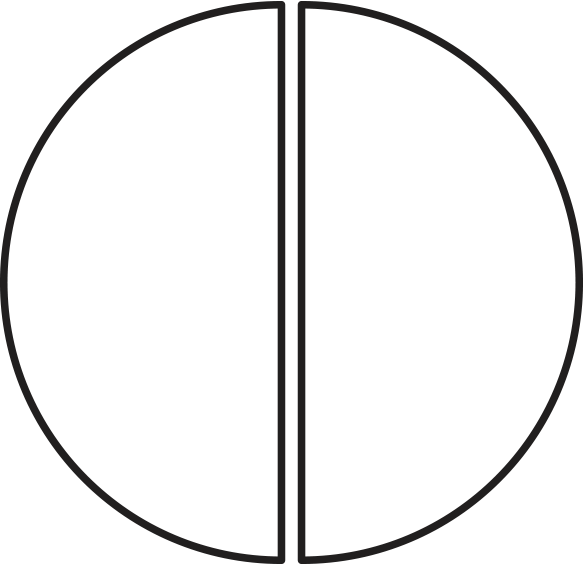
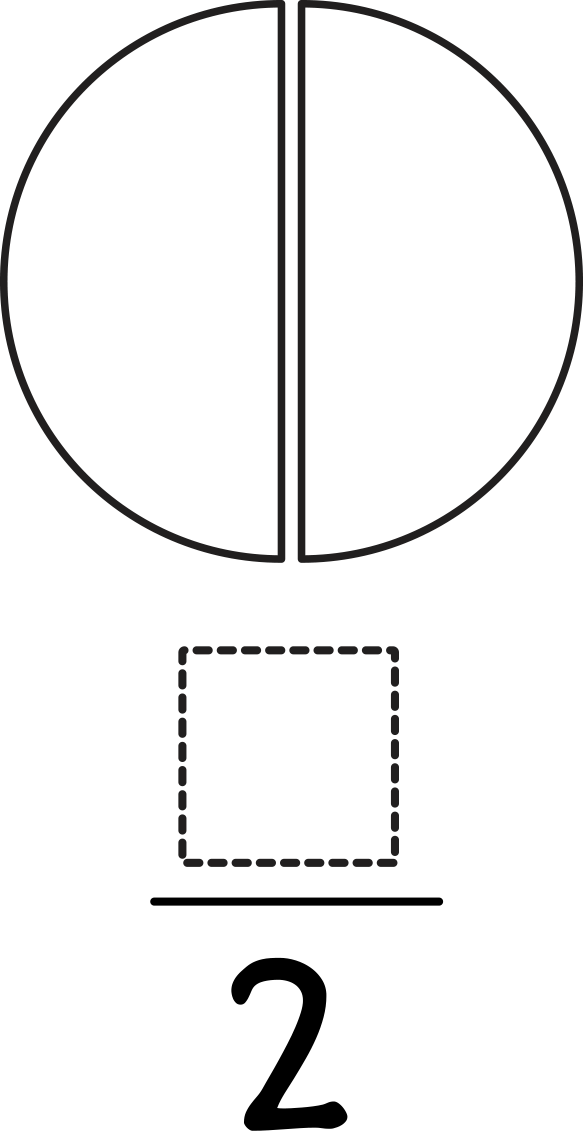
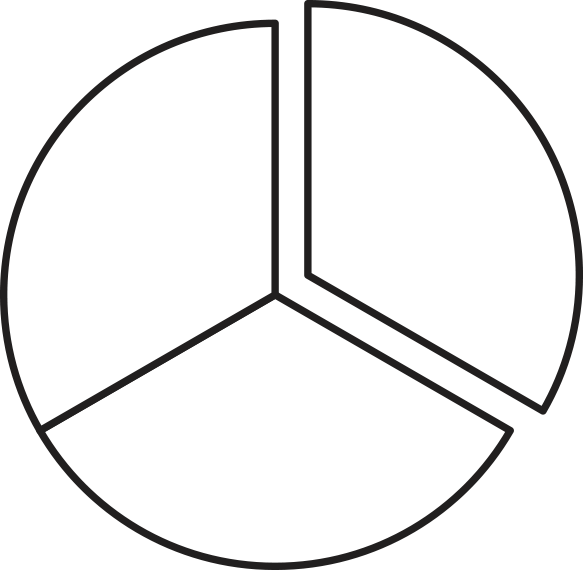
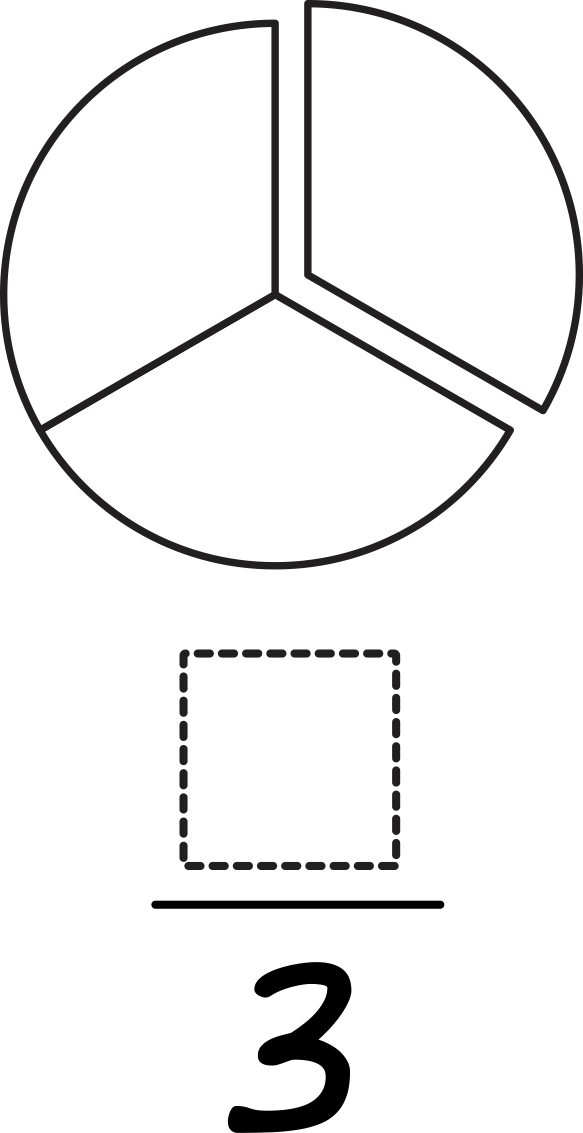
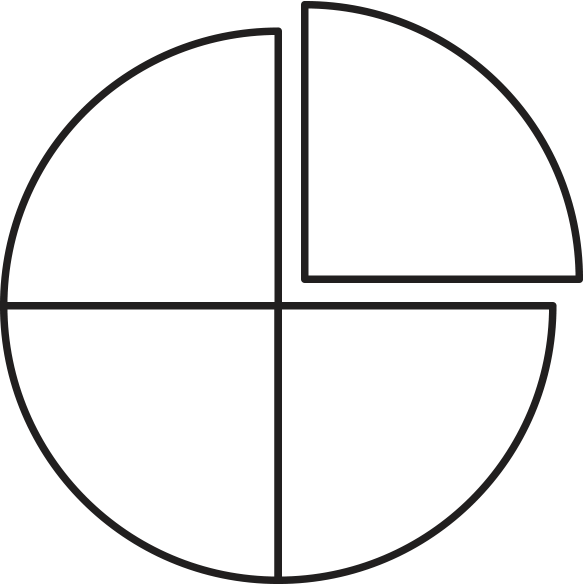
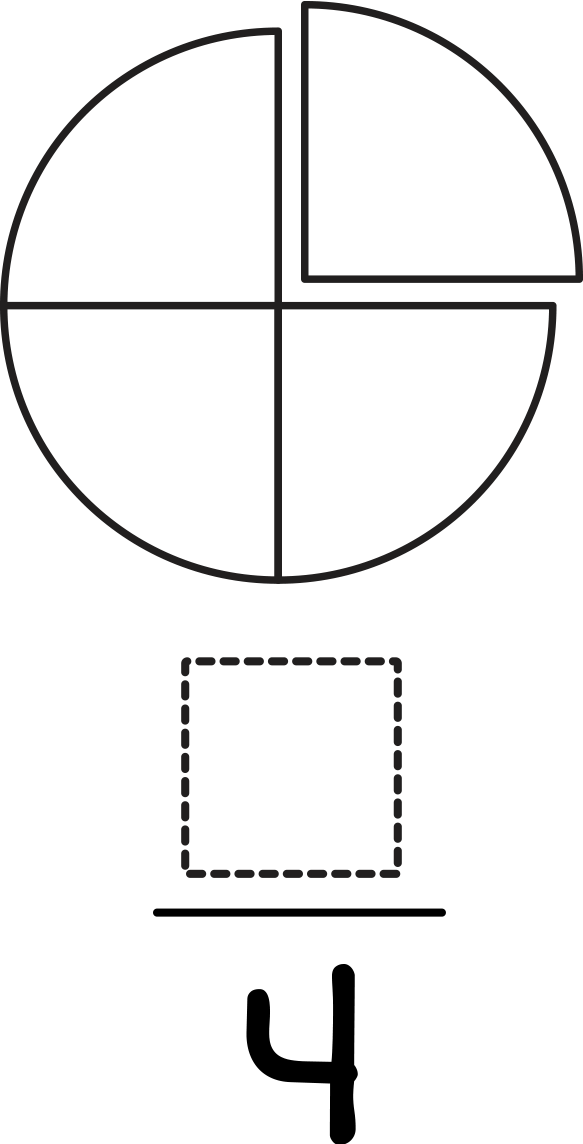
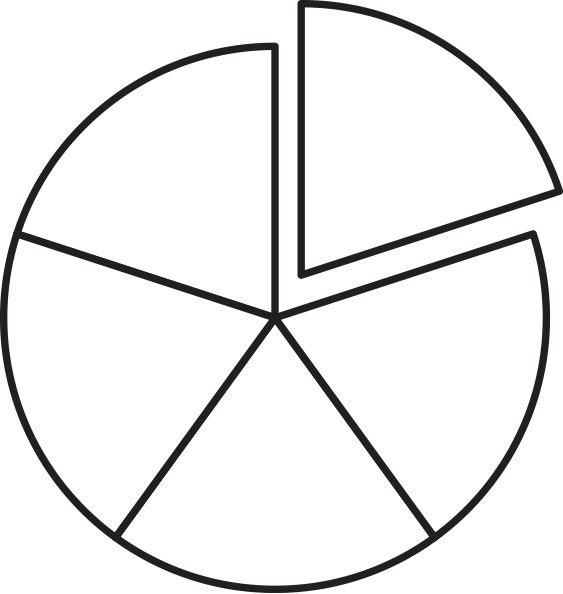
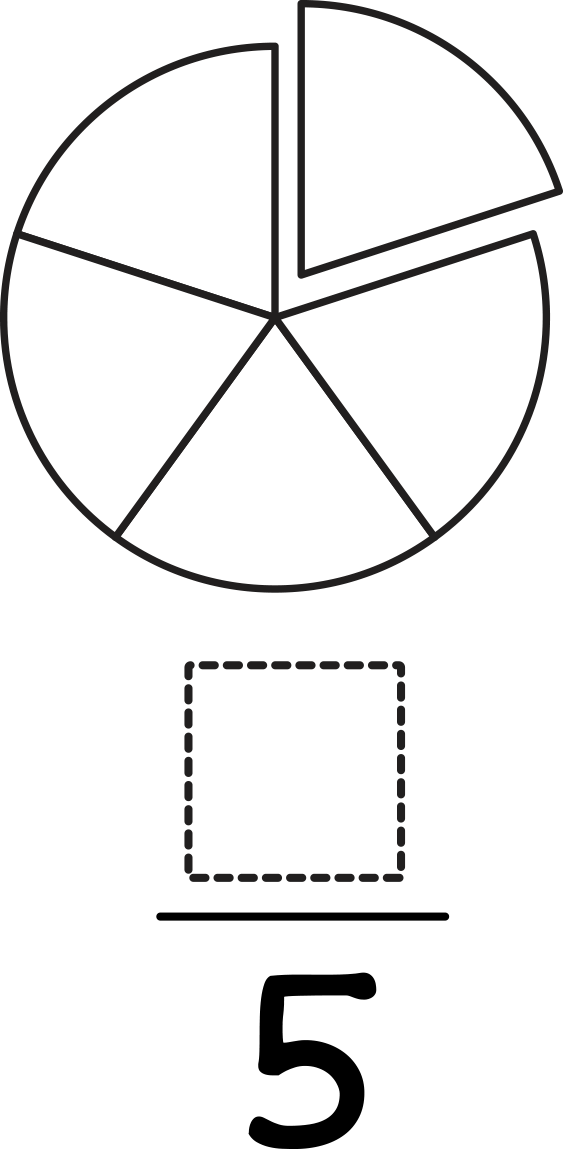
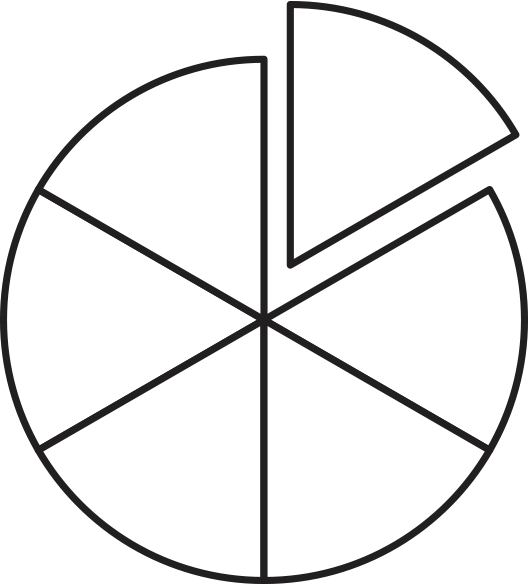
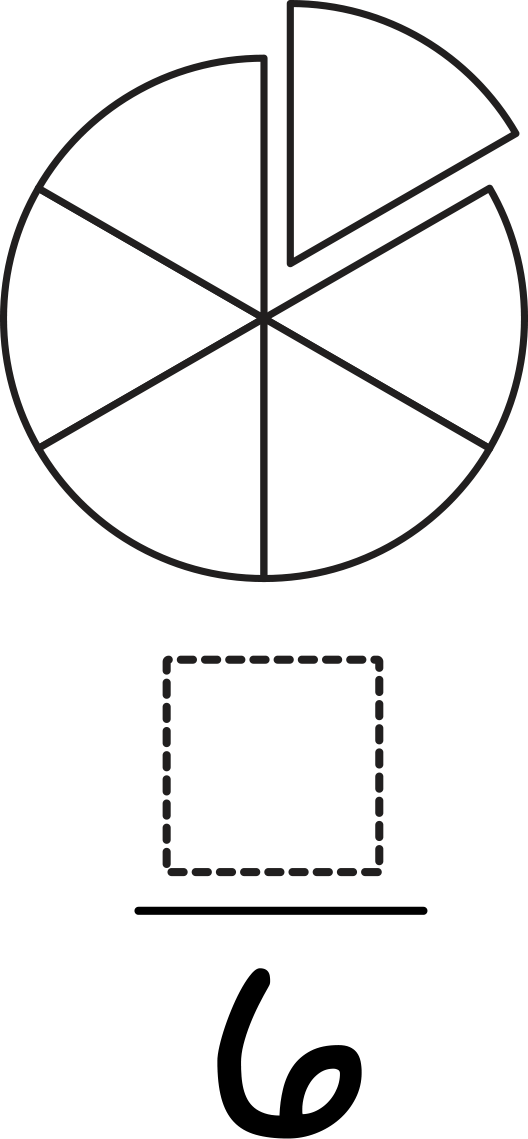
Notice that as the denominator gets bigger, the pieces of the circle get smaller. As we cut the circle into more equal pieces, each piece becomes smaller.
Question:
What is the bottom number of a fraction called?
The denominator.