Let’s Learn!
What are the factors of 1 through 25, and how do you find the greatest common factor?
Goal:
Goal:

Think About It!
Goal: Recognize the factors of 1 through 25 to find the greatest common factor.
Zoe is excited to learn multiple strategies to identify factors of numbers 1 through 25 to find the greatest common factor. Click through the slides to see the strategies!
Now let's define some key terms. Let's start off with factors. Factors are numbers that are multiplied together. The factors multiplied together equal the product. A product is the answer to a multiplication problem. Let's review our terms in a multiplication problem.
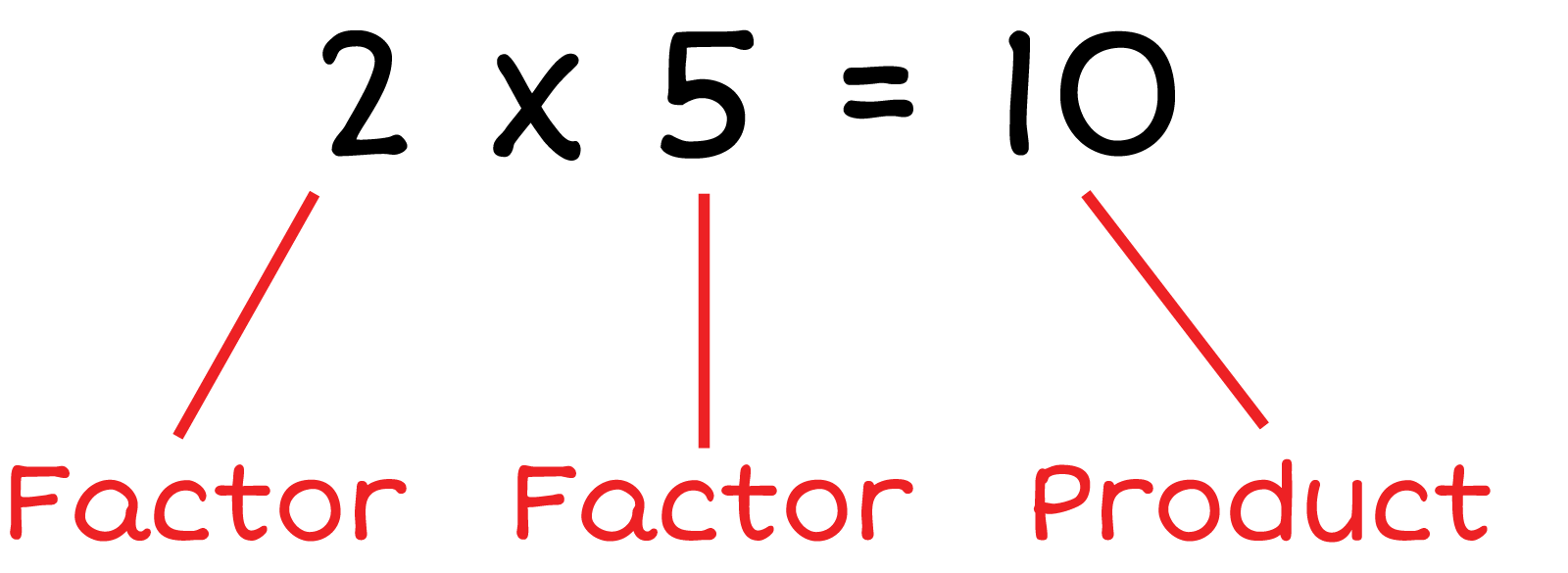 \({2 \times 5 = 10}\) The number two is a factor, The
number 5 is a factor, The number 10 is the product of
\({2 \times 5}\)
\({2 \times 5 = 10}\) The number two is a factor, The
number 5 is a factor, The number 10 is the product of
\({2 \times 5}\)
The factors of 10 are 2 and 5. Can you think of any other factors that, when multiplied together, equal 10? Let's list the factors of 10 starting from least to greatest. Let's start with 1. We can think of this in two ways: we can multiply, or we can divide. We can think “1 times what number \({=}\) 10?” or “10 divided by 1 is 10.” Either way, our factors are 1 and 10.
Now, let's move on to 2. Again, we can either multiply or divide: 2 times what equals 10? 5! So, \({2 \times 5 = 10}\). Or we can think, 10 divided by 2 equals what? 5! So, we have \({10 \div 2 = 5}\). In this instance, 2 and 5 are our factors.
Next, we can move to 3. Does 3 times any number equal 10? Or can 10 be divided by 3 evenly? No! So, we can stop there. We know 3 doesn't go into 10 evenly.
Let's think about 4, just to be sure we are done. We can think, “4 times what equals 10?” Nothing times 4 equals 10, and 10 divided by 4 is not an even number. So, we don't need to go any further.
We can always look on a multiplication table to check. Look for all the spaces where 10 is the product.
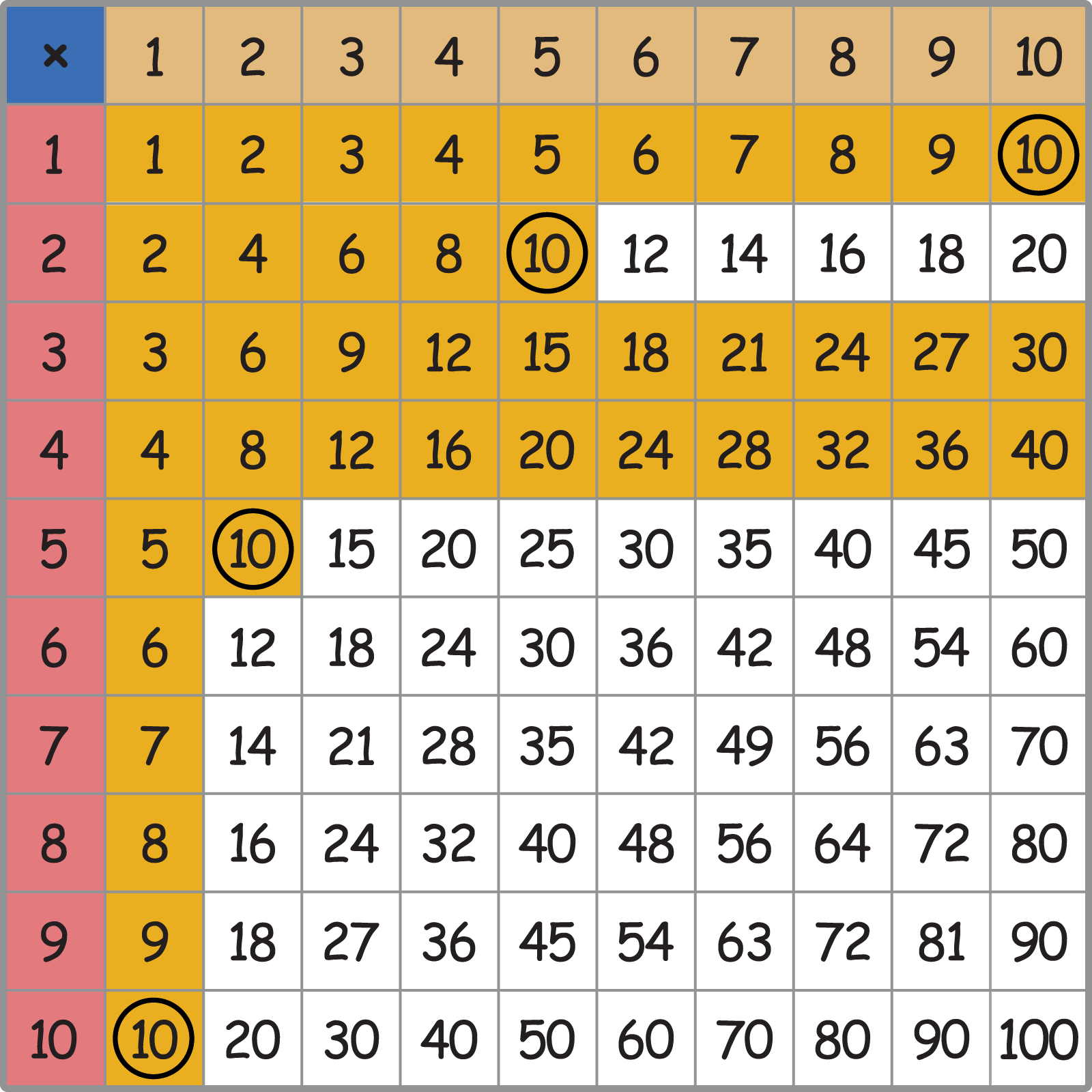 The left side of the grid is numbered
1,2,3,4,5,6,7,8,9,10. The top row is numbered
1,2,3,4,5,6,7,8,9,10. Row 2: 1,2,3,4,5,6,7,8,9,10 Row 3:
2,4,6,8,10,12,14,16,18,20 Row 4:
3,6,9,12,15,18,21,24,27,30 Row 5:
4,8,12,16,20,24,28,32,36,40 Row 6:
5,10,15,20,25,30,35,40,45,50 Row 7:
6,12,18,24,30,36,42,48,54,60 Row 8:
7,14,21,28,35,42,49,56,63,70 Row 9:
8,16,24,32,40,48,56,64,72,80 Row 10:
9,18,27,36,45,54,63,72,81,90 Row 11:
10,20,30,40,50,60,70,80,90,100. The second row is
highlighted orange and the 10 is circled. The third row
the numbers 2 through 10 are highlighted the 10 is
circled. The fourth row the numbers 3 through 30 are
highlighted The fifth row the numbers 4 through 40 are
highlighted. The sixth row the numbers 5 and 10 are
highlighted. The 10 is circled. The first column is
highlighted 1 through 10 and the 10 is circled.
The left side of the grid is numbered
1,2,3,4,5,6,7,8,9,10. The top row is numbered
1,2,3,4,5,6,7,8,9,10. Row 2: 1,2,3,4,5,6,7,8,9,10 Row 3:
2,4,6,8,10,12,14,16,18,20 Row 4:
3,6,9,12,15,18,21,24,27,30 Row 5:
4,8,12,16,20,24,28,32,36,40 Row 6:
5,10,15,20,25,30,35,40,45,50 Row 7:
6,12,18,24,30,36,42,48,54,60 Row 8:
7,14,21,28,35,42,49,56,63,70 Row 9:
8,16,24,32,40,48,56,64,72,80 Row 10:
9,18,27,36,45,54,63,72,81,90 Row 11:
10,20,30,40,50,60,70,80,90,100. The second row is
highlighted orange and the 10 is circled. The third row
the numbers 2 through 10 are highlighted the 10 is
circled. The fourth row the numbers 3 through 30 are
highlighted The fifth row the numbers 4 through 40 are
highlighted. The sixth row the numbers 5 and 10 are
highlighted. The 10 is circled. The first column is
highlighted 1 through 10 and the 10 is circled.
We can circle all the multiples of 10 from each row and look at rows 3 and 4. Do those rows contain the multiple of 10? No. We were correct; 3 and 4 do not go into 10 evenly.
Therefore, we have all the factors for 10. Let's list them from least to greatest 1, 2, 5, 10. These are the factors of 10.
When identifying factors of a given number, we want to make sure we don't miss any. One way is to find factor pairs of a given number. Factor pairs are a set of two numbers that, when multiplied together, result in a given product. 1 and 10 are factor pairs.
What is another factor pair for the number 10, that includes a 2?
2 and 5
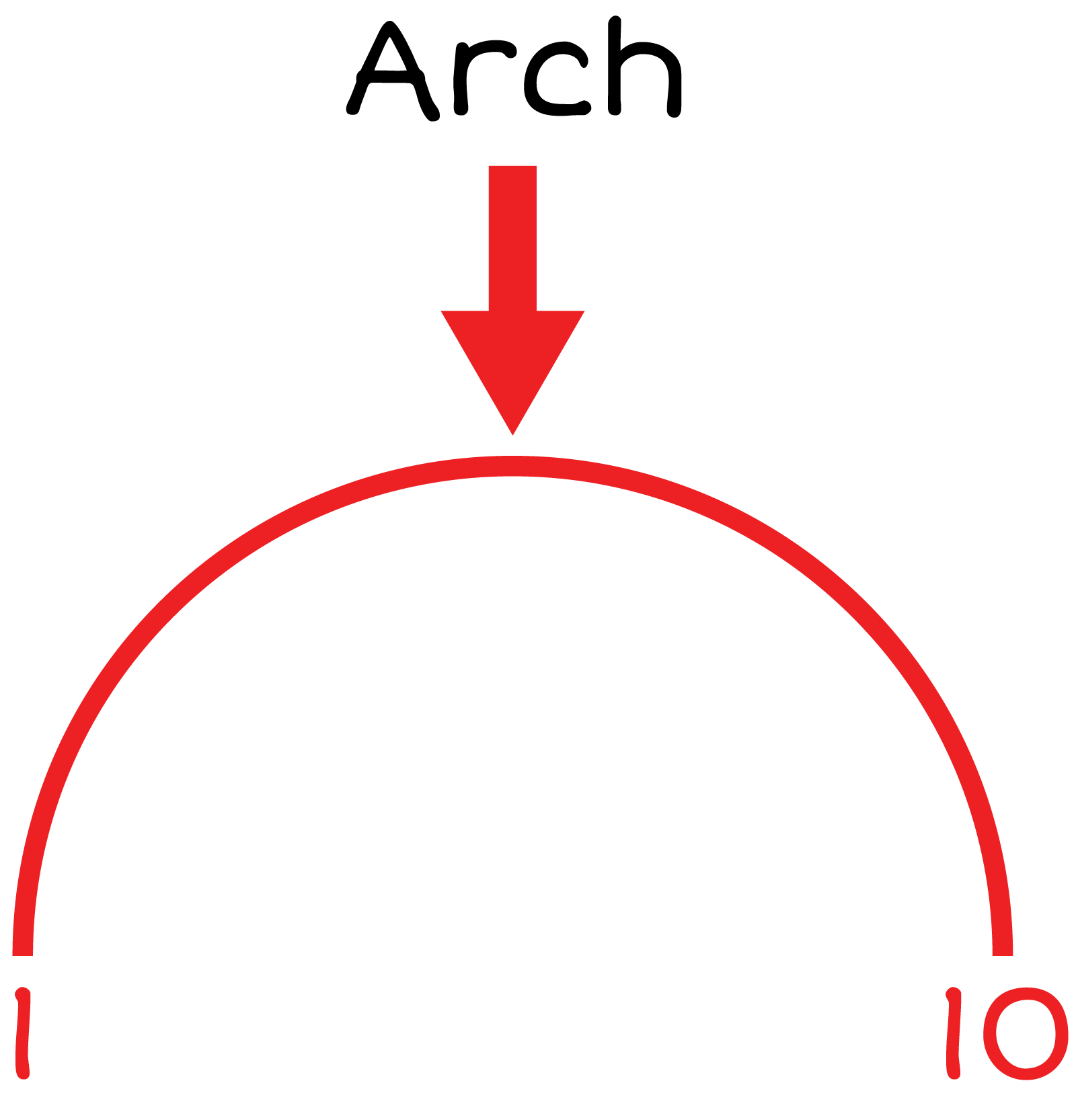
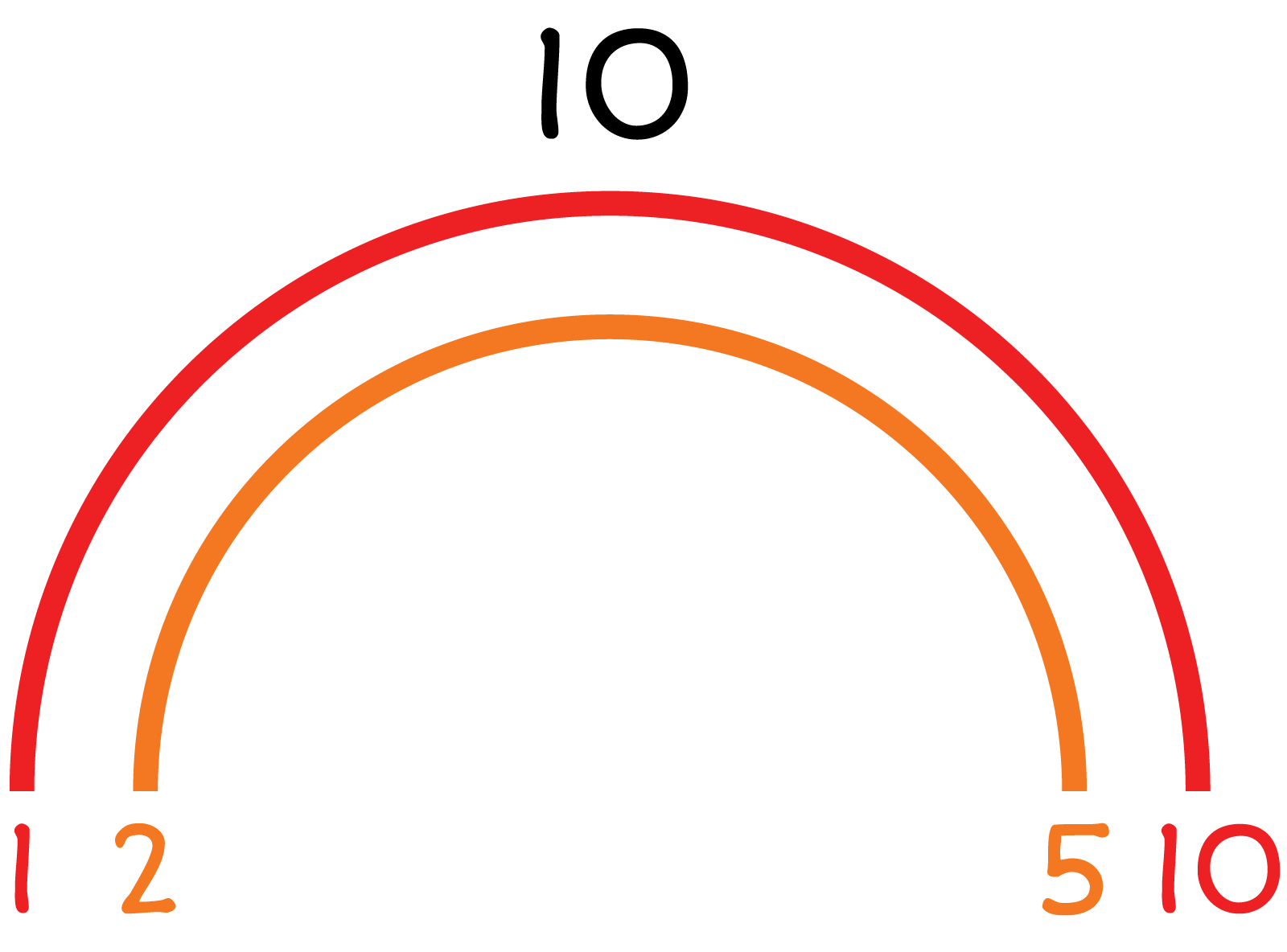
We can use factor rainbows to list factor pairs and find all the factors of a number in order from least to greatest. Let’s create a factor rainbow for 10. We know 1 and a number is always itself, so one is always part of a factor pair for every number. We will draw a big arch for 1 times 10.
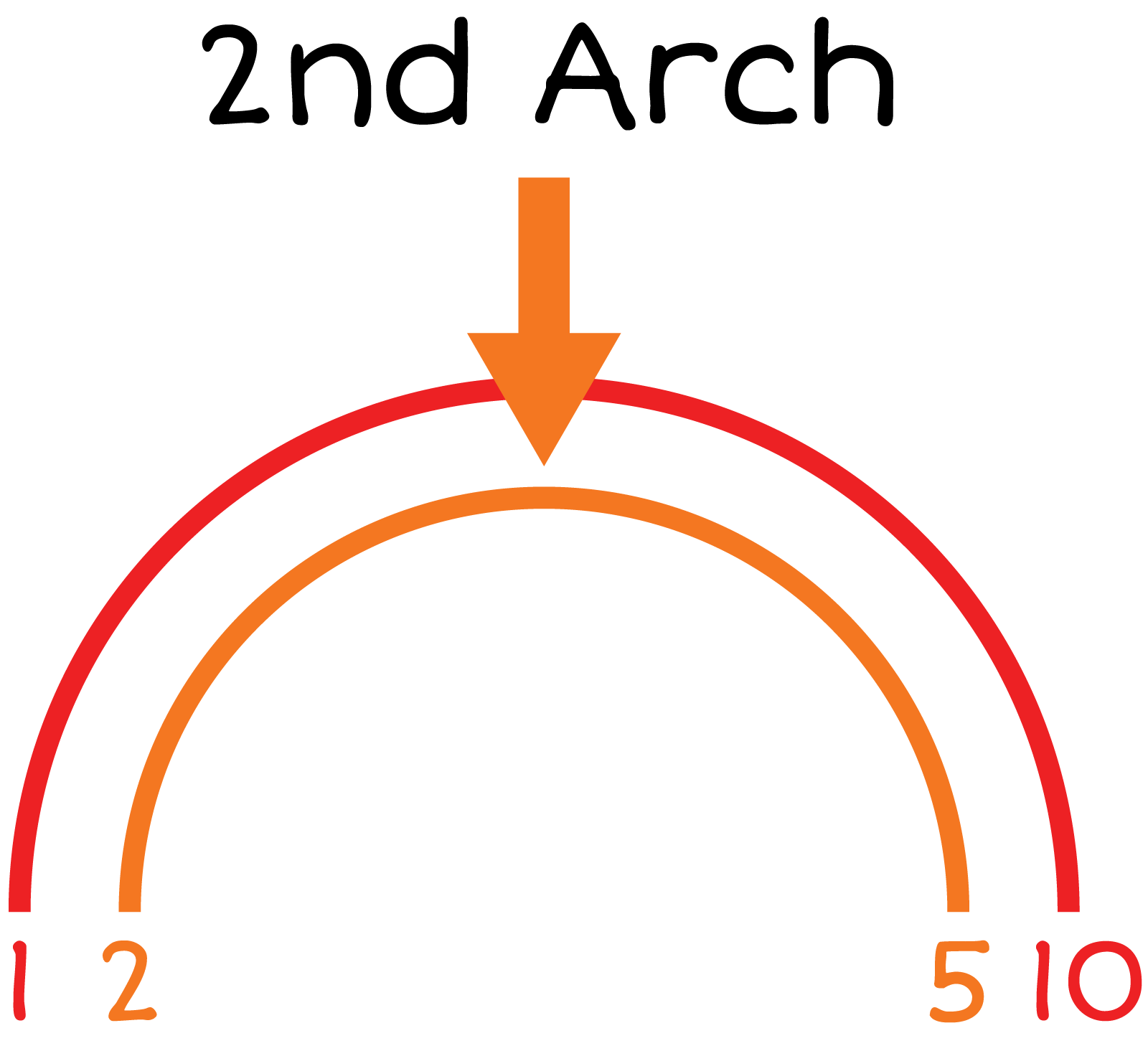
Next, let’s draw a second arch for the next factor pair. We know 3 doesn’t go into 10 evenly, and the same with the number 4. Now, we are on the number 5. We can stop now because we are on number 5 on both sides of the rainbow. The factor rainbow is complete. We can also use a multiplication table if we need to review our multiplication facts.
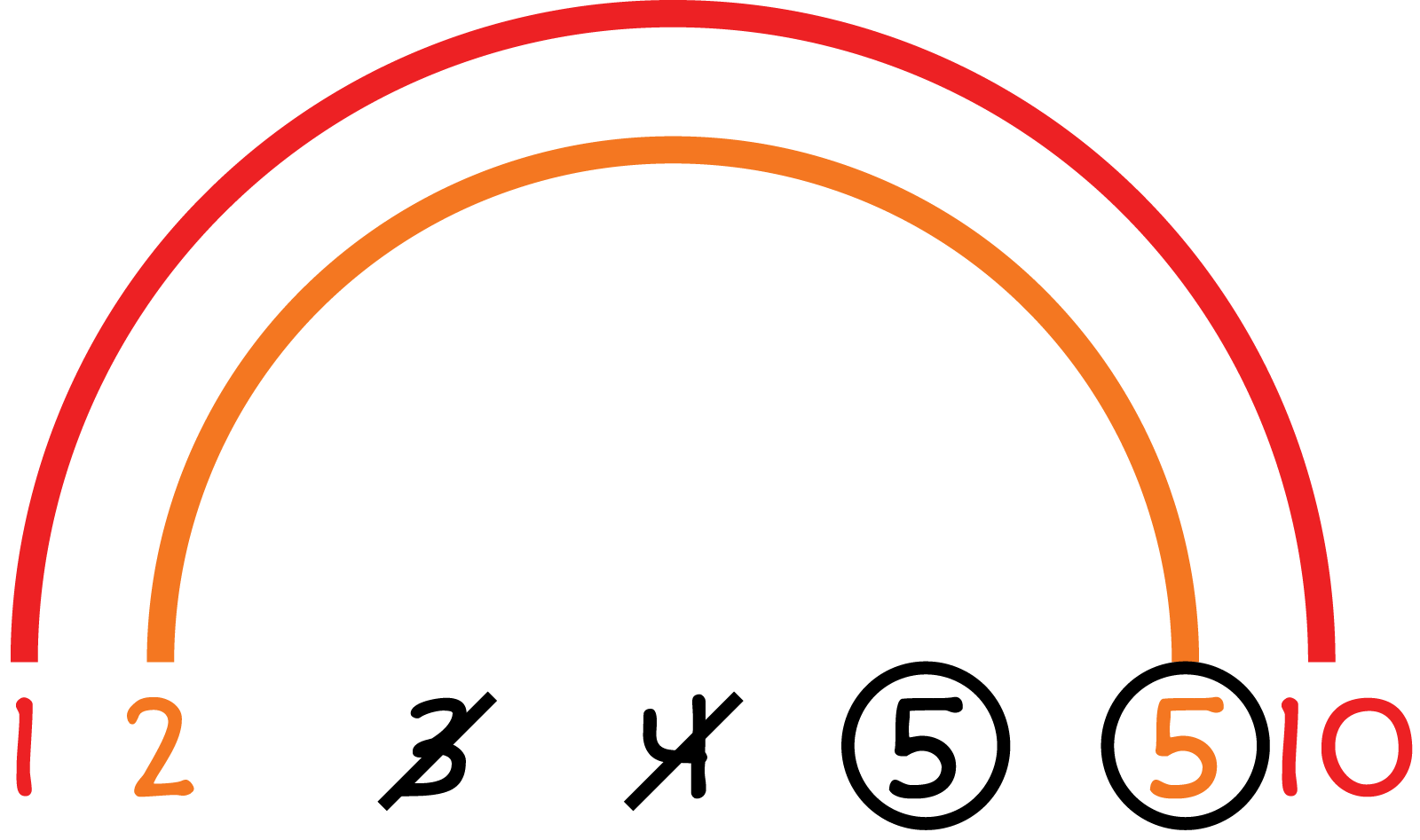
We can try 3 and 4, but they do not divide equally into 10, so we cannot make another arch in our rainbow.
Let's create a factor rainbow for the number 12. We will start with the number 1.
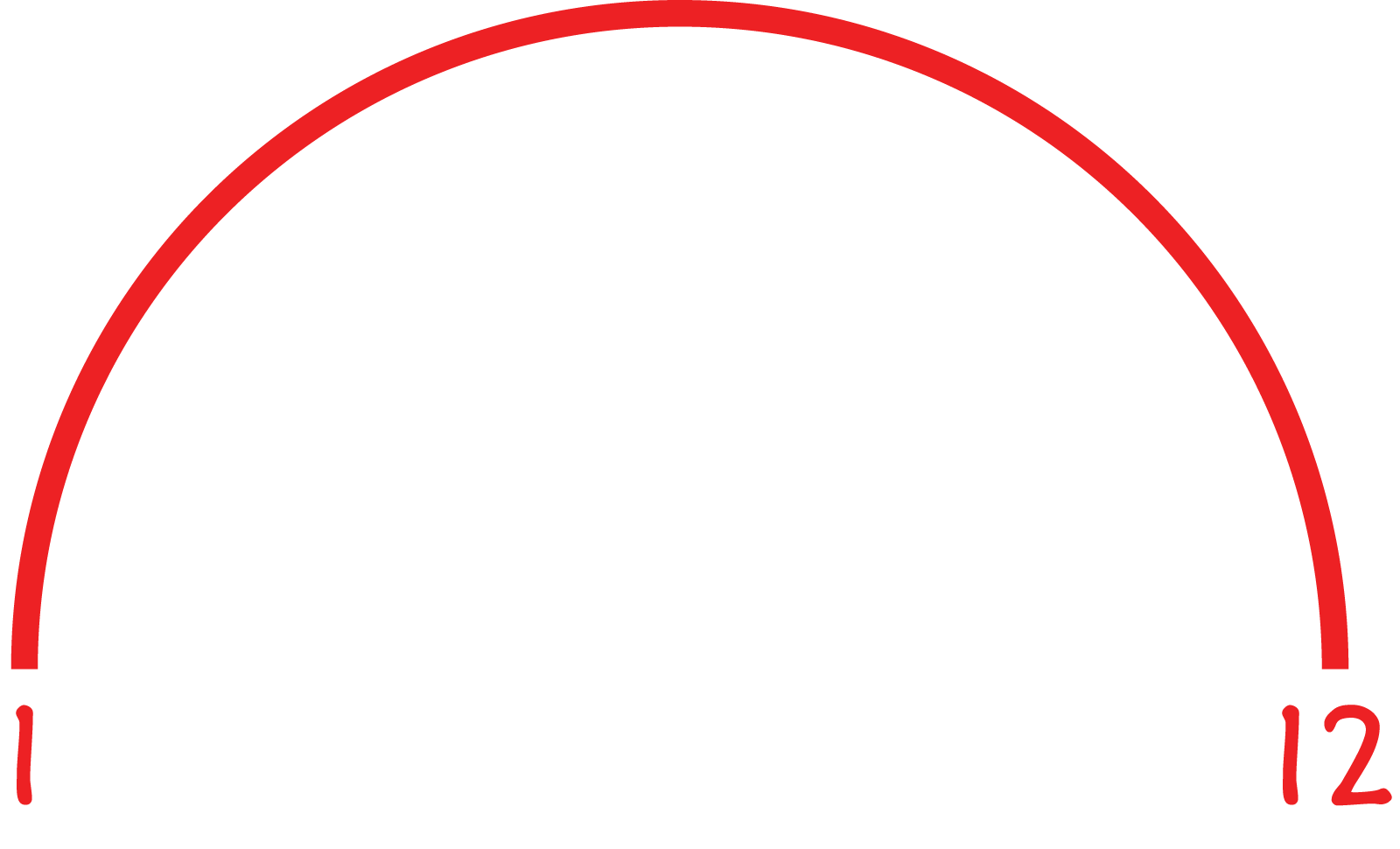
1 times what is 12? 12! So, \({1 \times 12 = 12}\), which means 1 and 12 are factors of 12.
What is the next factor pair for the number 12? Use the multiplication table to help. Click on the table to check your answers.
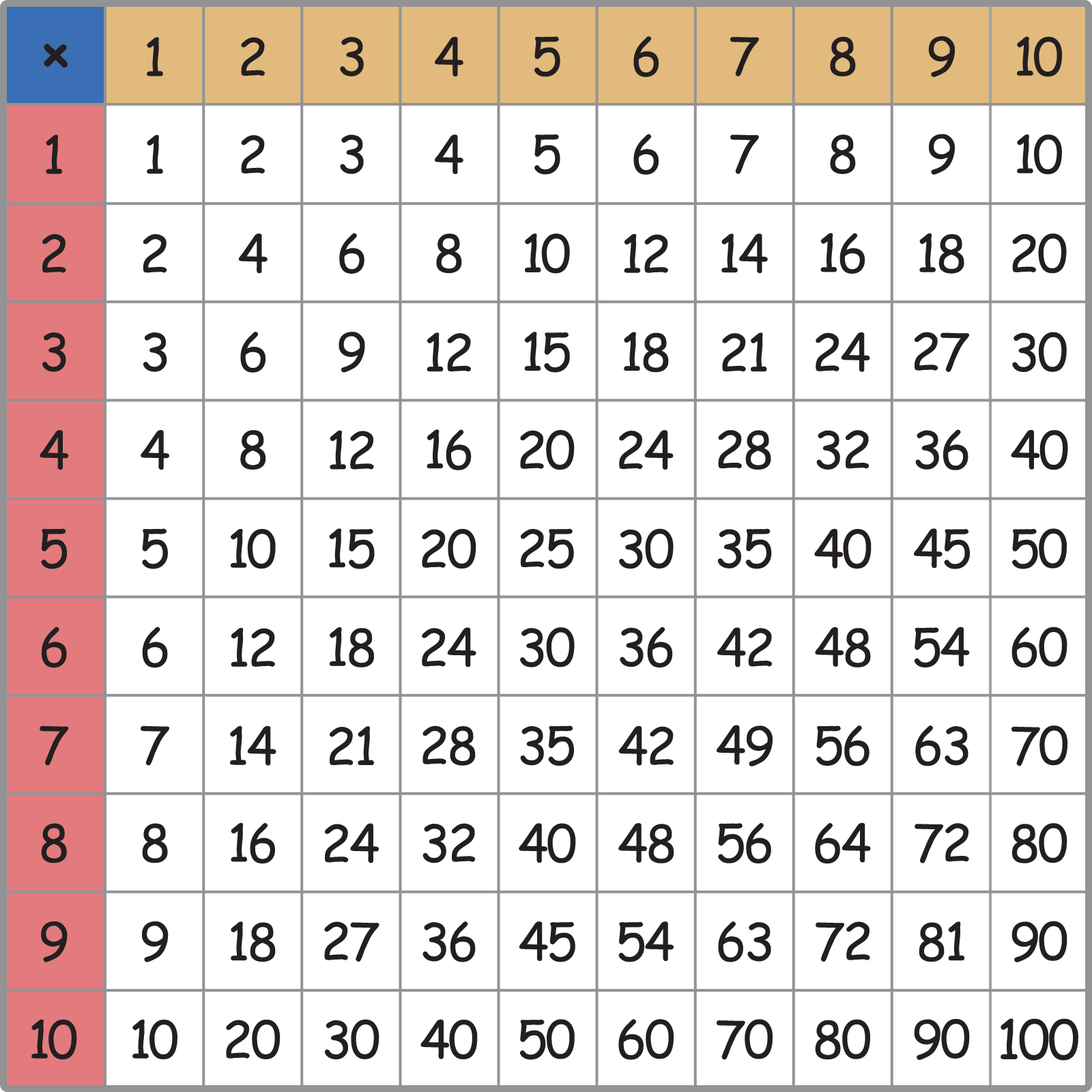 The left side of the grid is numbered
1,2,3,4,5,6,7,8,9,10. The top row is numbered
1,2,3,4,5,6,7,8,9,10. Row 2:
1,2,3,4,5,6,7,8,9,10 Row 3:
2,4,6,8,10,12,14,16,18,20 Row 4:
3,6,9,12,15,18,21,24,27,30 Row 5:
4,8,12,16,20,24,28,32,36,40 Row 6:
5,10,15,20,25,30,35,40,45,50 Row 7:
6,12,18,24,30,36,42,48,54,60 Row 8:
7,14,21,28,35,42,49,56,63,70 Row 9:
8,16,24,32,40,48,56,64,72,80 Row 10:
9,18,27,36,45,54,63,72,81,90 Row 11:
10,20,30,40,50,60,70,80,90,100.
The left side of the grid is numbered
1,2,3,4,5,6,7,8,9,10. The top row is numbered
1,2,3,4,5,6,7,8,9,10. Row 2:
1,2,3,4,5,6,7,8,9,10 Row 3:
2,4,6,8,10,12,14,16,18,20 Row 4:
3,6,9,12,15,18,21,24,27,30 Row 5:
4,8,12,16,20,24,28,32,36,40 Row 6:
5,10,15,20,25,30,35,40,45,50 Row 7:
6,12,18,24,30,36,42,48,54,60 Row 8:
7,14,21,28,35,42,49,56,63,70 Row 9:
8,16,24,32,40,48,56,64,72,80 Row 10:
9,18,27,36,45,54,63,72,81,90 Row 11:
10,20,30,40,50,60,70,80,90,100.
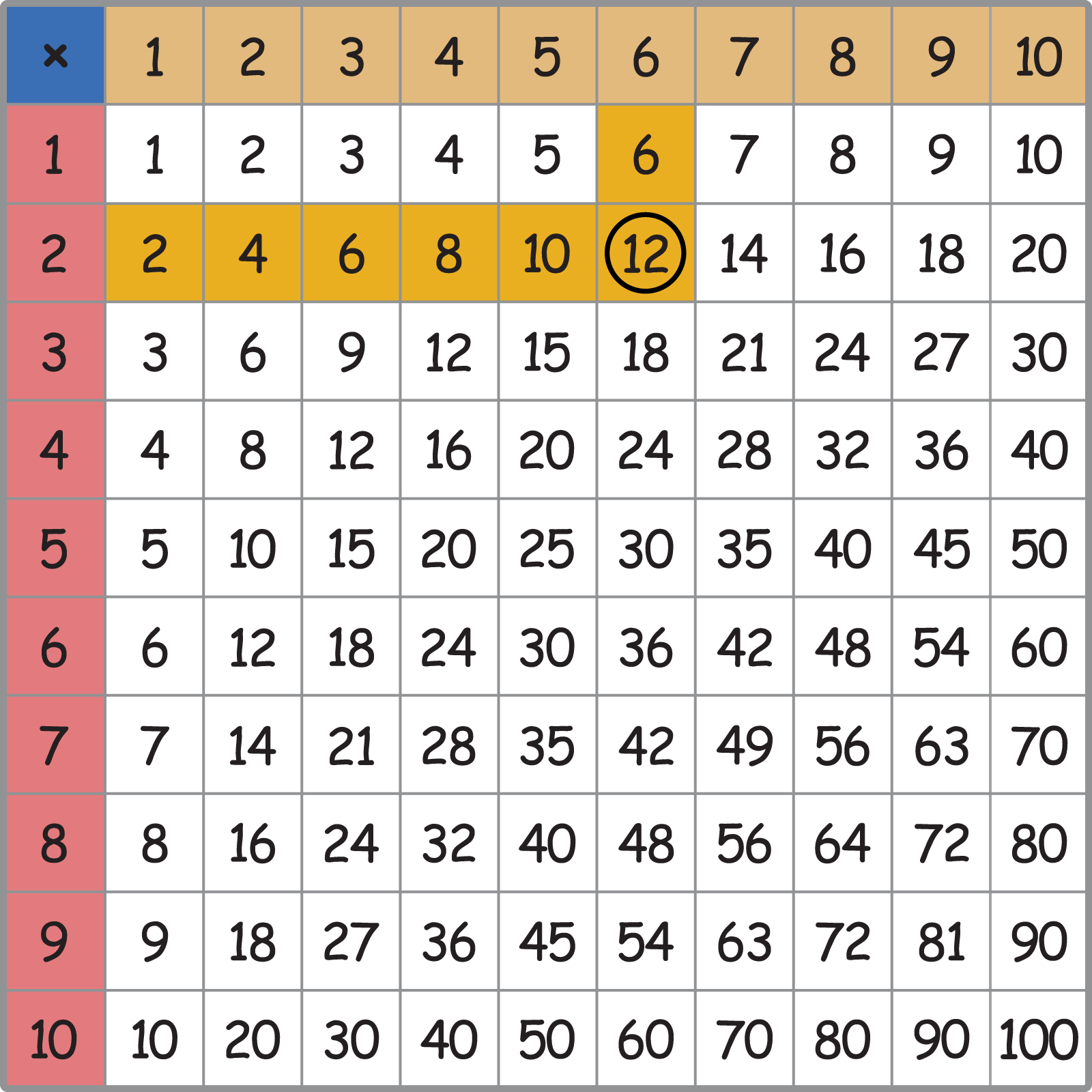 The left side of the grid is numbered
1,2,3,4,5,6,7,8,9,10. The top row is numbered
1,2,3,4,5,6,7,8,9,10. Row 2:
1,2,3,4,5,6,7,8,9,10 Row 3:
2,4,6,8,10,12,14,16,18,20 Row 4:
3,6,9,12,15,18,21,24,27,30 Row 5:
4,8,12,16,20,24,28,32,36,40 Row 6:
5,10,15,20,25,30,35,40,45,50 Row 7:
6,12,18,24,30,36,42,48,54,60 Row 8:
7,14,21,28,35,42,49,56,63,70 Row 9:
8,16,24,32,40,48,56,64,72,80 Row 10:
9,18,27,36,45,54,63,72,81,90 Row 11:
10,20,30,40,50,60,70,80,90,100. The third row: 2
is highlighted until the 12. The 7th Column: 6
is highlighted until it meets the 12. \({2
\times 6 = 12}\) The 12 is circled.
The left side of the grid is numbered
1,2,3,4,5,6,7,8,9,10. The top row is numbered
1,2,3,4,5,6,7,8,9,10. Row 2:
1,2,3,4,5,6,7,8,9,10 Row 3:
2,4,6,8,10,12,14,16,18,20 Row 4:
3,6,9,12,15,18,21,24,27,30 Row 5:
4,8,12,16,20,24,28,32,36,40 Row 6:
5,10,15,20,25,30,35,40,45,50 Row 7:
6,12,18,24,30,36,42,48,54,60 Row 8:
7,14,21,28,35,42,49,56,63,70 Row 9:
8,16,24,32,40,48,56,64,72,80 Row 10:
9,18,27,36,45,54,63,72,81,90 Row 11:
10,20,30,40,50,60,70,80,90,100. The third row: 2
is highlighted until the 12. The 7th Column: 6
is highlighted until it meets the 12. \({2
\times 6 = 12}\) The 12 is circled.
2 and 6
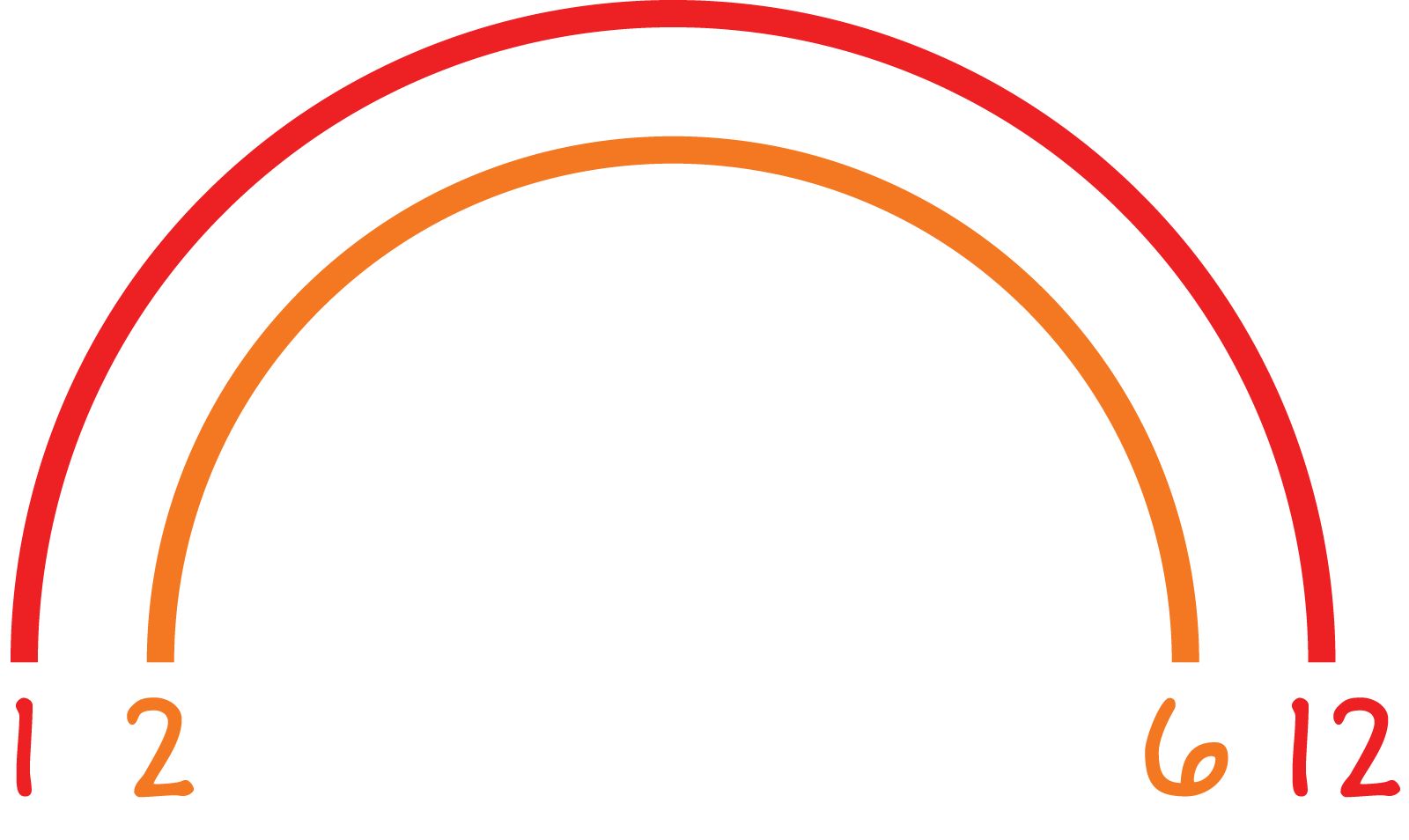
Now, we have the next factor pair of 2 and 6. 2 times 6 is 12, so we know 2 and 6 are factors of 12.
Now, let's try 3! Is there any number multiplied by 3 that equals 12? If so, make another arch in your rainbow.
Click the rainbow to check your work.
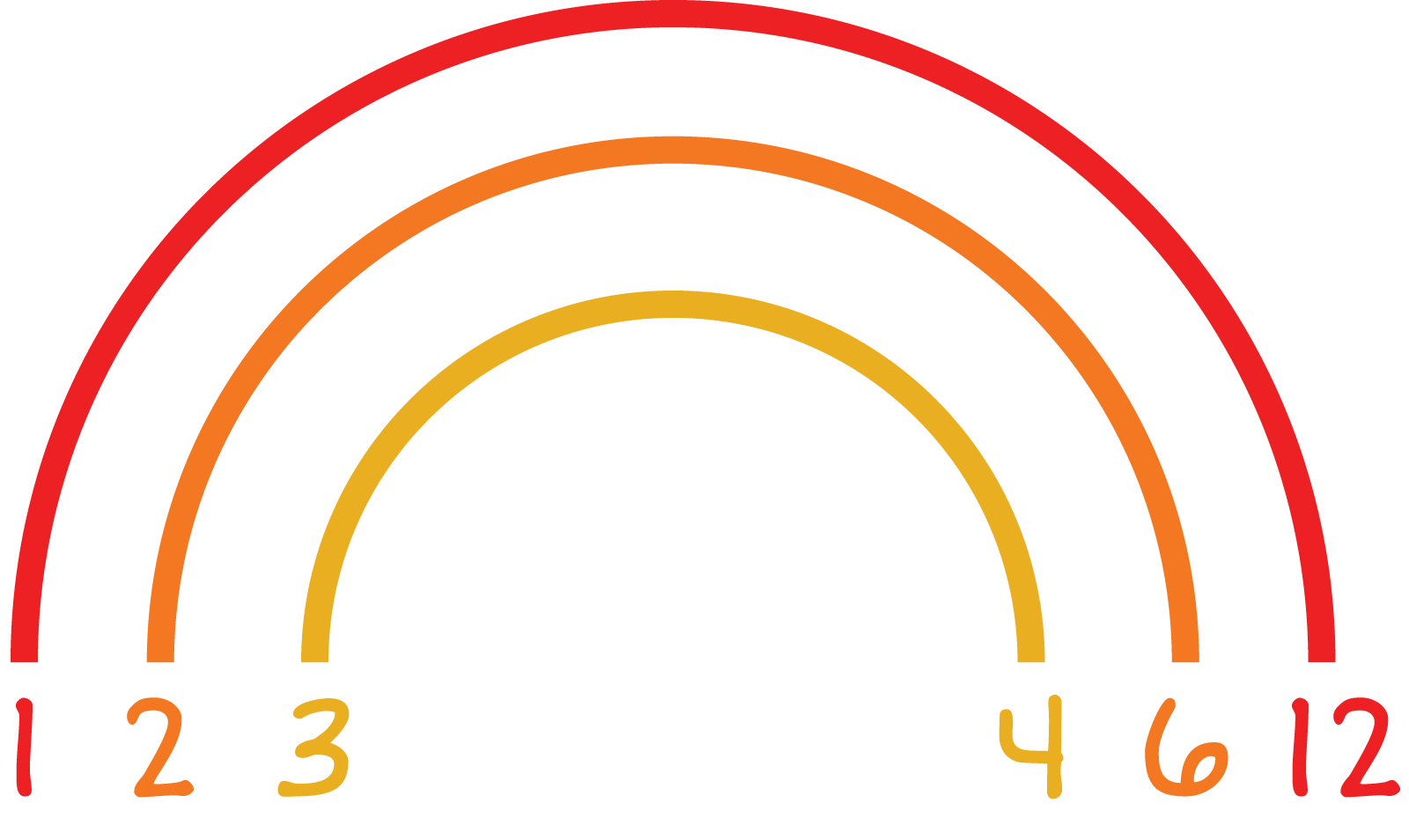
We would next check 4, but we already have 4 in the rainbow. There is no need to go any further. When you get to a number that has already been used in an arch, you have hit the end and you don’t have to list any more.
So, since we have 4 on both side of rainbow, we know we are done. 3 and 4 are factors of 12. The factor rainbow for 12 is complete.
Now that we have found the factors for 10 and 12, let's identify the factors they have in common. Let's circle the factors that are in both the rainbows.
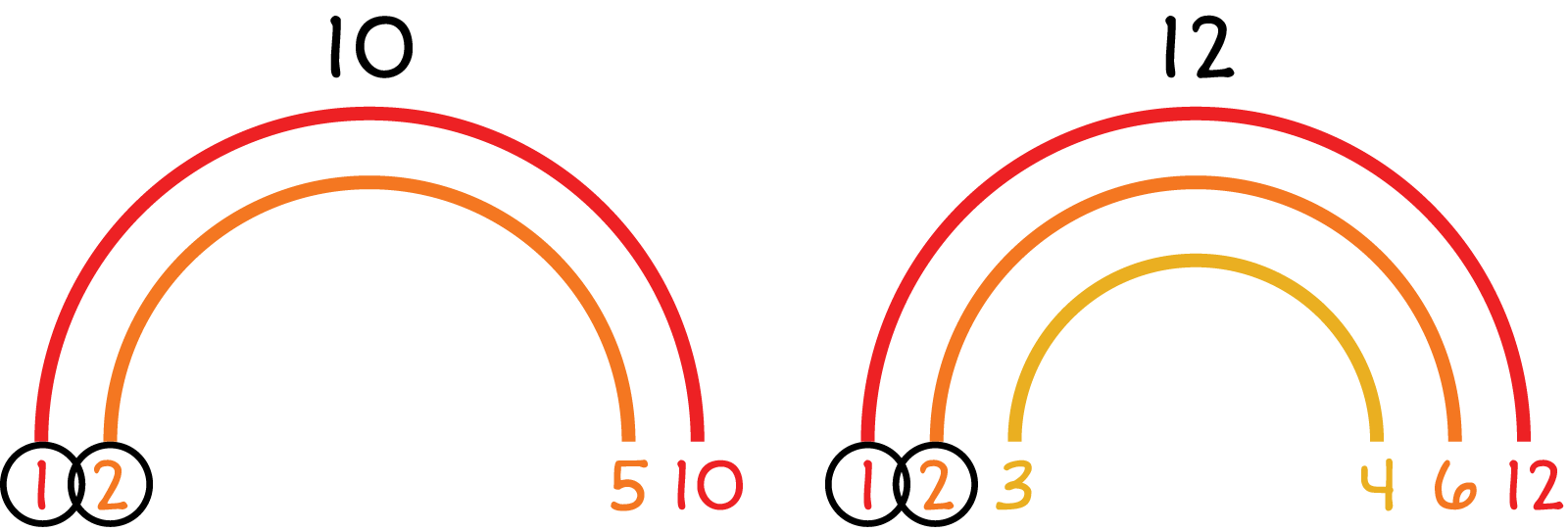 A factor rainbow of 10. 1st Arc 1 and 10. The number 1
is circled. 2nd Arc 2 and 5. The number 2 is circled. A
factor rainbow for 12. 1st Arc 1 and 12. The number 1 is
circled. 2nd Arc 2 and 6 the number 2 is circled. 3rd
arc 3 and 4.
A factor rainbow of 10. 1st Arc 1 and 10. The number 1
is circled. 2nd Arc 2 and 5. The number 2 is circled. A
factor rainbow for 12. 1st Arc 1 and 12. The number 1 is
circled. 2nd Arc 2 and 6 the number 2 is circled. 3rd
arc 3 and 4.
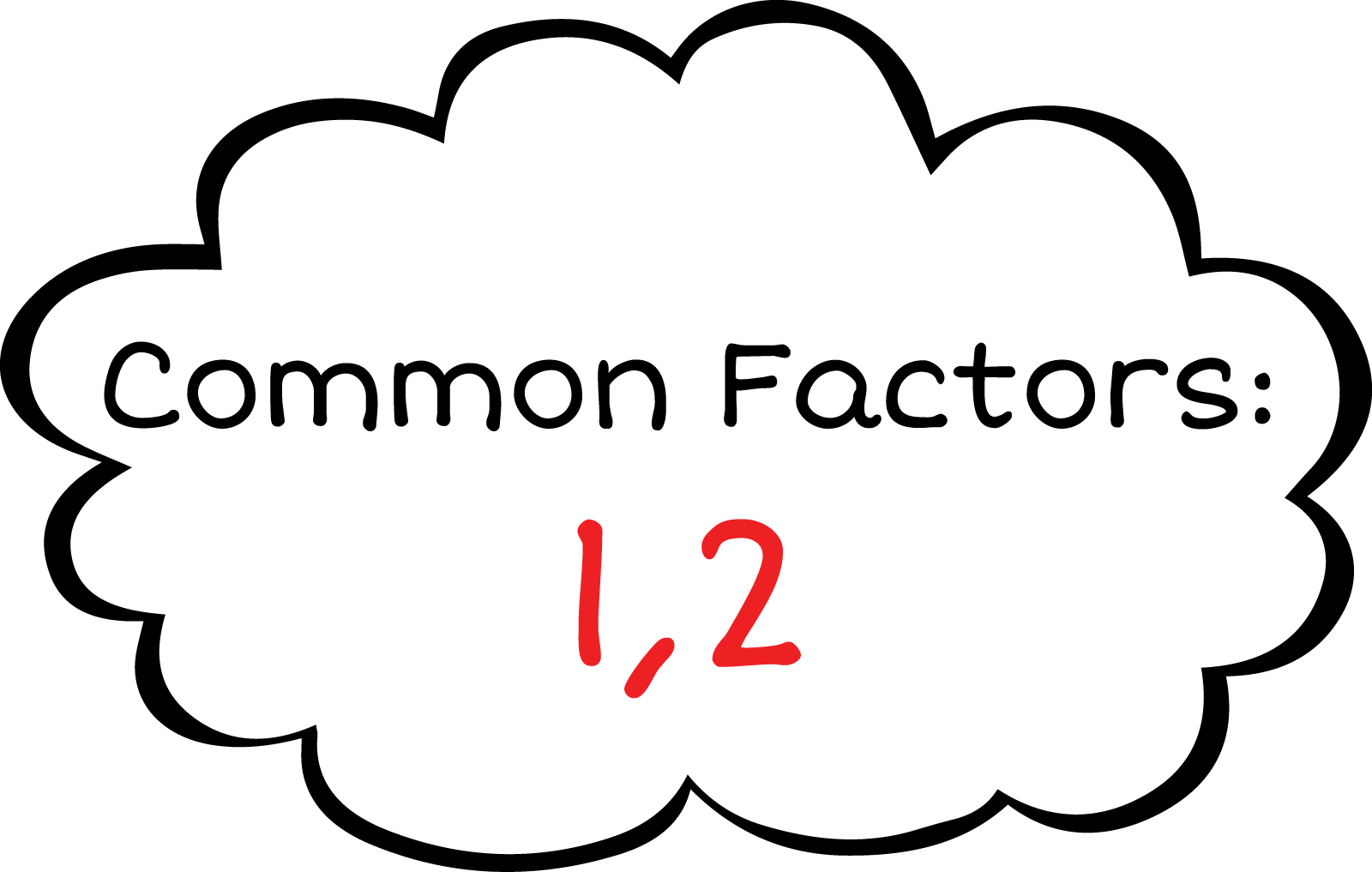 A cloud with the common factors: 1 and 2.
10 and 12 have 1 and 2 as common factors. Now, we need to find the greatest common factor. The greatest common factor (GCF) is the greatest factor of two numbers. Between 1 and 2, which is the greater number? Click the Show Me button to check your answer!
2 is greater than 1, so the GCF for 10 and 12 is the factor 2.
Let’s practice identifying factors of given numbers to find the greatest common factor, using the factor rainbow strategy. You can use a multiplication table to help you find the factor pairs.
Answer each question on your own, then click the question to check your work.
6 and 9
We make the factor rainbow for 6 and then the rainbow for 9.
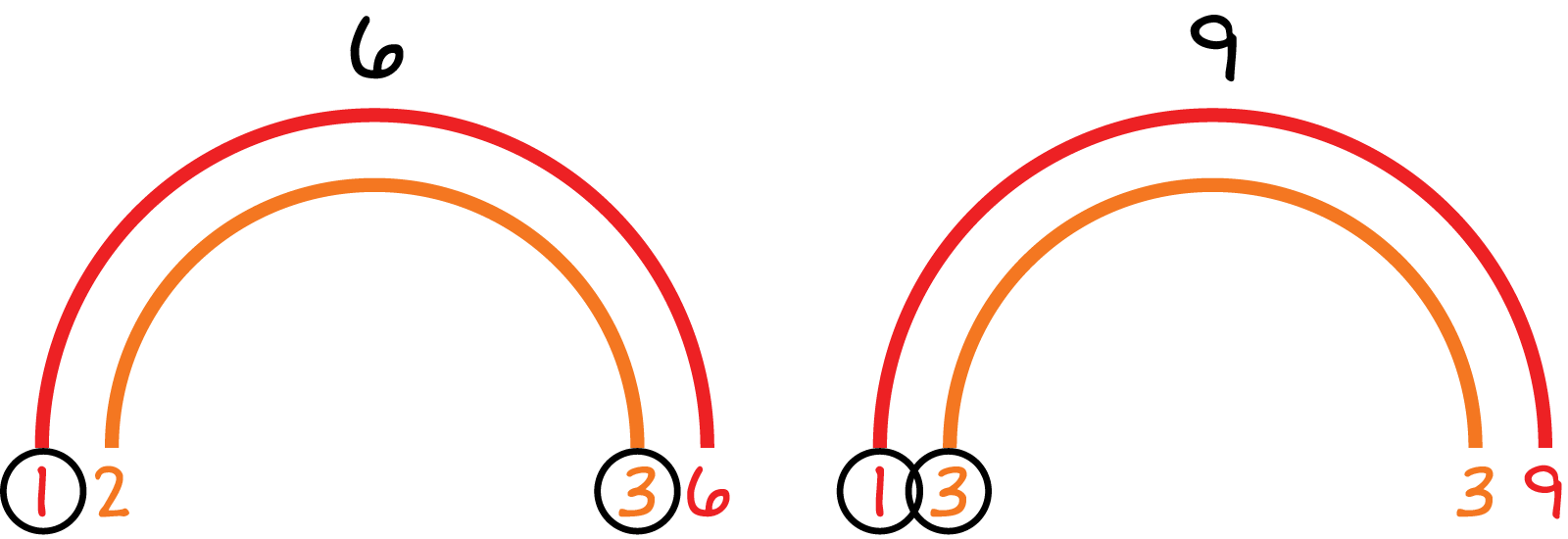 A factor rainbow for 6. 1st arc 1 and 6(the 1 is
circled.), 2nd arc 2 and 3 (the 3 is circled.). A factor
rainbow for 9. 1st arc 1 and 9 (the 1 is circled.), 2nd
arc 3 and 3 (the first 3 is circled.).
A factor rainbow for 6. 1st arc 1 and 6(the 1 is
circled.), 2nd arc 2 and 3 (the 3 is circled.). A factor
rainbow for 9. 1st arc 1 and 9 (the 1 is circled.), 2nd
arc 3 and 3 (the first 3 is circled.).
Then, we look at the factors that are common to both and list them.
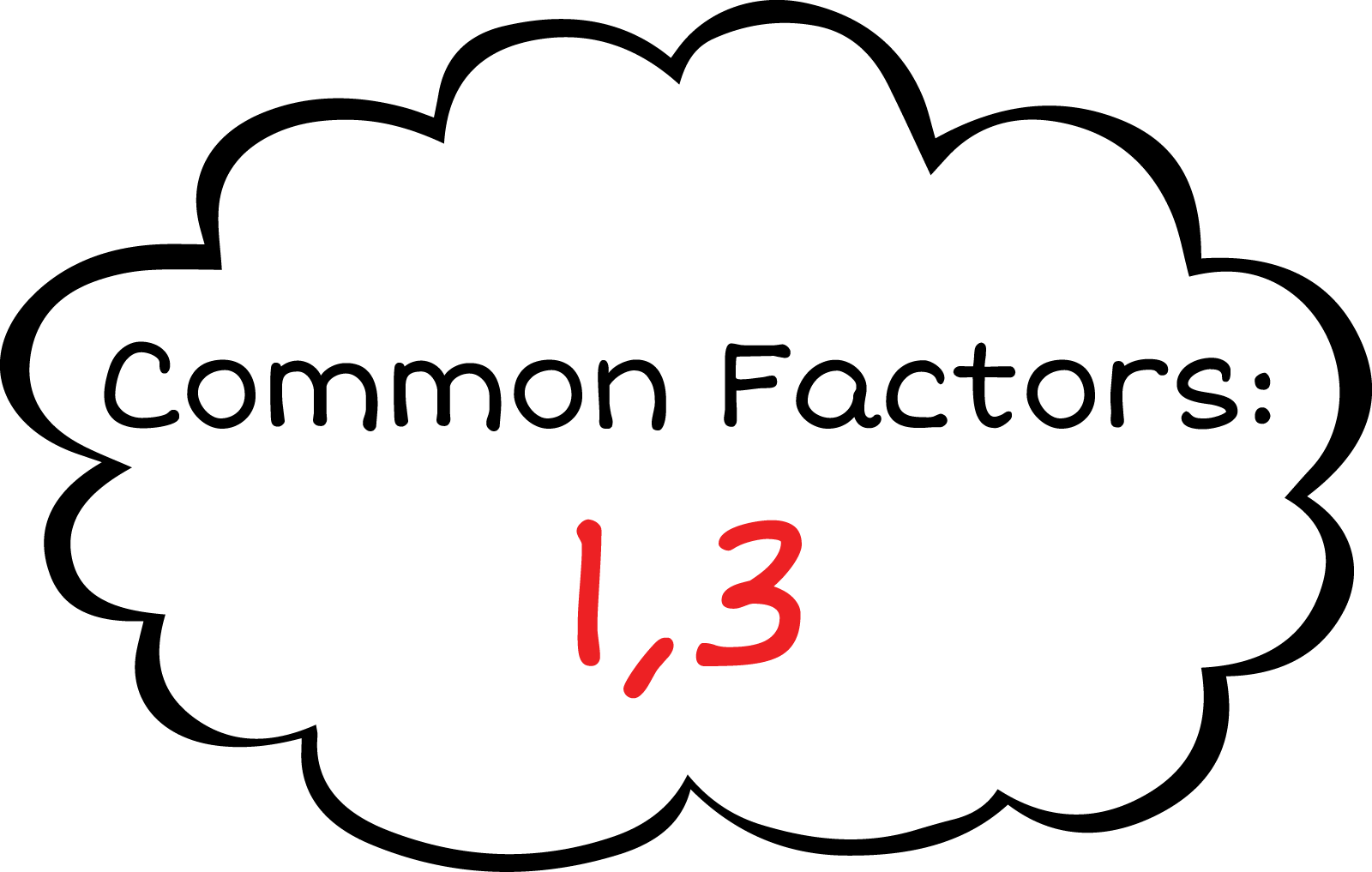
Then, we find the greatest number in the common factors. That is the greatest common factor (GCF).
GCF: 3
7 and 14
We make the factor rainbow for 7 and then the rainbow for 14.
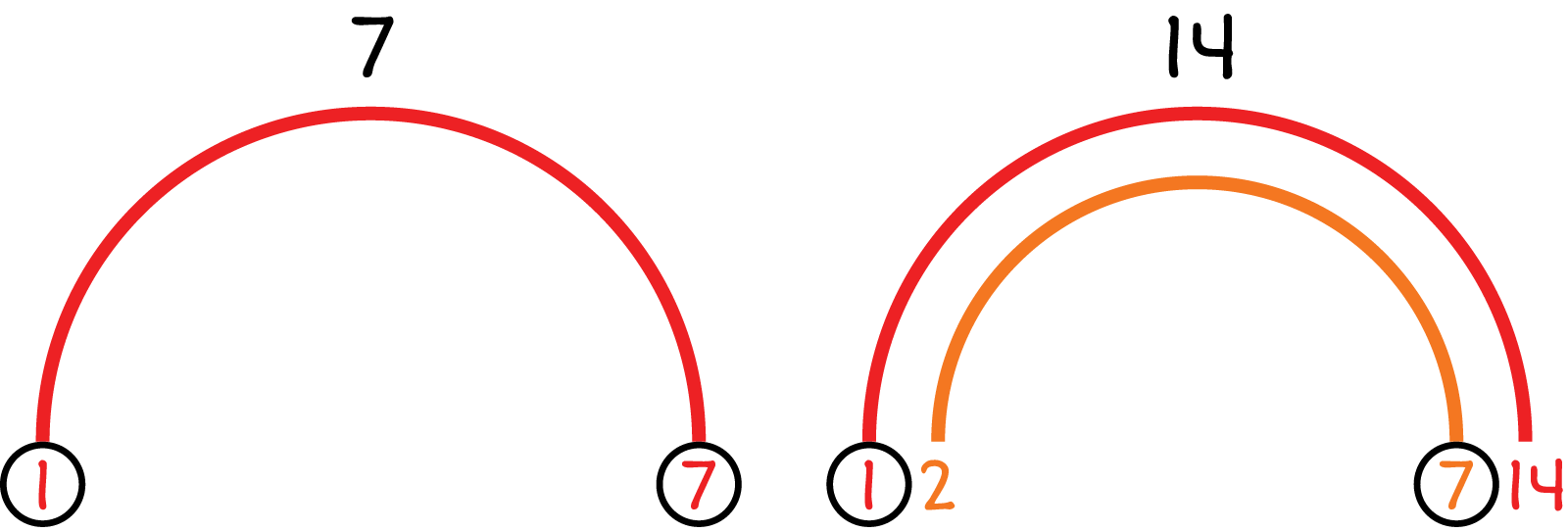 A factor rainbow for 7. 1st arc 1 and 7(the 1 and the 7
are circled.), A factor rainbow for 14. 1st arc 1 and 14
(the 1 is circled.), 2nd arc 2 and 7 (the 7 is
circled.).
A factor rainbow for 7. 1st arc 1 and 7(the 1 and the 7
are circled.), A factor rainbow for 14. 1st arc 1 and 14
(the 1 is circled.), 2nd arc 2 and 7 (the 7 is
circled.).
Then, we look at the factors that are common to both and list them.
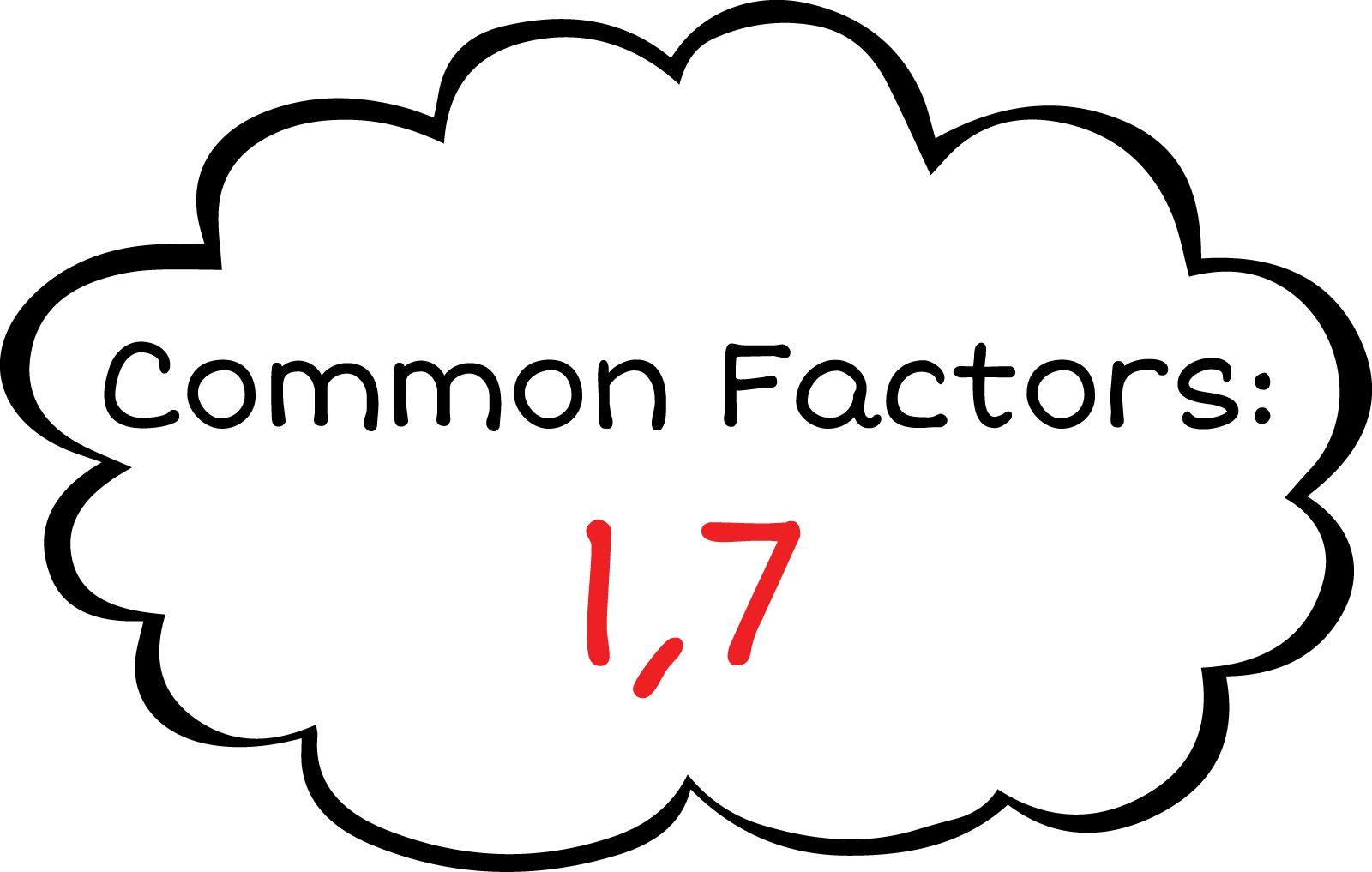
Then, we find the greatest number in the common factors and that is the greatest common factor (GCF).
GCF: 7
8 and 18
We make the factor rainbow for 8 and then the rainbow for 18.
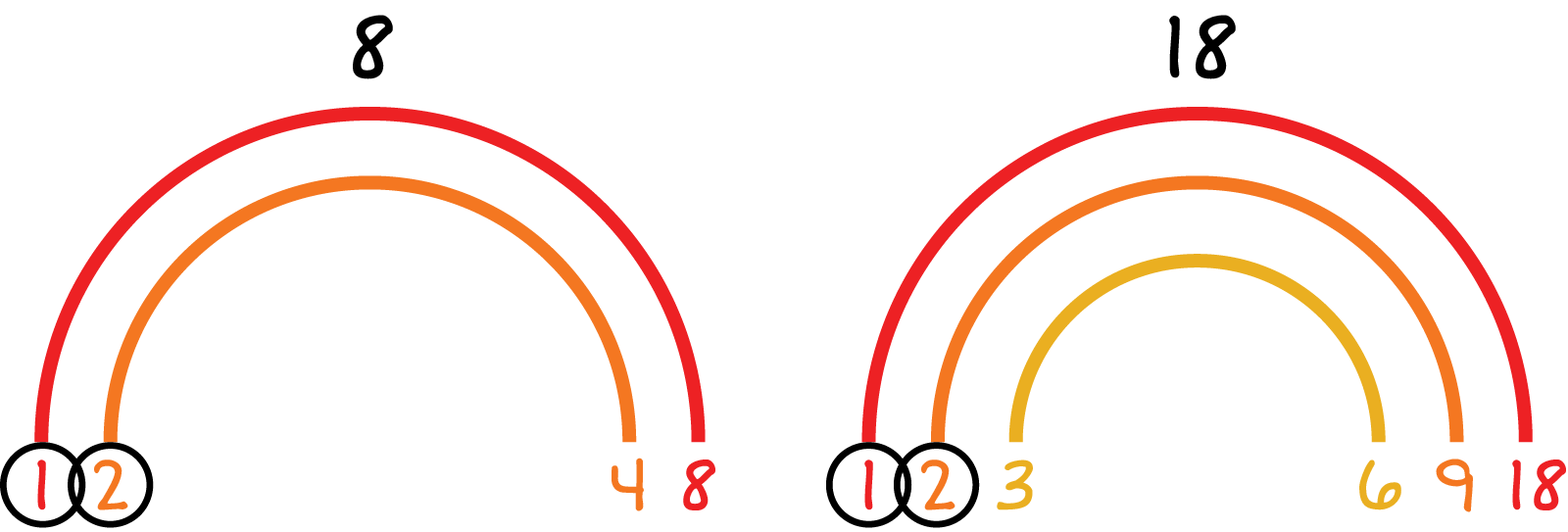 A factor rainbow for 8. 1st arc 1 and 8(the 1 is
circled.) 2nd arc 2 and 4 (the 2 is circled.), A factor
rainbow for 18. 1st arc 1 and 18 (the 1 is circled.),
2nd arc 2 and 9 (the 9 is circled.) 3rd arc 3 and 6.
A factor rainbow for 8. 1st arc 1 and 8(the 1 is
circled.) 2nd arc 2 and 4 (the 2 is circled.), A factor
rainbow for 18. 1st arc 1 and 18 (the 1 is circled.),
2nd arc 2 and 9 (the 9 is circled.) 3rd arc 3 and 6.
Then, we look at the factors that are common to both and list them.
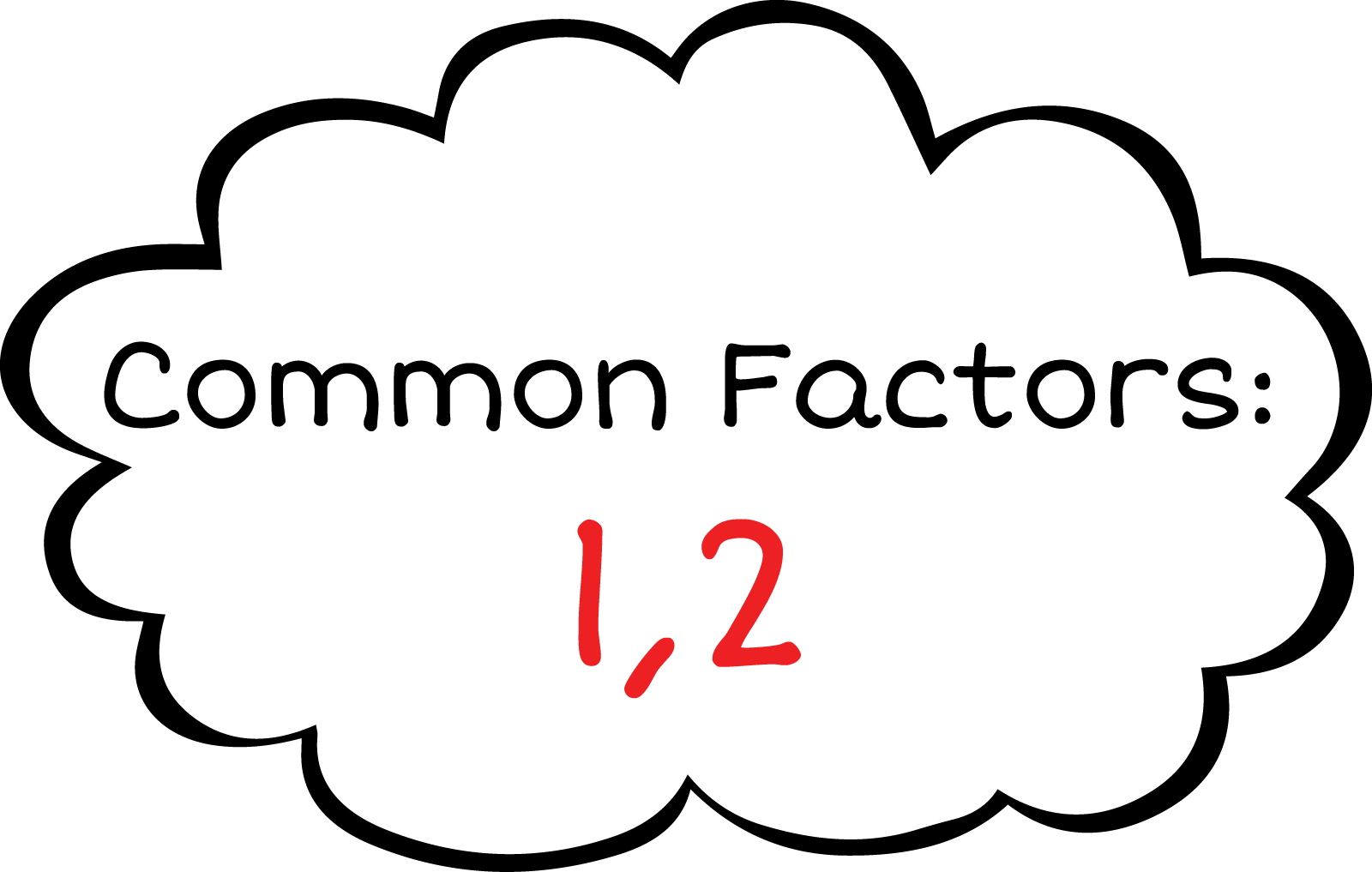
Then, we find the greatest number in the common factors and that is the greatest common factor (GCF).
GCF: 2
Question
What is the greatest common factor of 9 and 21?
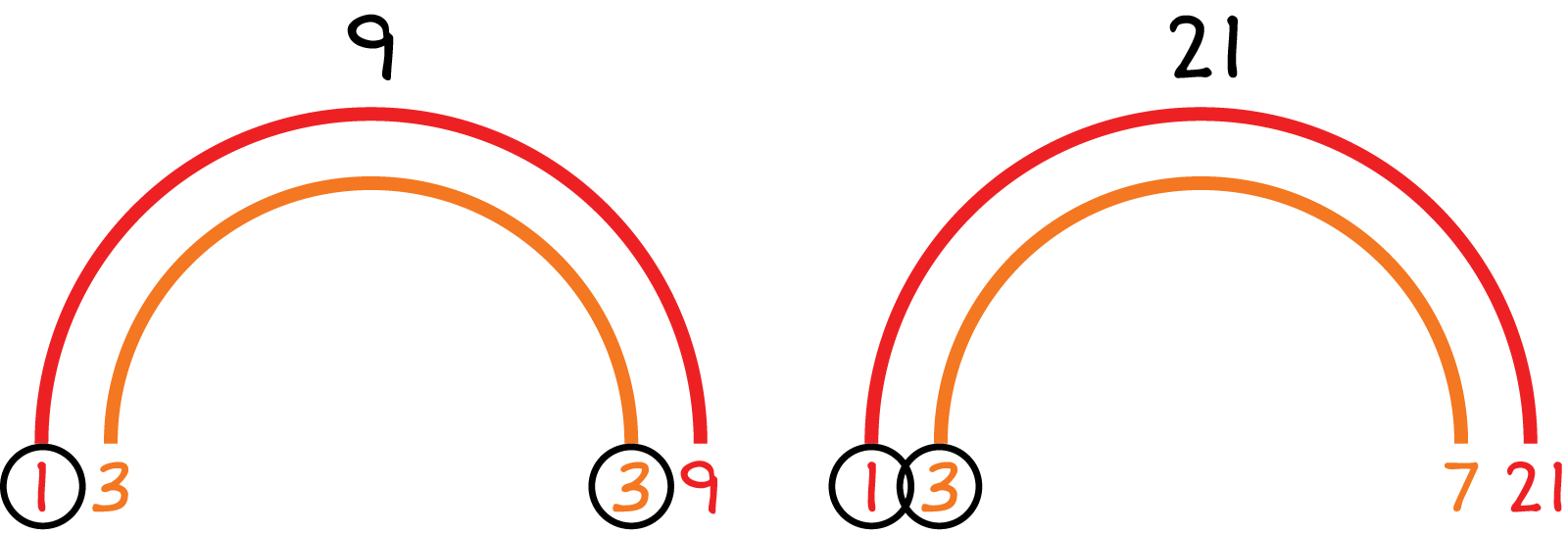 A factor rainbow for the number 9. 1st arc 1 and 9. The
1 is circled. 2nd arc 3 and 3 (the second 3 is circled.)
A factor rainbow for the number 21. 1st arc 1 and 21 (1
is circled.) 2nd arc 3 and 7. The 3 is circled.
A factor rainbow for the number 9. 1st arc 1 and 9. The
1 is circled. 2nd arc 3 and 3 (the second 3 is circled.)
A factor rainbow for the number 21. 1st arc 1 and 21 (1
is circled.) 2nd arc 3 and 7. The 3 is circled.
GCF: 3