Thunderstorms and Rainbows
What are some facts about thunderstorms and rainbows?
Goal:
Goal:
There is a lot to know about thunderstorms and what can happen after they are over. Click through the slides to learn about thunderstorms and the rainbows that may happen after.
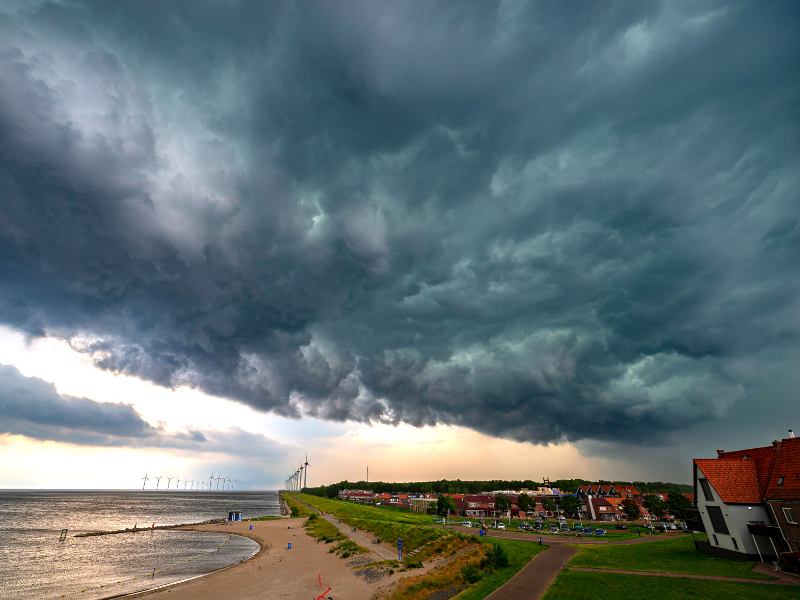
How Thunderstorms Form
Warm air and moisture rise into the sky and forms clouds. The clouds fill up with water and sometimes electricity. As the clouds get bigger, the sky gets darker because the clouds block the sun. When the clouds become full of water, rain falls, and lightning strikes the earth.
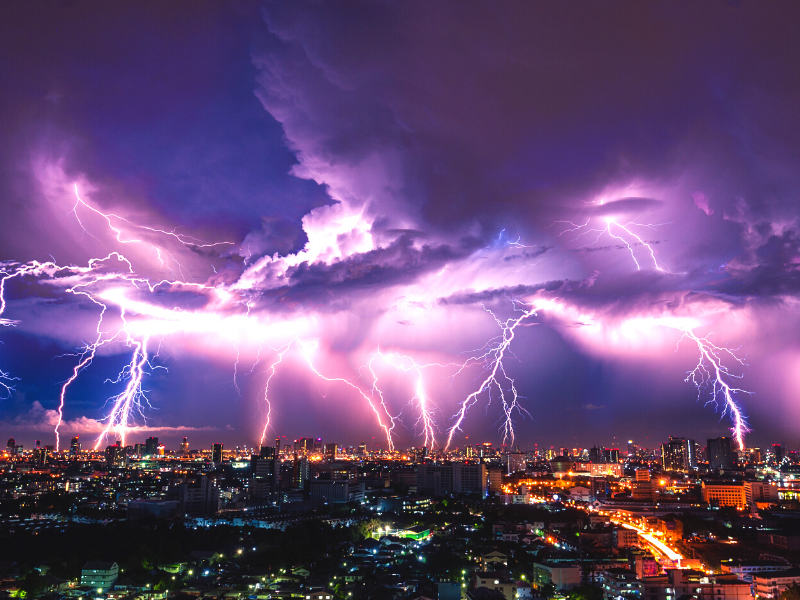
Thunder and Lightning
Lightning is a big flash of electricity, and thunder is the sound that the lightning makes. Because light travels faster than sound, we see the lightning first, and we hear the thunder afterward. The longer the time between the lightning and the thunder, the farther away the lightning is. The shorter the time between the two, the closer the lightning is.
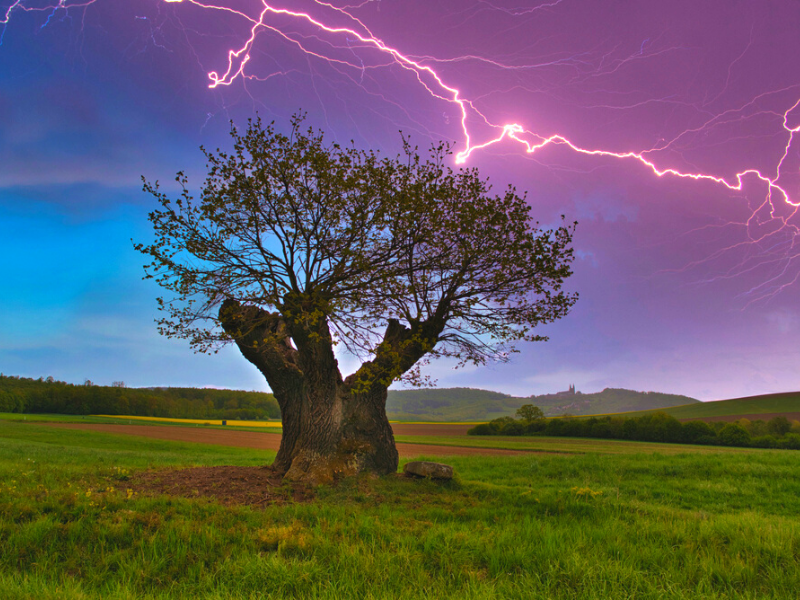
Staying Safe
Lightning is electricity and is very hot. Lightning can also be dangerous if you are outside during a thunderstorm. That is why if you hear thunder, it is time to go inside. Stay inside until the thunder and lightning stop. That will keep you safe during a storm.
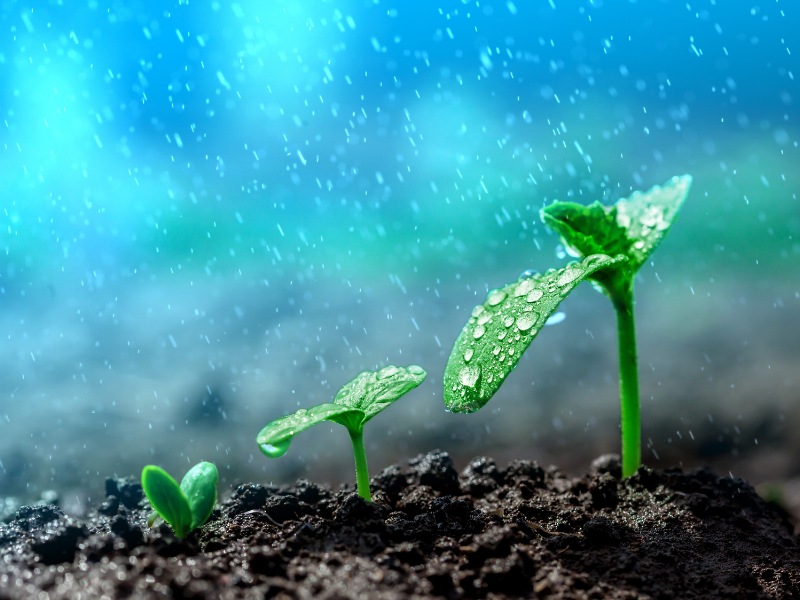
Great Things About Thunderstorms
Storms can sometimes be dangerous, but they are also very helpful. Thunderstorms are great for plants because they get watered by the rain. The storms also move water from one place to another. Thunderstorms also make the air cooler with wind and rain.
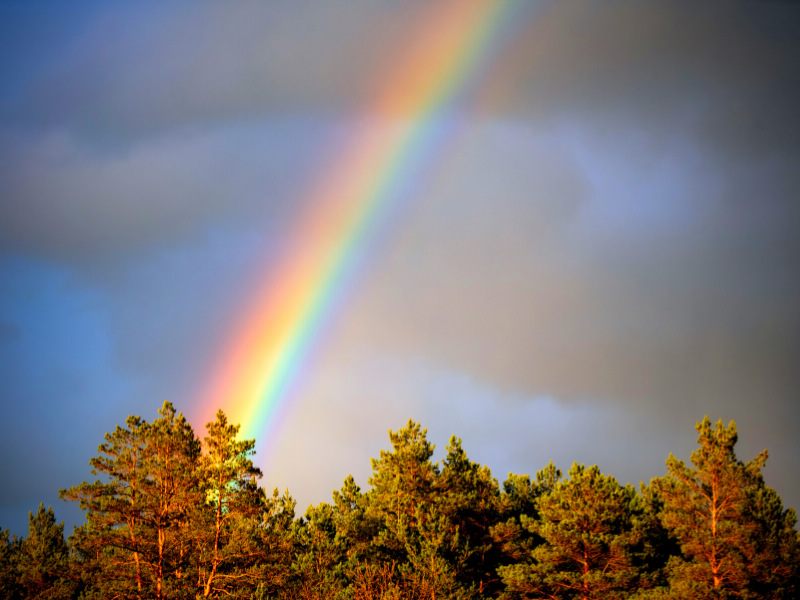
Rainbows
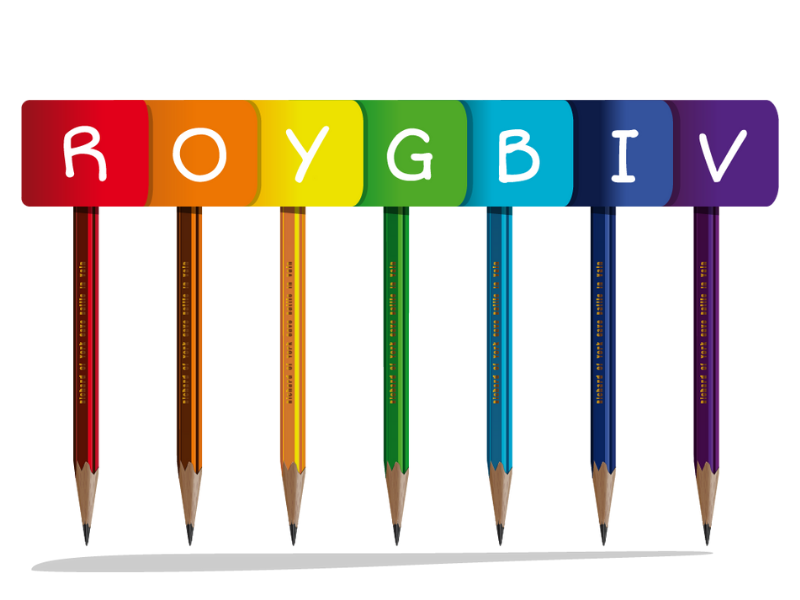
Sometimes, you can see a rainbow after a thunderstorm. Rainbows are created when water droplets (rain) in the air bend and reflect light. The seven colors of the rainbow, in order, are red, orange, yellow, green, blue, indigo, and violet. The name ROY G BIV is a good way to remember these colors and their correct order.
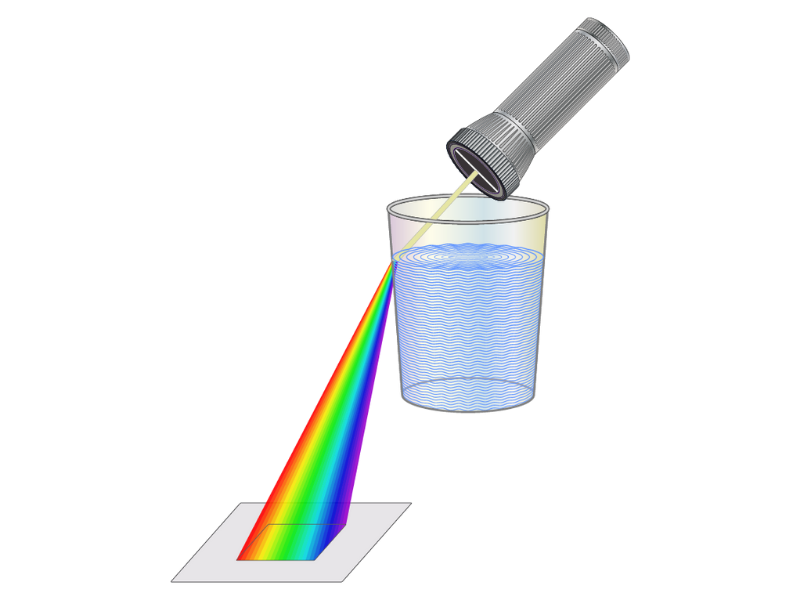
Make Your Own Rainbow!
You will need a glass of water (about three quarters full), a piece of white paper, and a sunny day.
Steps:
- Take the glass of water and paper to a part of the room with sunlight (near a window is good).
- Hold the glass of water (be careful not to spill it!) above the paper and watch as sunlight passes through the glass of water, refracts (bends), and forms a rainbow of colors on your sheet of paper.
- Try holding the glass of water at different heights and angles to see if it has a different effect.
Question
Why do we see lightning before we hear thunder?
We see lightning first because light travels faster than sound.