Let’s Learn!
How do you define, identify, and draw angles in shapes?
Goal:
Goal:

Think About It!
Goal: Define, identify, and draw angles.
Let's follow along with Caleb as he draws the angles he sees. Click through the slides below to see what Caleb has found on his trip!
The first thing that Caleb notices on his trip is the sun ☀️ . He notices that the sun has rays. A ray is part of a straight line with one endpoint and an arrow. The arrow means that there is no end to that line. It is continuous in one direction.
Click the drawing to learn more about the sun's rays.

Caleb is going to record all he sees on his trip in his journal. He starts by drawing a ray like this.
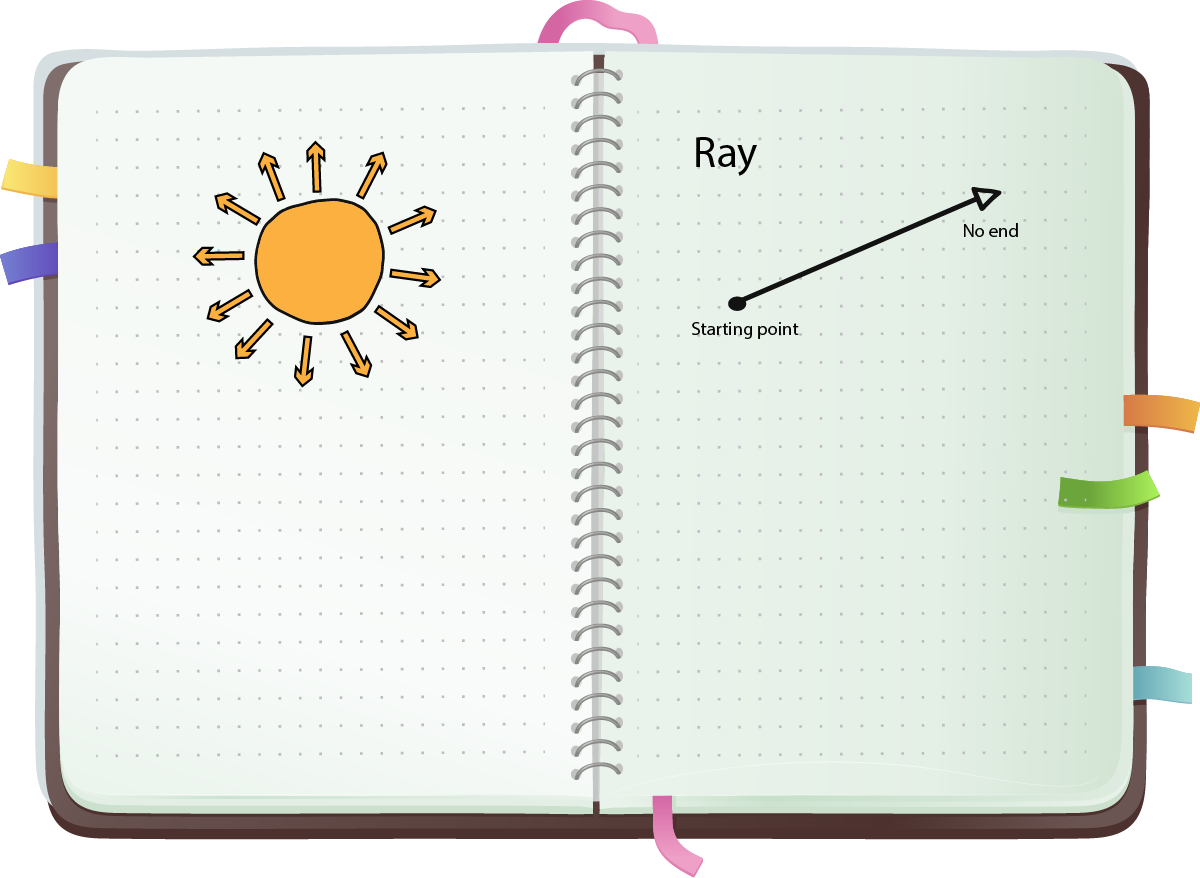
A ray is part of a straight line with one endpoint and an arrow.
Draw a ray in your notebook too! Write the definition beside your drawing.
Next, Caleb sees an angle on his suitcase. Did you know that when two rays meet at the same endpoint, they form an angle? An angle is formed when two rays have the same endpoint. Click Caleb’s suitcase to see an angle.

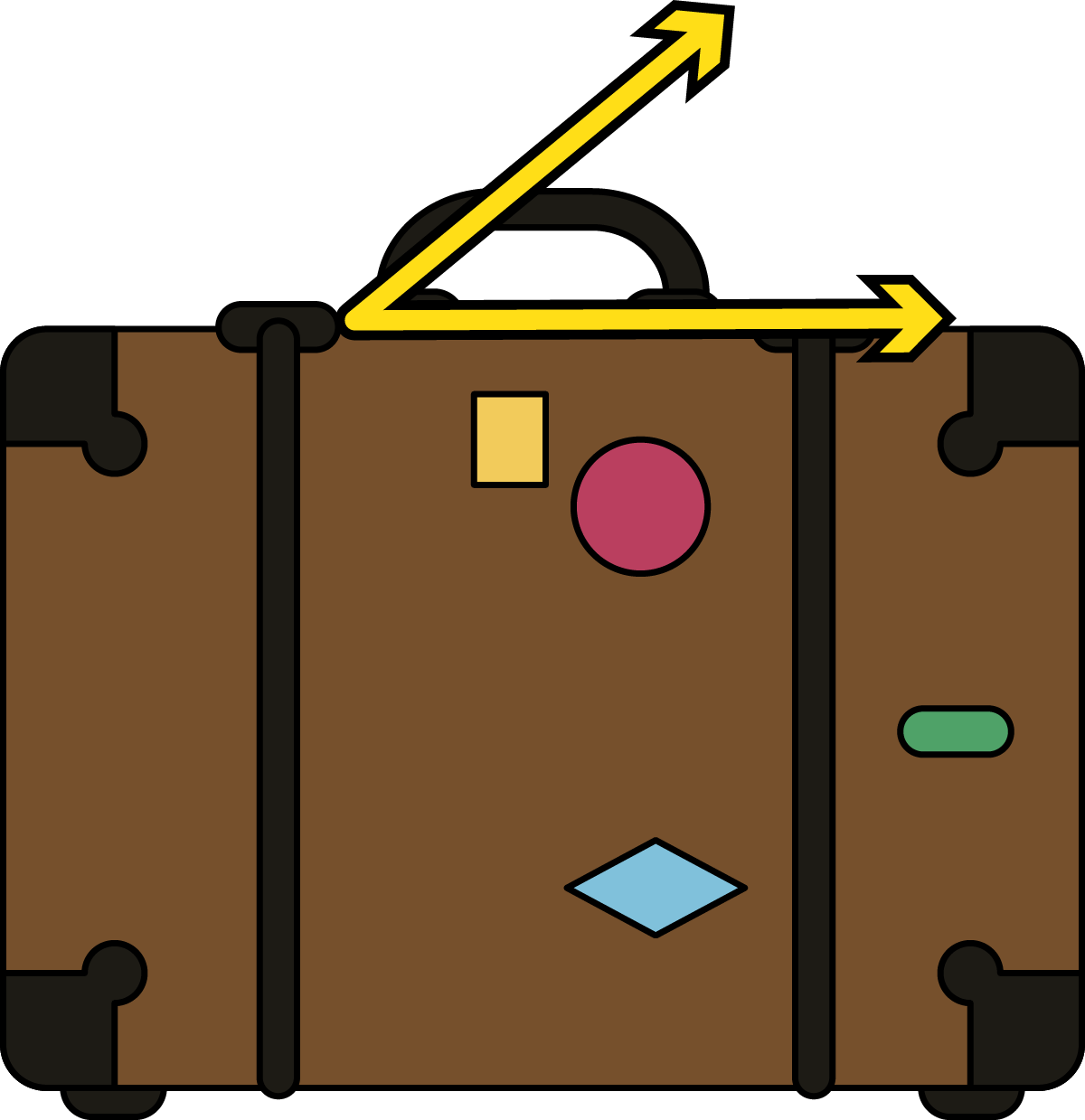
Here it is in Caleb’s journal. Caleb drew this angle by drawing a ray and then another ray from the same beginning point.
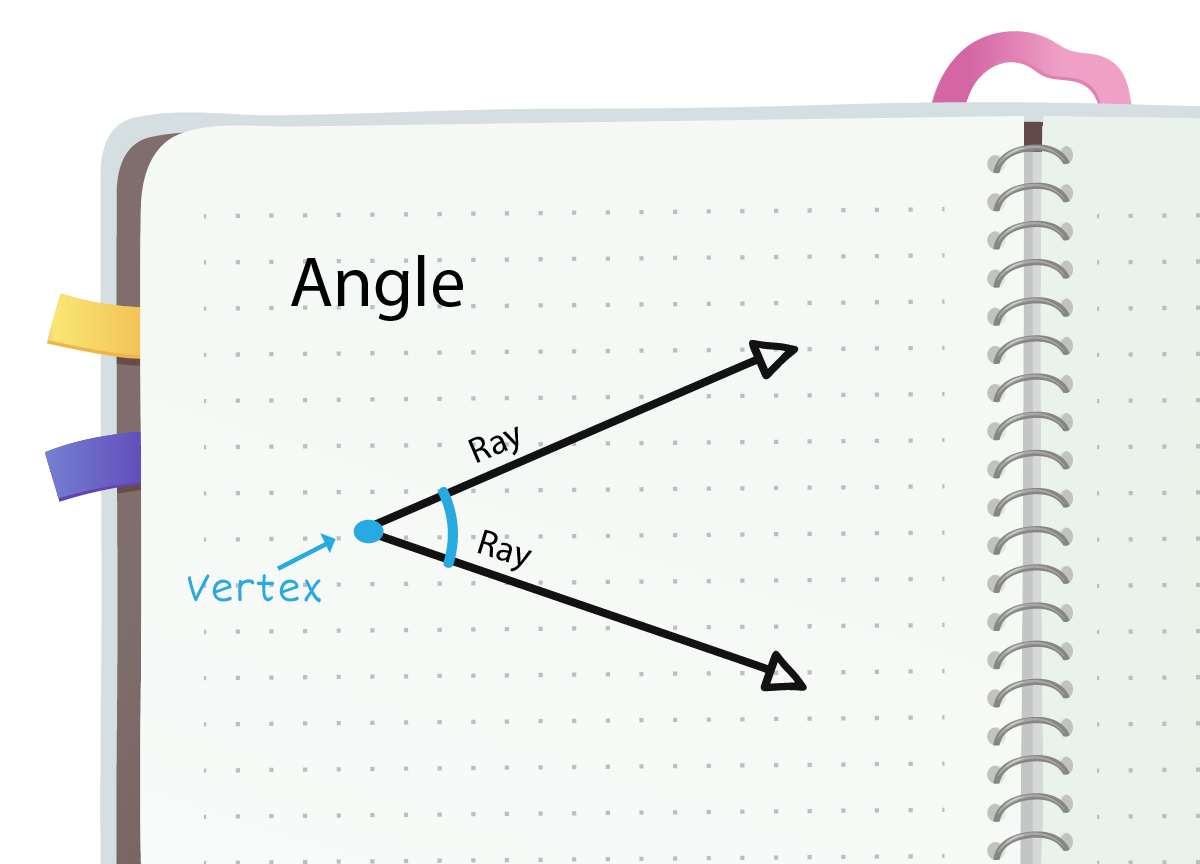
An angle is formed when two rays have the same endpoint called a vertex.
Draw an angle in your notebook. Write the definition beside it.
Now it is time to follow Caleb to the next continent! 🛫
Here is the Avenue of Baobabs in Madagascar! Caleb found some right angles. A right angle is an angle that forms a square corner and measures 90 degrees.
Click on the image to see the right angle that Caleb found.


Notice the angle forms a square corner. This angle is a right angle.
Caleb draws the right angle he saw in Madagascar in his journal!
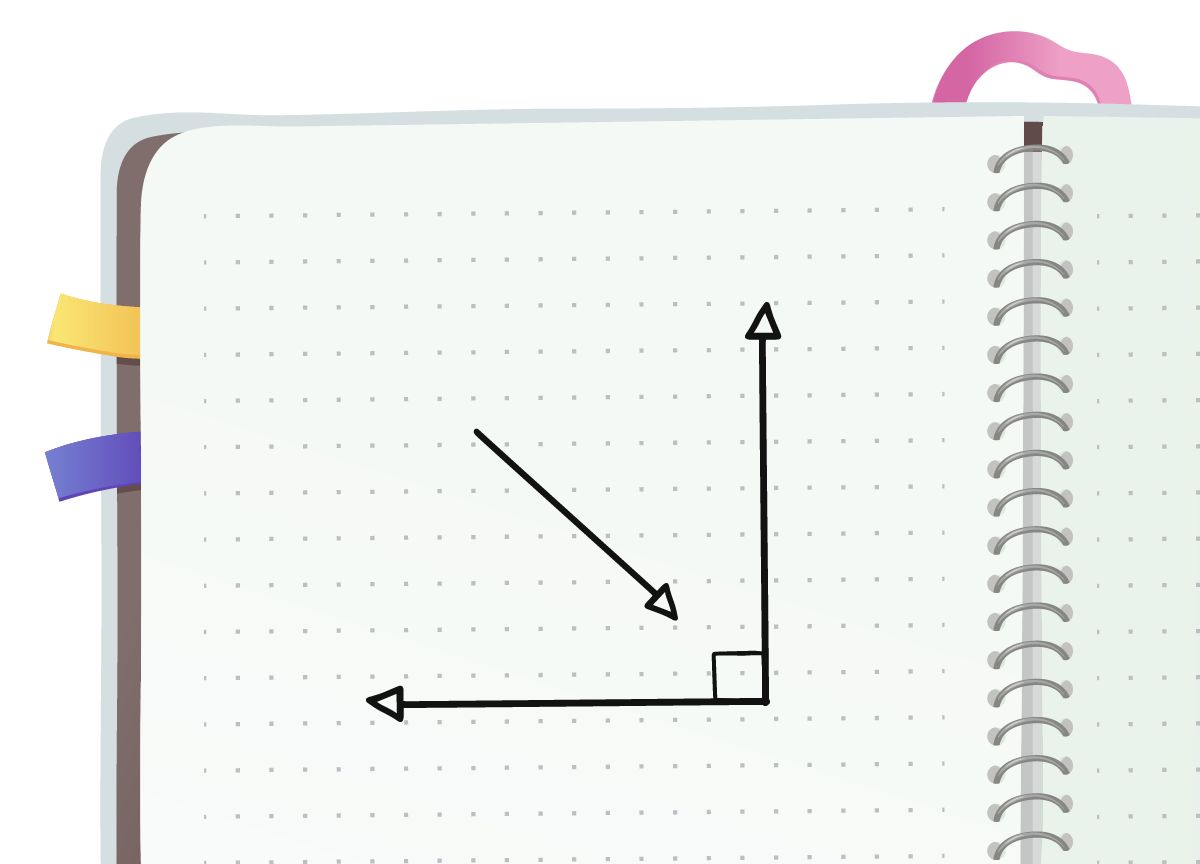
This angle forms a right angle. Right angles always measure 90 degrees.
Draw a right angle in your notebook too! Make sure to write down the definition.
Time for Caleb to hop back on the plane and head to Europe! 🛫
Caleb is visiting the Eiffel Tower in Paris! The angle he sees is an acute angle. An acute angle is an angle that is greater than 0 degrees and less than 90 degrees. This means the angle is smaller than a right angle. Click on the picture to see where Caleb sees the acute angle.

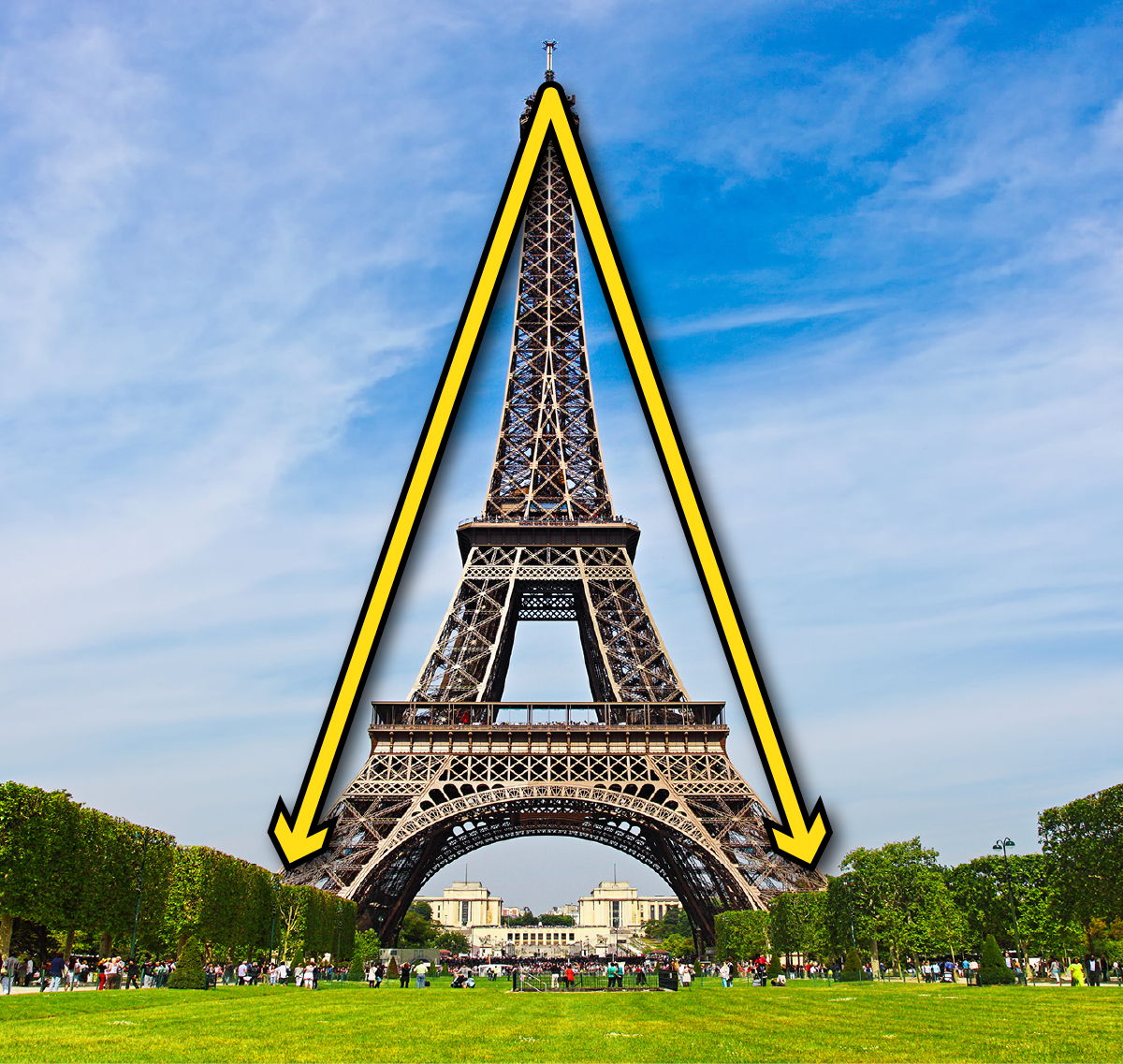
An acute angle is an angle that is greater than 0 degrees and less than 90 degrees. Acute angles are smaller than a square corner, or less than a right angle.
Caleb records the acute angle he saw at Eiffel Tower, in his journal.
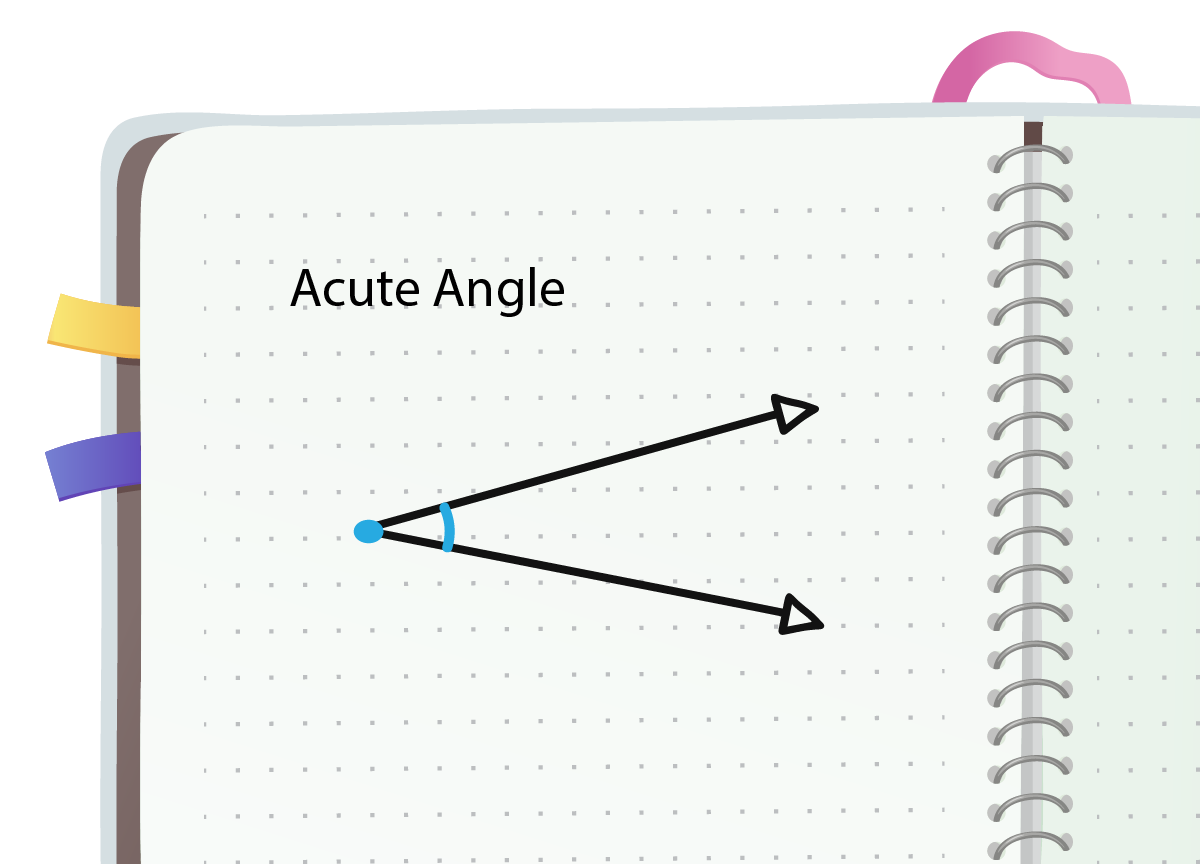
An acute angle is an angle that is greater than 0 degrees and less than 90 degrees.
Draw an acute angle in your notebook. Write the definition too!
There is one more angle Caleb wants to show at the next landmark! 🛫
Caleb sees an obtuse angle when he visits the Colosseum in Rome. An obtuse angle is an angle that is greater than 90 degrees, or greater than a right angle. Click to see the obtuse angle.

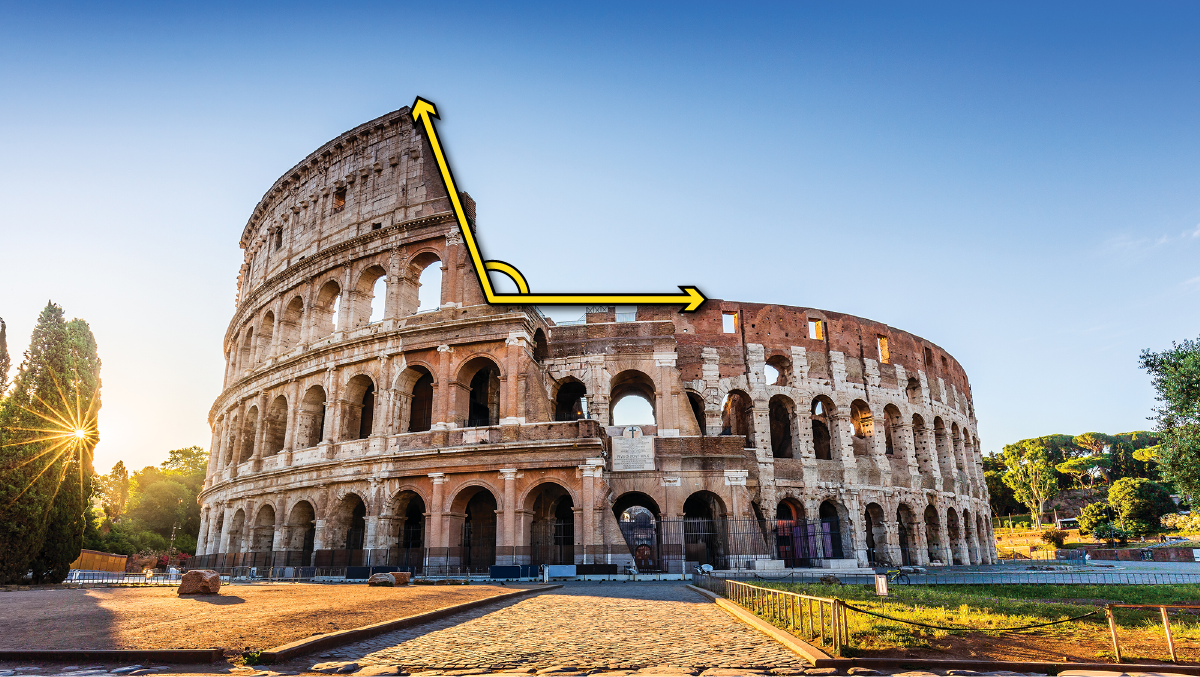
See how Caleb draws the obtuse angle from the colliseum in his journal.
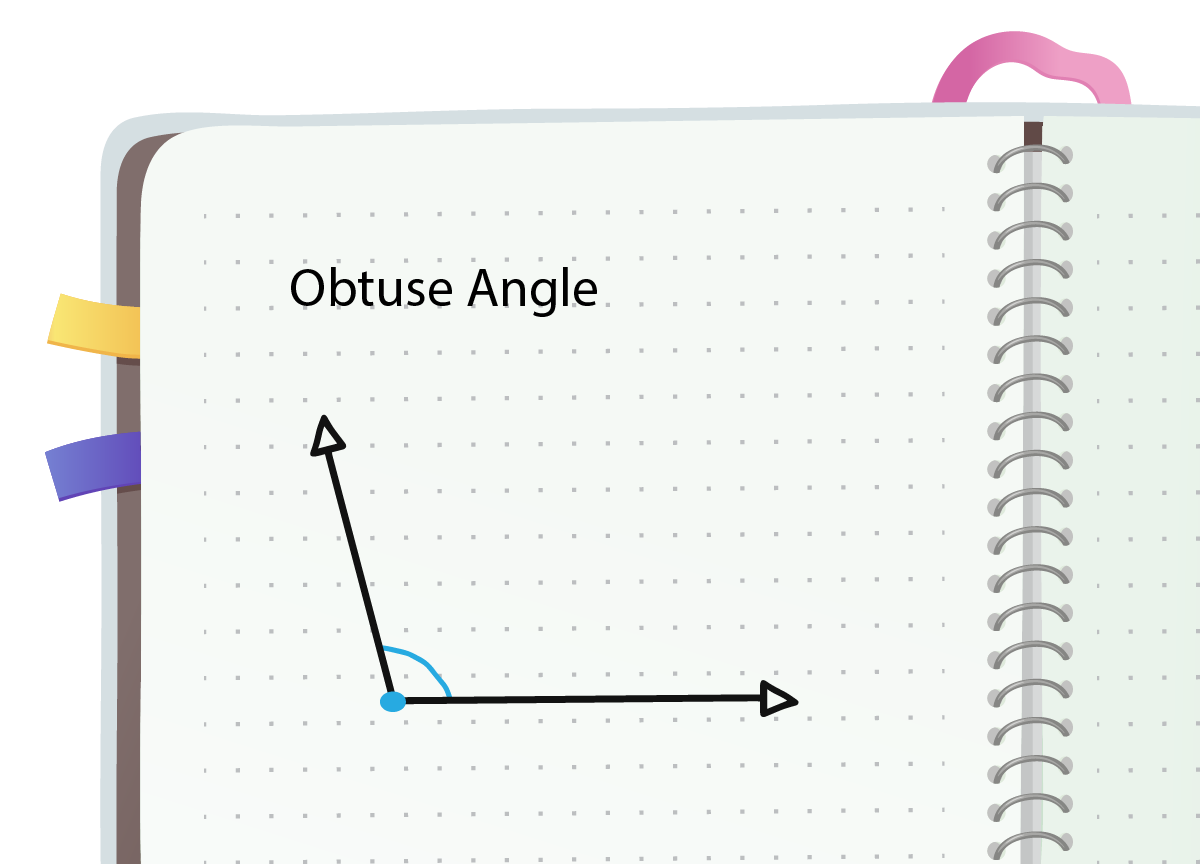
An obtuse angle is an angle that is greater than 90 degrees.
Draw this in your notebook too!
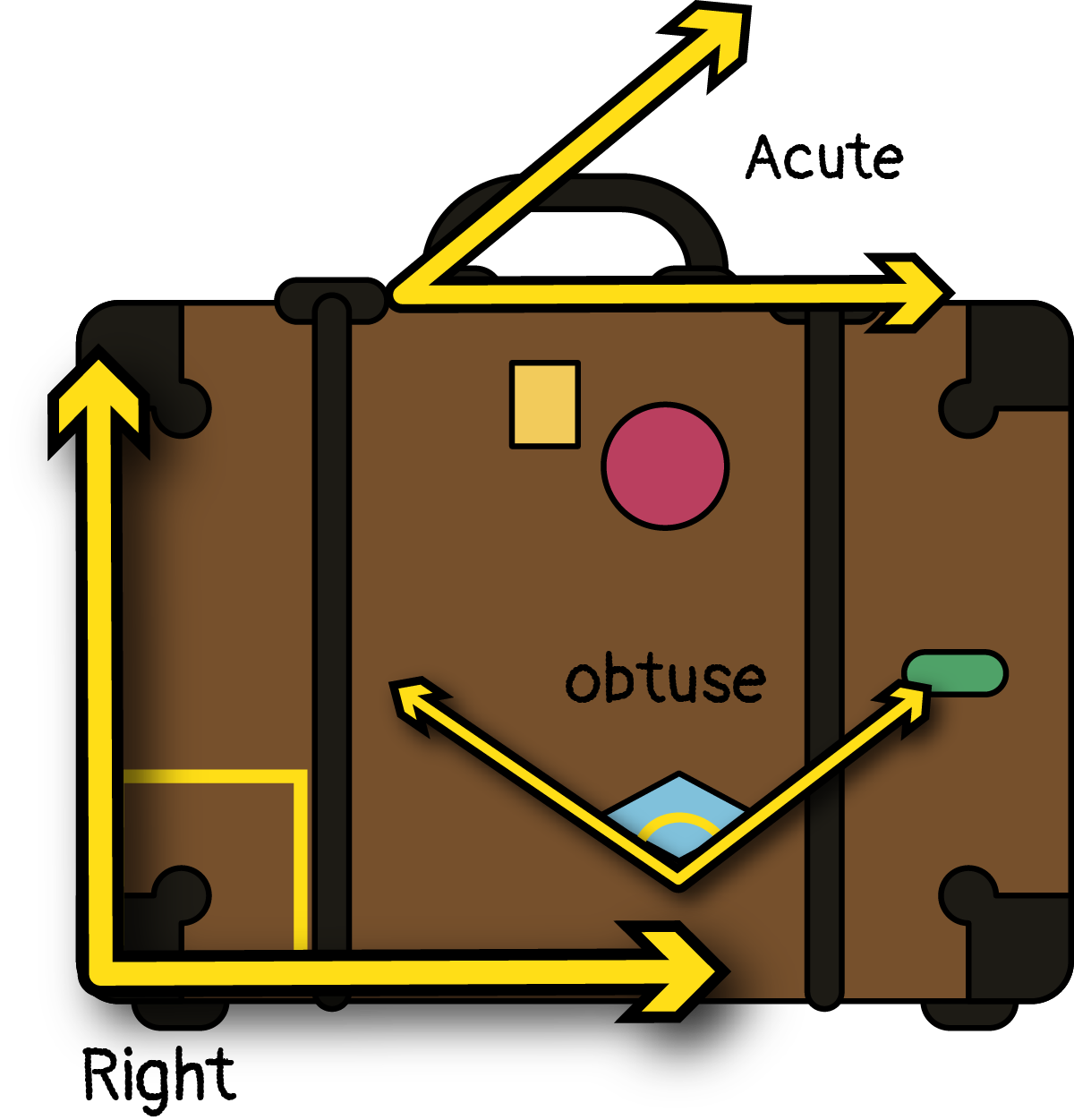
Caleb is having a great trip! He has seen right angles in Africa and acute and obtuse angles in Europe. Now let’s look at Caleb’s suitcase to see if we can find one of each kind of angle! Click the image to check your angles.
Question
What kind of angles do you see?

There is a right angle on the bottom of the suitcase. There is an obtuse angle on one of the shapes on Caleb’s suitcase. There is an acute angle on the handle of the suitcase.