Assess Yourself
How well do you understand the ideas in this lesson?
Goal:
Goal:

Are you ready to take this lesson's quiz? These questions will help you find out. Go back to the lesson if you do not know an answer.
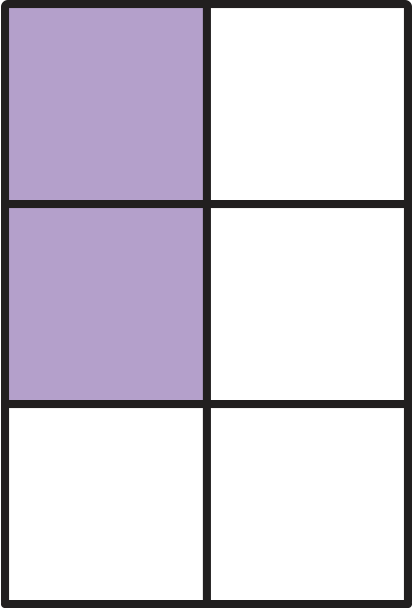
What fraction describes the shaded parts of this partitioned shape?
- \({ \frac{2}{6} }\)
- \({ \frac{4}{6} }\)
- \({ \frac{3}{4} }\)
- \({ \frac{2}{8} }\)
Yes! This fraction is \({ \frac{2}{6} }\) because 2 of the 6 parts are shaded.
Sorry, that is not correct. 2 of the 6 parts are shaded.
Sorry, that is not correct. 2 of the 6 parts are shaded.
Sorry, that is not correct. 2 of the 6 parts are shaded.
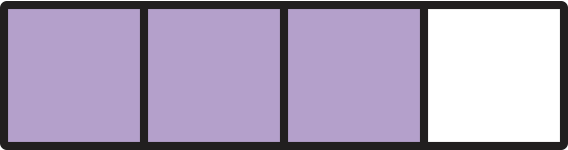
Which fraction matches this partitioned shape?
- one fourth
- three sixths
- seven eighths
- three fourths
Sorry, that is not correct. 3 of the 4 parts are shaded.
Sorry, that is not correct. 3 of the 4 parts are shaded.
Sorry, that is not correct. 3 of the 4 parts are shaded.
Correct! 3 of the 4 parts are shaded.
Which partitioned shape matches this fraction?
\({ \frac{5}{8} }\)
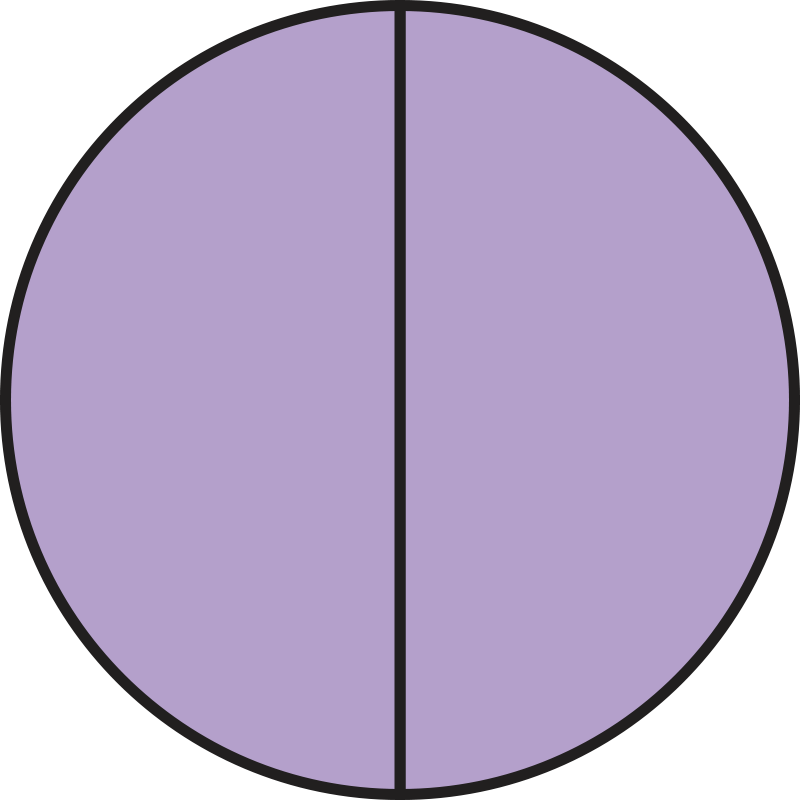
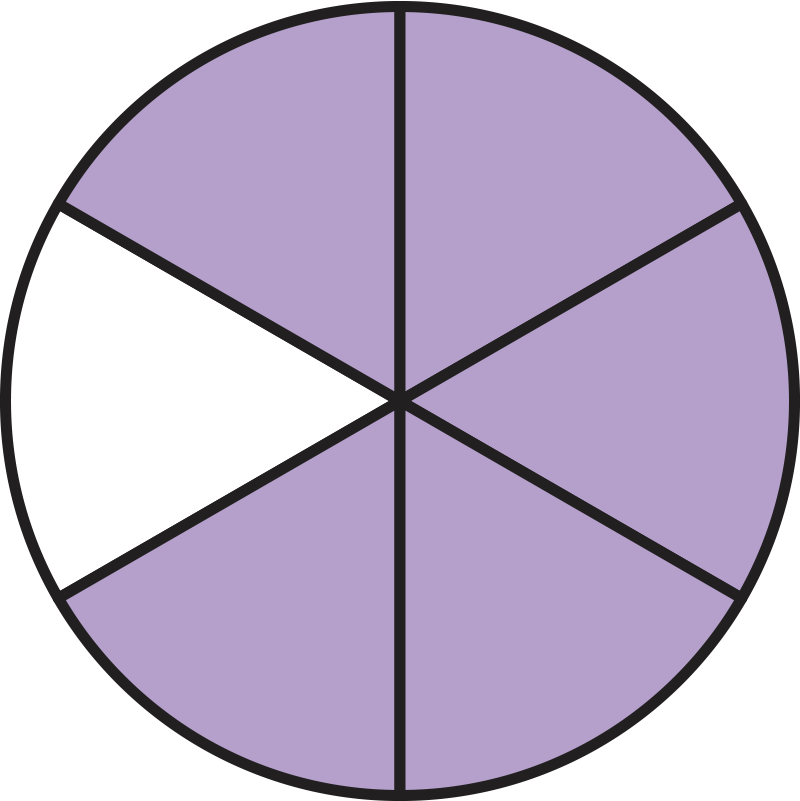
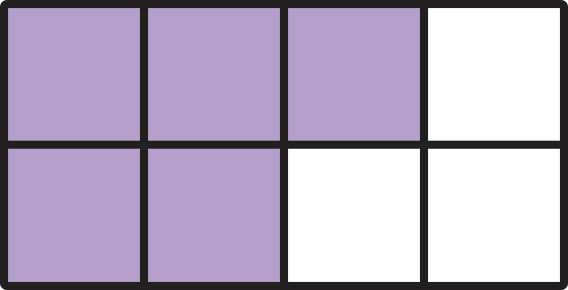
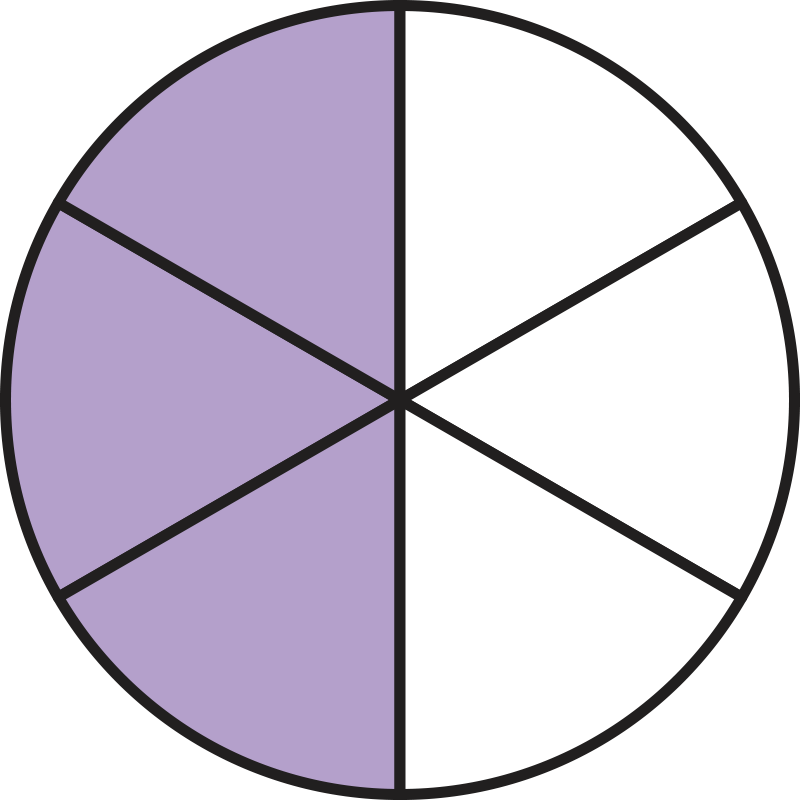
Sorry, that is not correct. The shape should be partitioned into 8 equal parts with 5 shaded parts.
Sorry, that is not correct. The shape should be partitioned into 8 equal parts with 5 shaded parts.
Yes! This shape is partitioned into 8 equal parts, and 5 parts are shaded.
Sorry, that is not correct. The shape should be partitioned into 8 equal parts with 5 shaded parts.
Which statement is true?
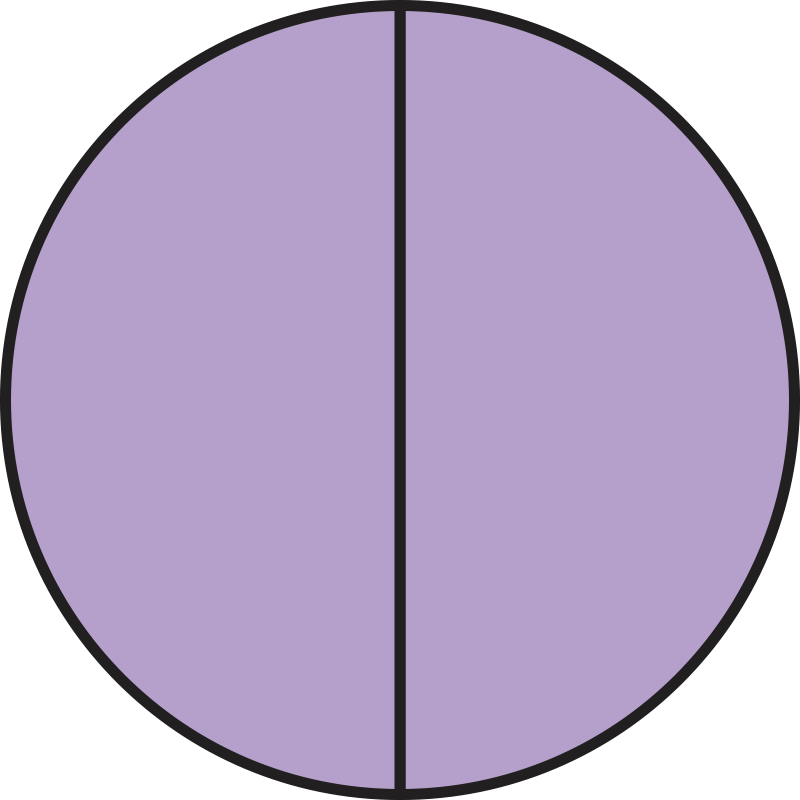
- This partitioned shape shows \({ \frac{3}{4} }\).
- This partitioned shape shows one whole.
- This partitioned shape shows \({ \frac{8}{8} }\).
- This partitioned shape shows two sixths.
Sorry, that is not correct. This shape shows \({ \frac{2}{2} }\), or one whole.
Correct! Both parts of the circle are shaded.
Sorry, that is not correct. This shape shows \({ \frac{2}{2} }\), or one whole.
Sorry, that is not correct. This shape shows \({ \frac{2}{2} }\), or one whole.
Which partitioned shape shows:
\({ \frac{6}{8} }\)
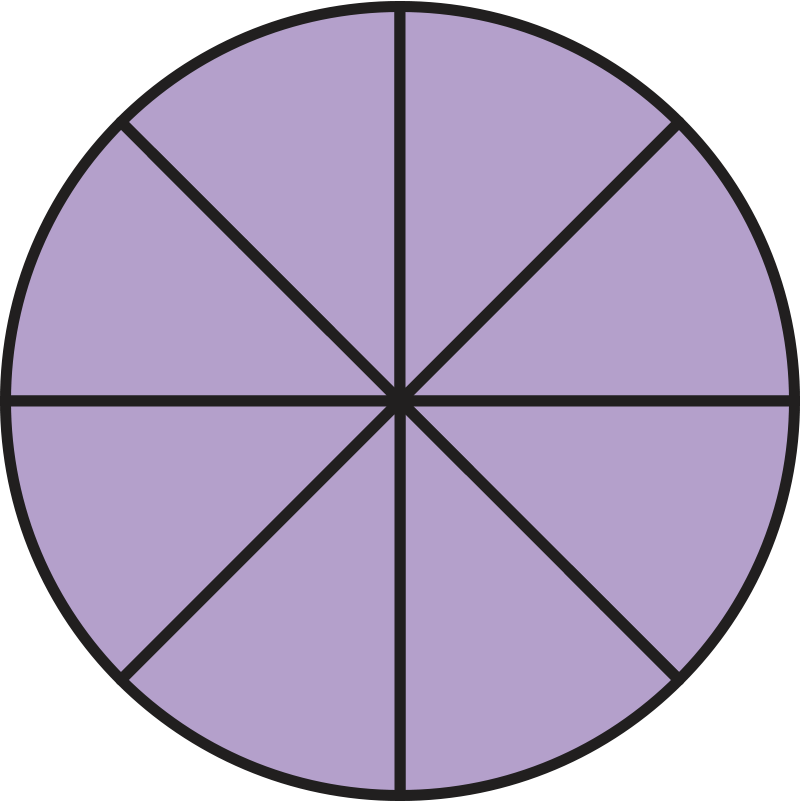
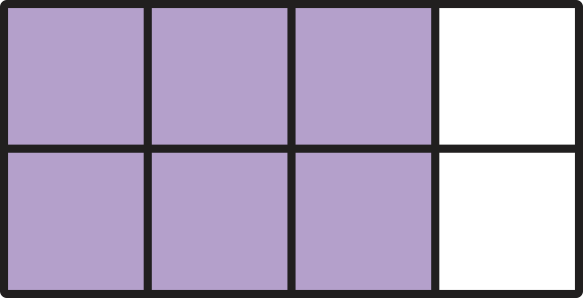
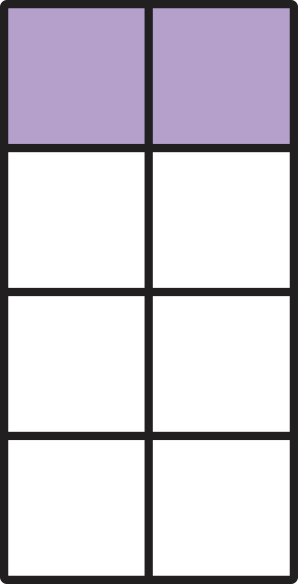
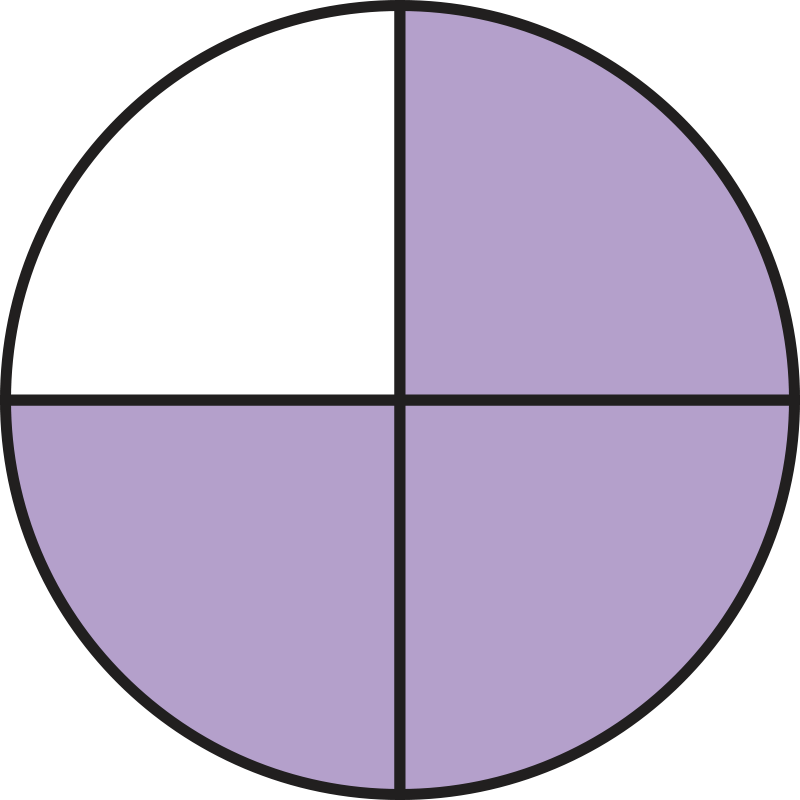
Sorry, that is not correct. This partitioned shape shows \({ \frac{8}{8} }\).
Correct! This partitioned shape shows \({ \frac{6}{8} }\).
Sorry, that is not correct. This partitioned shape shows \({ \frac{2}{8} }\).
Sorry, that is not correct. This partitioned shape shows \({ \frac{3}{4} }\).
What fraction describes the shaded parts of this partitioned shape?
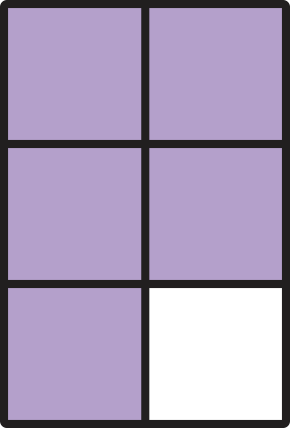
- \({ \frac{3}{4} }\)
- \({ \frac{6}{8} }\)
- \({ \frac{5}{6} }\)
- \({ \frac{2}{2} }\)
Sorry, that is not correct. 5 of the 6 parts are shaded.
Sorry, that is not correct. 5 of the 6 parts are shaded.
Yes! This fraction is 5 \({ \frac{5}{6} }\) because 5 of the 6 parts are shaded.
Sorry, that is not correct. 5 of the 6 parts are shaded.
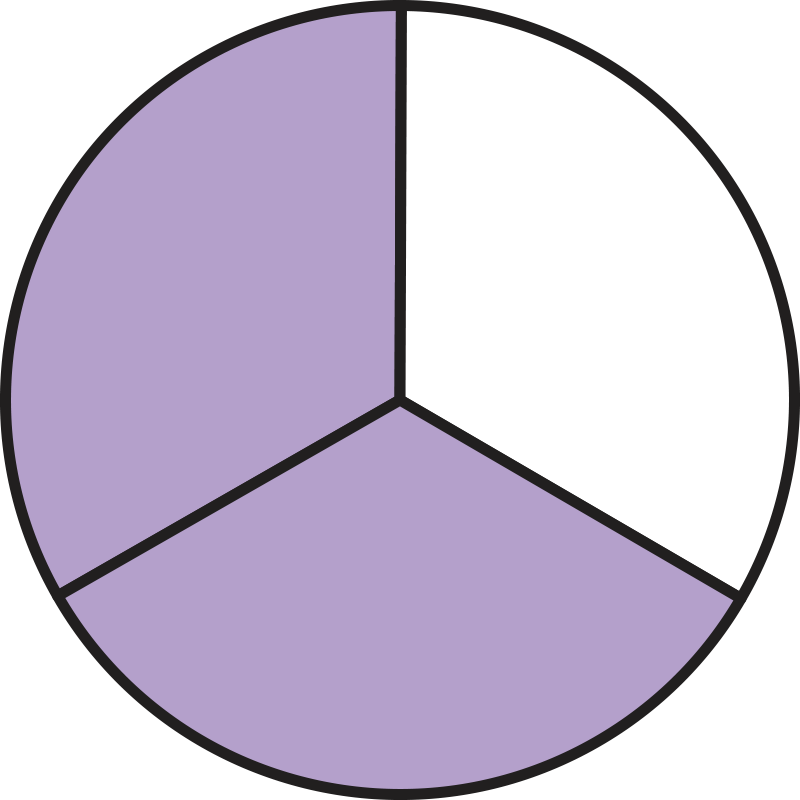
Which fraction matches this partitioned shape?
- two sixths
- six eighths
- two fourths
- two thirds
Sorry, that is not correct. 2 of the 3 parts are shaded.
Sorry, that is not correct. 2 of the 3 parts are shaded.
Sorry, that is not correct. 2 of the 3 parts are shaded.
Correct! 2 of the 3 parts are shaded.
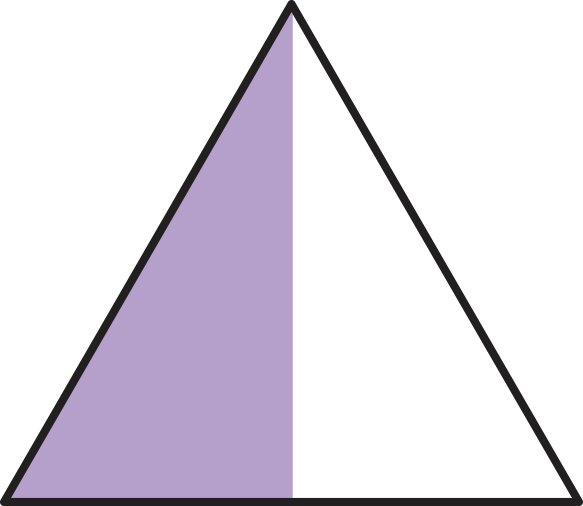
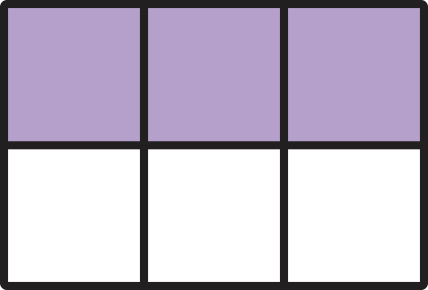
Which partitioned shape matches this fraction?
\({ \frac{6}{8} }\)
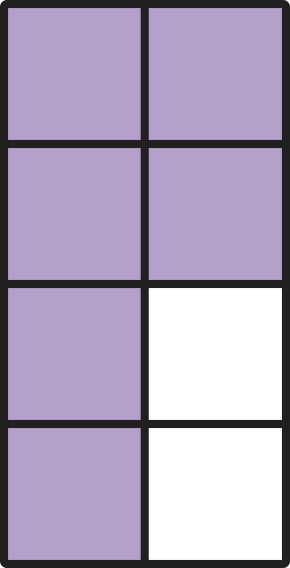
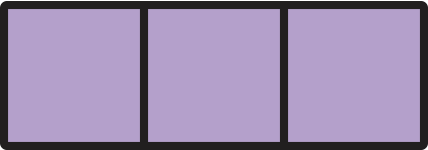
Yes! This shape is partitioned into 8 equal parts, and 6 parts are shaded.
Sorry, that is not correct. The shape should be partitioned into 8 equal parts with 6 shaded parts.
Sorry, that is not correct. The shape should be partitioned into 8 equal parts with 6 shaded parts.
Sorry, that is not correct. The shape should be partitioned into 8 equal parts with 6 shaded parts.
Which statement is true?
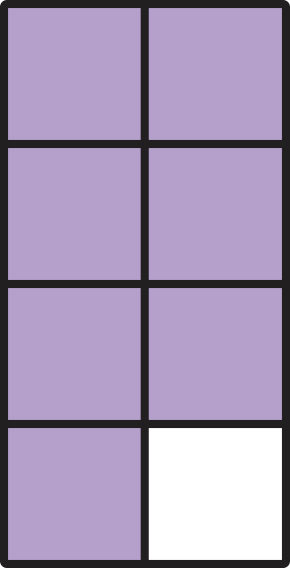
- This partitioned shape shows \({ \frac{4}{4} }\).
- This partitioned shape shows four eighths.
- This partitioned shape shows \({ \frac{7}{8} }\).
- This partitioned shape shows two fourths.
Sorry, that is not correct. This shape shows \({ \frac{7}{8} }\), or seven eighths.
Sorry, that is not correct. This shape shows \({ \frac{7}{8} }\), or seven eighths.
Correct! This shape shows \({ \frac{7}{8} }\), or seven eighths.
Sorry, that is not correct. This shape shows \({ \frac{7}{8} }\), or seven eighths.
Which partitioned shape shows:
\({ \frac{3}{4} }\)
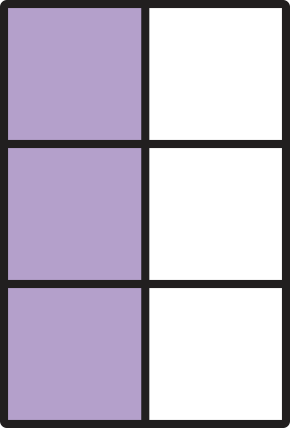
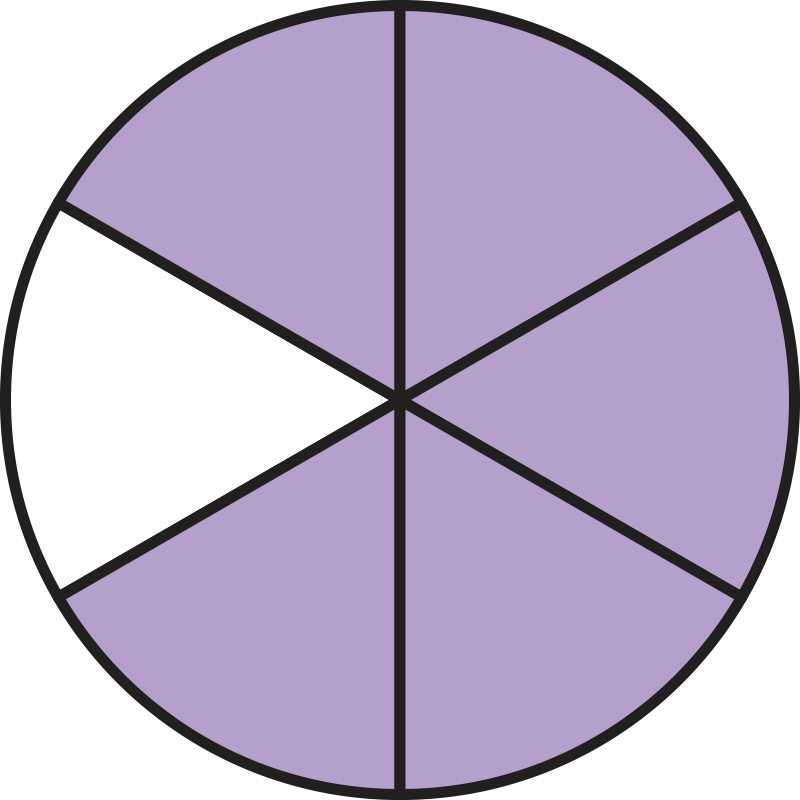
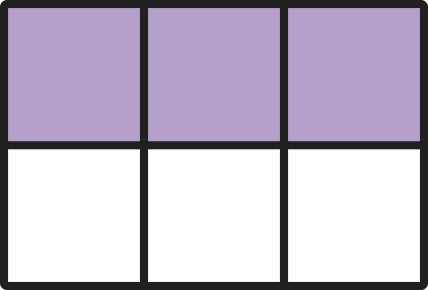
Sorry, that is not correct. This partitioned shape shows \({ \frac{3}{6} }\).
Sorry, that is not correct. This partitioned shape shows \({ \frac{5}{6} }\).
Sorry, that is not correct. This partitioned shape shows \({ \frac{3}{6} }\).
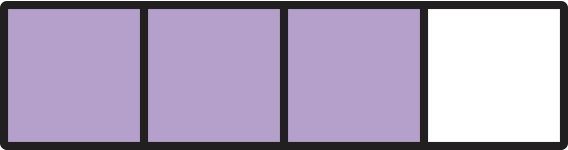
Yes! This partitioned shape shows \({ \frac{3}{4} }\).
Summary
Questions answered correctly:
Questions answered incorrectly: