Think of an idea for a children's book. You don't have to write the whole thing, just come up with a main idea that includes the main characters, their conflict, and a title. Then, create a fictional children’s book cover based on your idea. Make sure to include a short summary of the story on the back cover and your name as the author in your design.
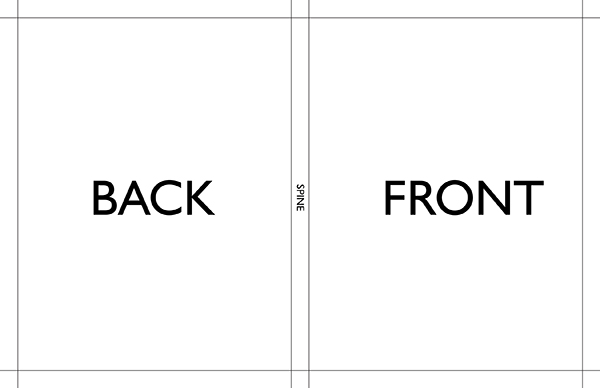
Start with the children's book cover template below.
 |
 |
 |
A part of your grade will be based on how well you follow the template. The front and back covers should be 7.75 inches wide and 10 inches high. The spine should be .5 inches wide and 10 inches high. Turn in one large file with the front cover, spine, and back cover in place.
Your work will be graded using the following rubric:
Children's Book Cover Project Rubric
| Criteria | |
| Template Use 2 Points |
1 Point: You turn in one digital file, with the front cover, spine, and back cover positioned correctly. |
| 1 Point: The front and back covers are 7.5" x 10", and the spine is .5" x 10". | |
| Typography 2 Points |
1 Point: You include the title and author name on the front cover and spine, and write a short summary of the story on the back cover. |
| 1 Point: Your choice of font and your use of typography is appealing and fits your audience and story style. | |
| Imagery 2 Points |
1 Point: You include artwork on the front cover and the back cover. |
| 1 Point: The artwork on the front and back covers represents the tone and content of the story, and is layed out in an appealing way. | |
| Effectiveness 2 Points |
1 Point: You've thought of a creative and original concept that will make your book stand out on shelves while still staying true to the genre of children's stories. |
| 1 Point: You execute your concept effectively, showing use of the elements of art and principles of design. |
