Sexually transmitted infections (STIs), also called sexually transmitted diseases (STDs), are spread from person to person through intimate contact during sexually activity. Microscopic organisms in sores or secretions of the infected person pass through the mucous membranes or broken skin of their partner and begin to reproduce in the new host.
These organisms can be transmitted through vaginal, anal, and oral sex; and they can also enter the body through any broken skin, such as a cut on a finger.
Most of these organisms cannot survive for long (or at all) outside the body, so it is unlikely to catch an STI from a toilet seat or from unwashed bed linens.
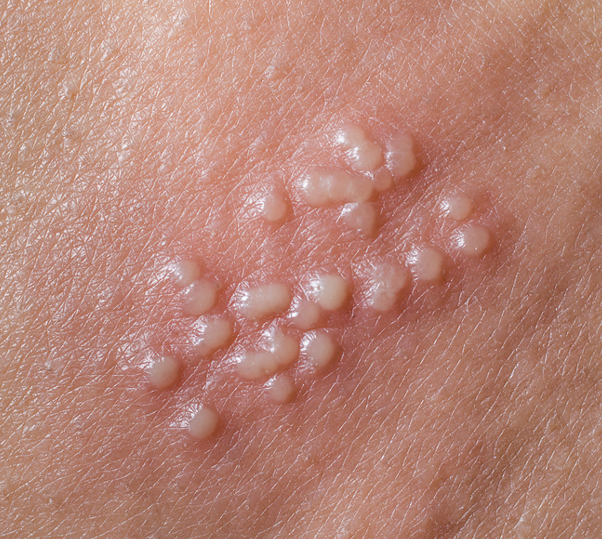
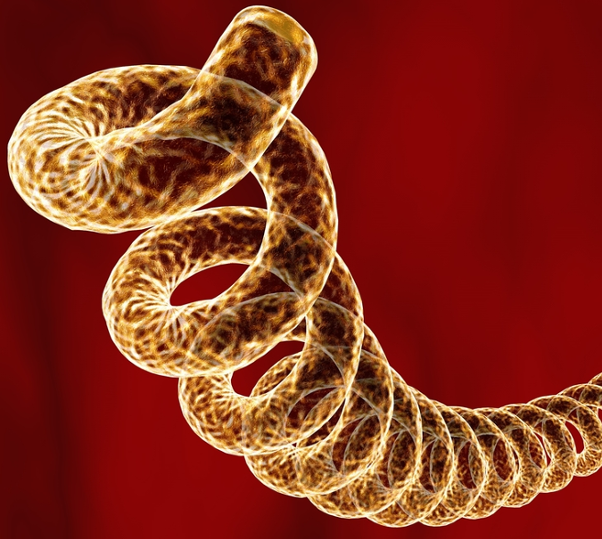
causes syphilis
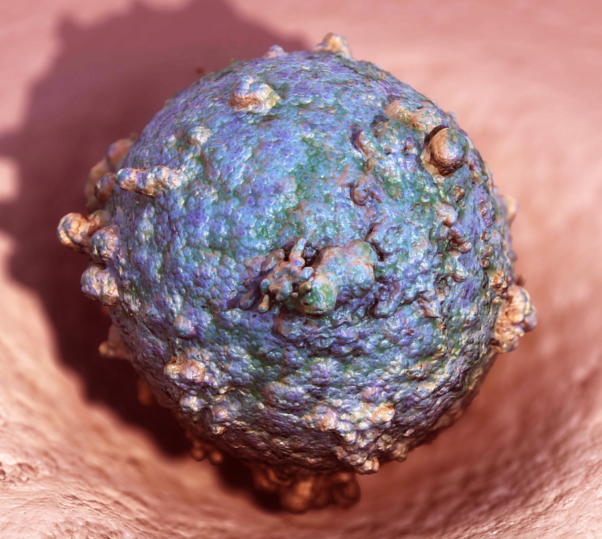
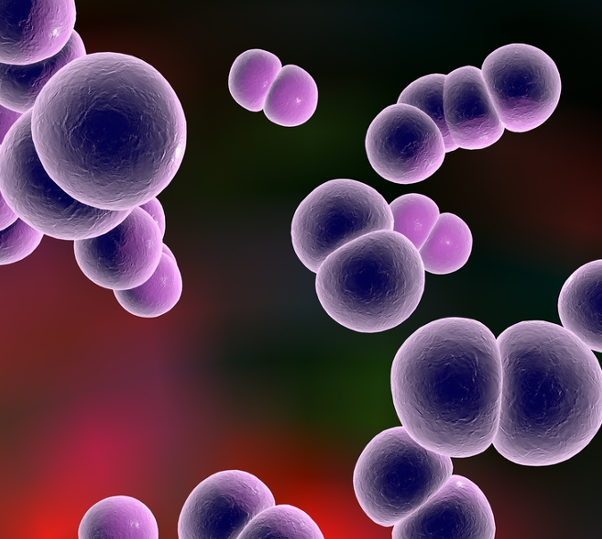
There are two main kinds of STIs: viral and bacterial.
STIs caused by a virus may be managed, but they cannot be cured. Examples include human immunodeficiency virus (HIV), herpes, and human papilloma virus (HPV).
STIs caused by bacteria can be cured with treatment. However, these infections can still be extremely serious if left untreated or not treated soon enough. Examples include syphilis, gonorrhea, and chlamydia.
You will learn more about each of these common STIs in the rest of this lesson.
