Unlike bacterial STIs that can be cured with antibiotics, viral STIs cannot be cured. But they can be managed, and they can be prevented. Learn more about these STIs below.
HIV
HERPES
HUMAN PAPILLOMAVIRUS
What Is It?
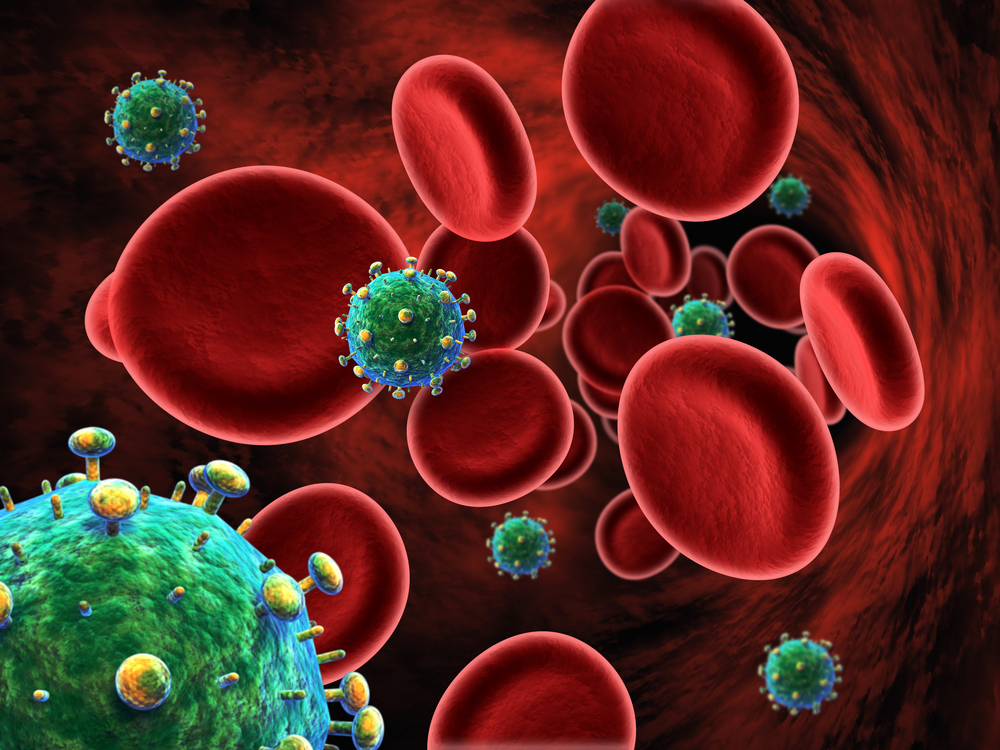
The human immunodeficiency virus (HIV) is the most serious of the viral STIs. The initial infection feels like a bad case of the flu with fever, body aches, weakness, and fatigue being common symptoms. Over time, the virus attacks the immune system, weakening the body’s natural defenses. Eventually, the immune system becomes so weak that it can no longer fight off illnesses that lead to death. This late stage of HIV infection is known as acquired immune deficiency syndrome, AIDS.
How Is It Spread?
Globally, more than 35 million men, women, and children are living with HIV. The virus can be transmitted from partner to partner through vaginal, anal, and (rarely) oral sex; from mother to child across the placenta, during birth, and through breast milk; and from person to person through shared needles or contact with blood or other body fluids.
Healthcare workers and police officers are at increased risk of exposure to HIV because they are more likely to come in contact with HIV-infected blood.
NOTE: HIV is not spread by casual contact with another person. Living with an HIV-positive person and sharing household items will not transmit HIV. And HIV is not spread by mosquitoes.
How Is It Diagnosed?
HIV is diagnosed by testing a person’s blood or saliva for antibodies to the virus. Unfortunately, it takes time for the body to develop these antibodies—up to 12 weeks after exposure. A newer type of test that checks for HIV antigen, a protein produced by the virus immediately after infection, can quickly confirm a diagnosis soon after infection.
How Is It Managed?
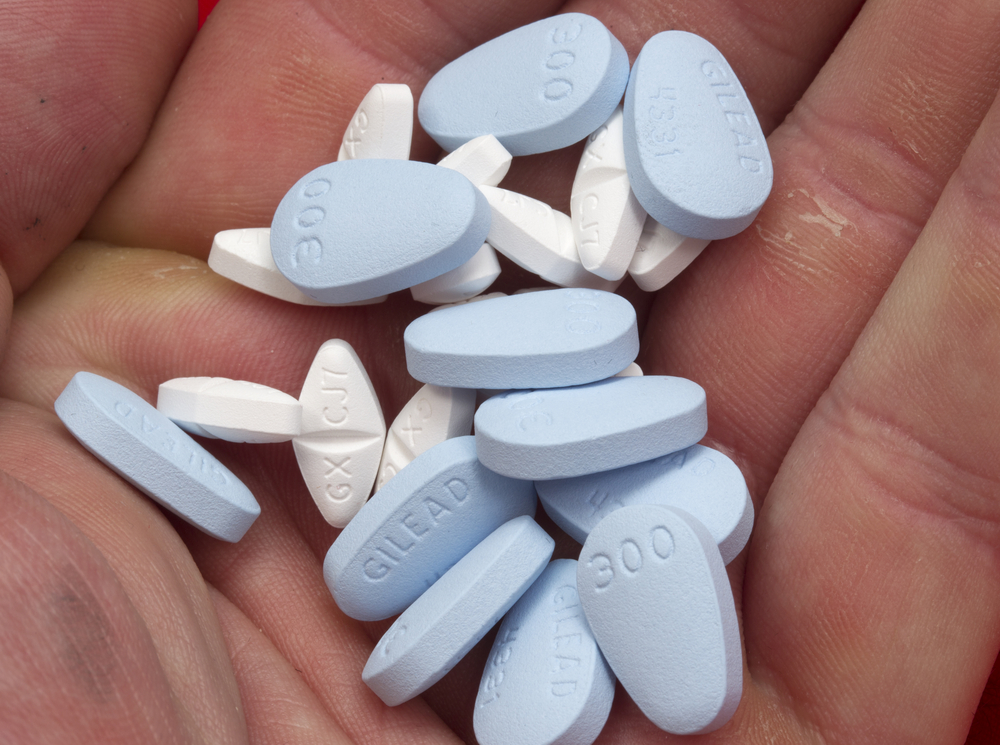
In the 1980s, being diagnosed with HIV nearly always meant facing an early and unpleasant death. Nowadays, medications have helped to make HIV manageable, similar to a chronic illness like diabetes.
Drug combinations, or cocktails, work in two ways: they slow the speed with which the virus reproduces, and they reduce the levels of the virus in the bloodstream. But these drugs are expensive and not available to all individuals with HIV.

In addition to medication, HIV-positive individuals can support their immune function by eating nutritious foods; avoiding exposure to pathogens; getting enough sleep; and managing stress with meditation, yoga, or exercise.
What Is It?
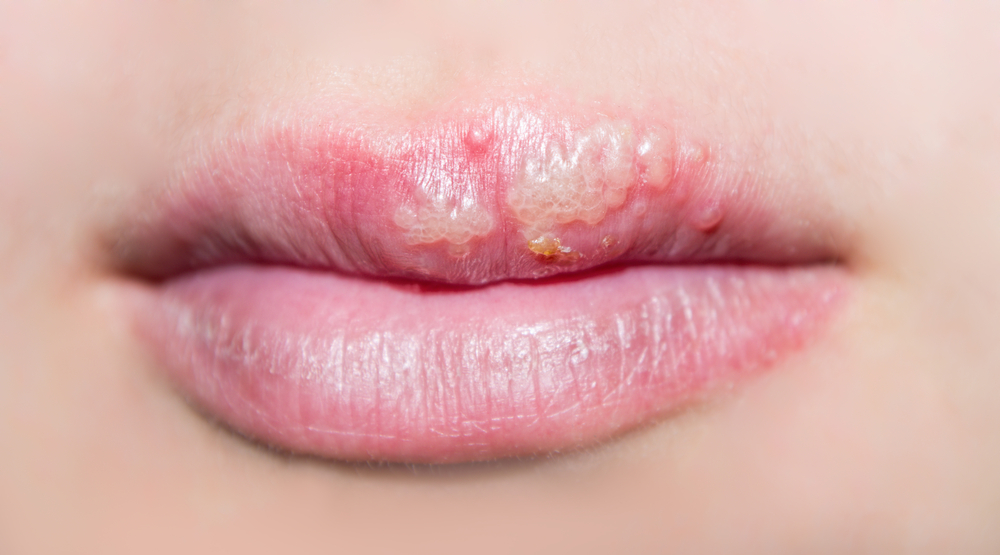
Genital herpes, caused by herpes simplex virus-2 (HSV-2), is a serious infection that can be transmitted during vaginal, anal, and oral sex. This virus is closely related to the virus that causes cold sores or fever blisters, herpes simplex virus-1 (HSV-1). Therefore, HSV-2 can infect the mouth, and HSV-1 can infect the genital and anal areas.
Herpes first infects the skin cells in the area of contact. Then, tiny clear or yellowish bumps appear and become filled with fluid. These blisters later burst, oozing virus-filled fluid, and become painful sores. In 5 to 10 days, these sores turn gray, crust over, and heal. However, the infection is not gone. Instead, it’s becoming established in the nervous system.
The virus particles enter the nerve endings in the infected area and move up the nerve toward the base of the spinal cord. There, they lie dormant until something, such as stress or lack of sleep, triggers a recurrence. Then, the virus particles move back down the nerve to the site of the original infection, where they may or may not cause new sores to develop.
How Is It Spread?
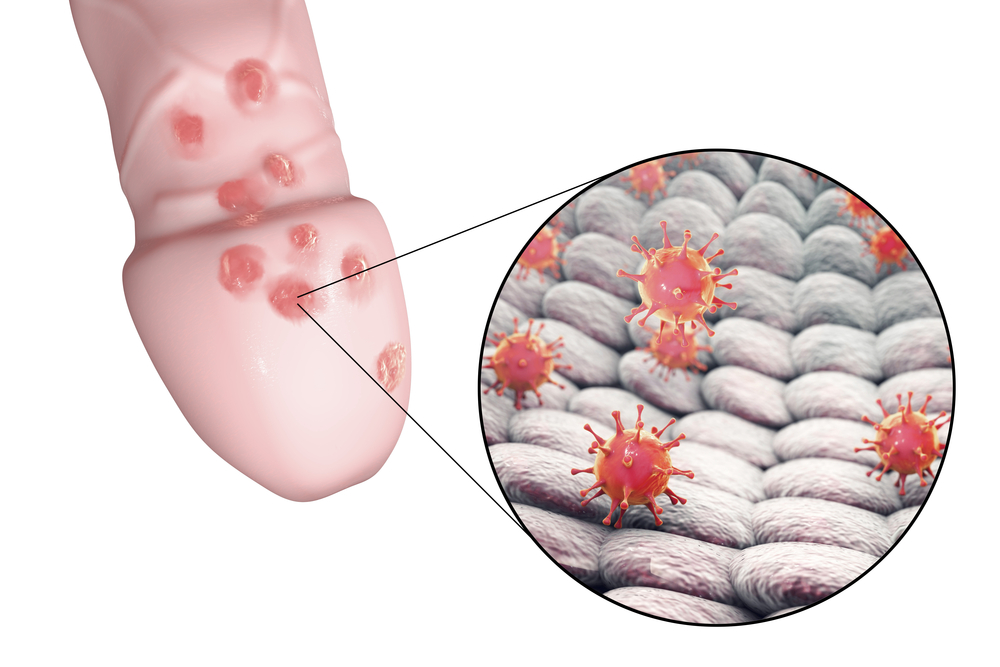
Herpes is spread during intimate contact between an infected person who is shedding the virus and their partner. Just before a person infected with herpes has an outbreak, they begin to shed virus particles. They continue to shed these particles during the outbreak. When the virus is dormant, the infected person does not shed virus particles and is not infectious.
Herpes can infect newborns at they pass through the birth canal, causing damage to the nervous system and even death. To avoid this risk, mothers with herpes are generally advised to deliver their babies via cesarean section—surgical removal of the baby through the abdominal wall.
How Is It Diagnosed?
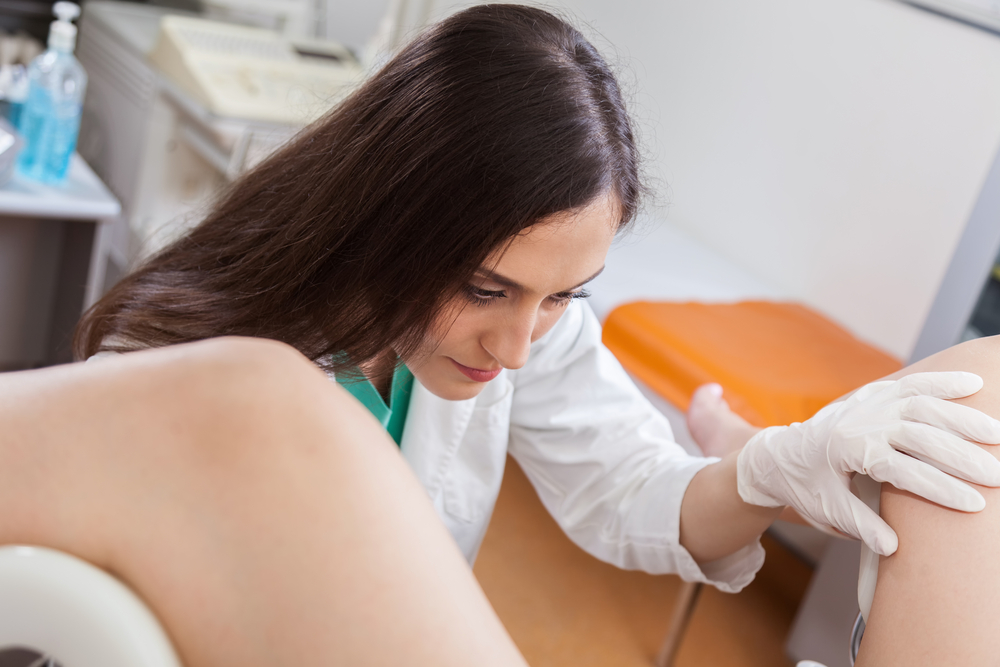
Herpes can be diagnosed in three ways: by a physical exam, where a healthcare provider examines the blisters or sores; by a lab test of the blister fluid; or by a blood test that looks for HSV-1 and HSV-2 antibodies.
How Is It Managed?
The drug acyclovir is very effective at reducing the recurrence rate of herpes. Since lack of sleep and stress can trigger an outbreak, individuals who have herpes should get adequate sleep and find ways to manage their stress.
What Is It?
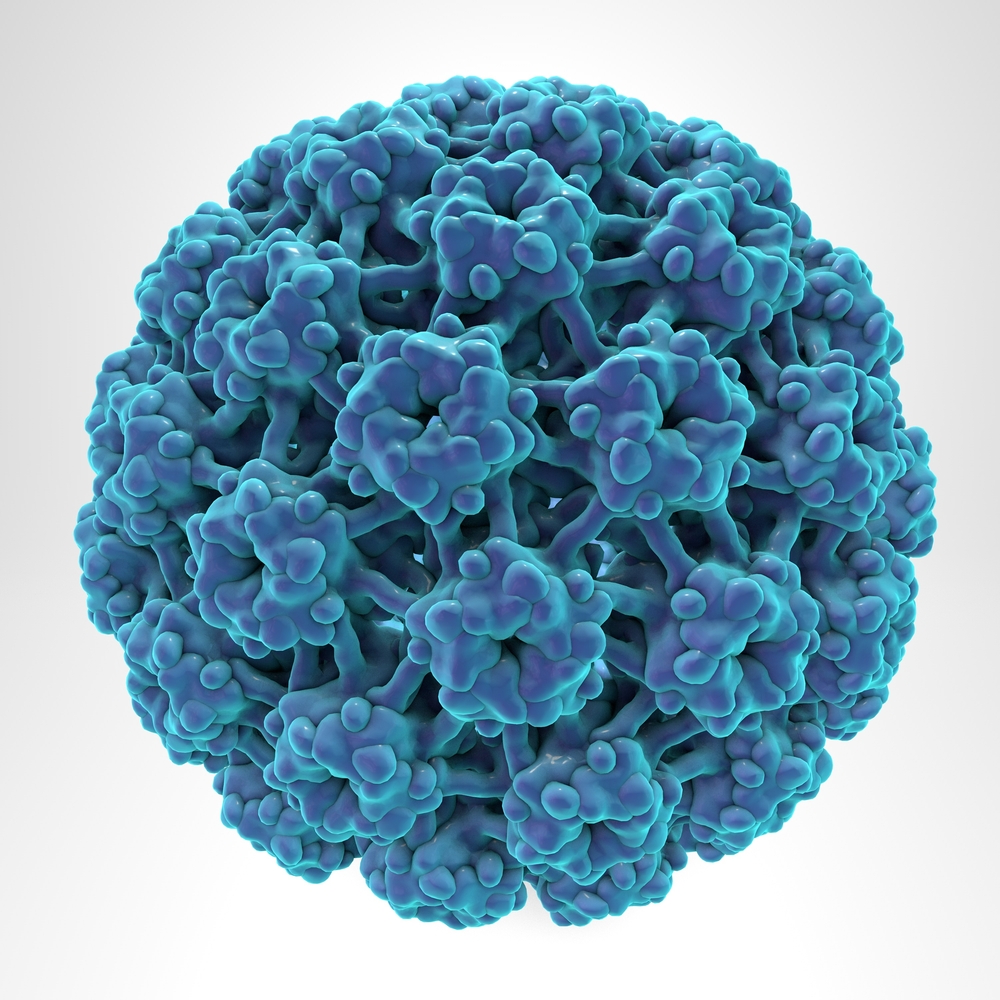
According to the Centers for Disease Control and Prevention (CDC), the human papillomavirus is so common that nearly all sexually active men and women get the virus at some point in their lives. More than 60 papillomaviruses (viruses that cause warts) exist, with each type affecting only certain areas of the body. About 40 types of HPV can infect the genital and anal regions. While genital warts may be unpleasant and embarrassing, they are not life threatening or painful; and they can often be removed by a healthcare provider.
So why is HPV a serious health issue? The reason is that several forms of this virus are associated with cancer of the cervix and, less often, with cancers of the vulva and penis.
How Is It Spread?
HPV, like herpes, is spread through intimate contact between an infected person and their partner. Because skin-to-skin contact can transmit HPV, infection can occur even if intercourse does not take place.
In addition, HPV can be transmitted to an infant’s respiratory tract during birth.
How Is It Diagnosed?
The presence of genital warts signals an HPV infection, but it does not indicate whether the type of HPV present is associated with cancer. An HPV DNA test can indicate whether a person is infected with any of the high-risk forms of HPV.
Among sexually active people, men should consider having any abnormal tissue growths on their genitals examined for cancer, and women should have regular Papanicolaou tests (Pap smears) for the same reason.
How Is It Managed?

There are no medications to treat HPV, but vaccines can protect people against the high-risk types of the virus. HPV vaccinations are now recommended for all boys and girls aged 11-12 years. To be effective, vaccines must be given before a person is exposed to the virus.
