It is important to understand what sorts of interest groups and companies influence public policy because their efforts impact both the government and you! Some industries are only interested in increasing the profits of member businesses--sometimes at the expense of American citizens. Unfortunately, the negative effects of lobbying go largely unnoticed by the general public.
Study these slides to learn about some of the industries that impact public policy for their own benefit.
|
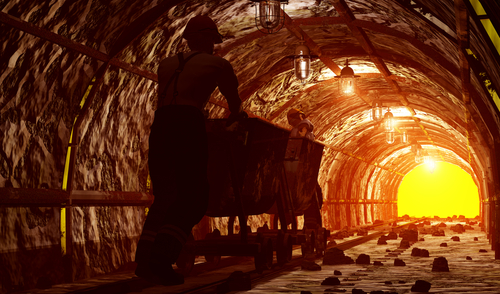
The Mining IndustryThe coal industry has been involved in American politics for a long time. Recently, it’s been trying to persuade politicians and tax payers that its new approach to producing “clean coal” will reduce carbon emissions and other pollutants. Environmental advocacy groups are skeptical, but mining lobbyists have spent hundreds of millions of dollars over the years, ensuring lawmakers’ commitment to the industry. In addition, the mining lobby has tried to convince lawmakers to deregulate labor and worker safety laws, as well as environmental regulations.
The Agribusiness IndustryAgribusiness includes many different special interest groups, including food companies such Kraft and Unilever, agricultural companies like Monsanto, and tobacco companies such as Phillip Morris. These businesses spend millions each year funding campaigns and pushing legislation through Congress. Agribusiness lobbyists are responsible for holding up bills regulating food labeling and biofuel production. In the last several years, they’ve influenced legislation that undid many environmental efforts, such as the Clean Water Act.
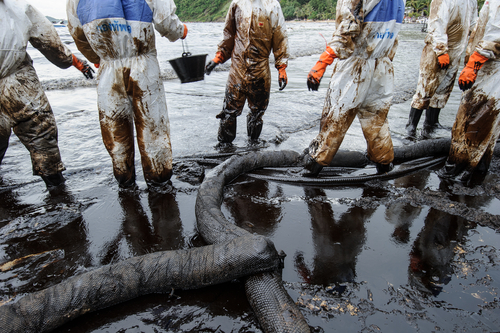
Big Oil IndustryThe oil industry and its lobbyists have always had a major impact on lawmakers. Many people in government have or have had deep ties to different oil companies. In addition, the oil industry spends more on lobbying than any other group. After the disastrous British Petrol (BP) oil spill in 2010, oil and gas lobbying became an important aspect of American media, especially as BP stepped up efforts to remake its tarnished image. Recently, the oil industry has been advocating for less governmental intervention and regulation in the oil industry.
Pharma IndustryAlong with the financial lobbies, the pharmaceutical and health products industries have historically been one of the biggest and most powerful lobbies in Washington. Drug companies enjoy more power and influence in American government than with any other government in the world. As it stands, drug companies gain a huge increase in their profits with the passing of certain legislation. One example of this is legislation that makes sure prescription drug prices remain steady or increase, in spite of their already being the highest in the world.
The Financial IndustryThe U.S. banking and finance lobbies strive to keep the free market as free as possible. Financial lobbies are by far the biggest spenders in Washington, contributing hundreds of millions of dollars to campaigns and political parties. Goldman Sachs donates millions to various politicians and governing bodies. In return, financial institutions have been allowed generous leeway; they were responsible for the real estate crisis of 2008, which contributed to a recession, but none of them were held financially responsible by lawmakers. |
 |




What do you recall about the big industries that lobby Washington to further their own causes. Match the industry with the main focus of its lobbying efforts.

