Lobbyists must meet with policymakers to make their cases. But public officials are not obligated to meet with lobbyists, take their calls, or look at their messages. A policymaker may be more willing to meet with a lobbyist, though, if he or she has received campaign contributions from the group, is sympathetic to the group's interests, or believes the group’s policy objectives are important to the constituents back home.


Ensuring access to elected officials involves building relationships. Lobbyists attend fundraisers and receptions and distribute campaign checks to legislators from their groups. They also meet policymakers informally at dinners, golf games, sporting events, parties, and weddings.
Exactly who are the lobbyists trying to access? The answer is anybody in government who holds influence. Study the following tabs to review who interest groups and lobbyists hope to influence within the American government and how they go about doing it.
Congress
The President
Governmental Agencies
The Courts
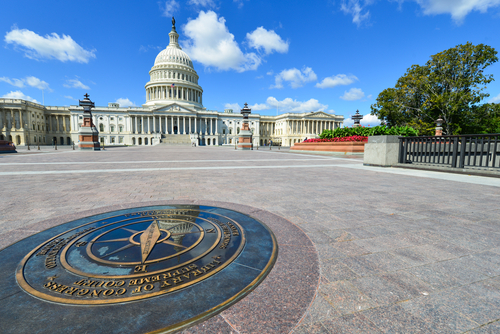 Lobbyists are usually very involved with members of Congress and their staff, committees, and leadership offices. Sometimes lobbyists are involved from the start of the congressional policy-making process. They may either encourage or discourage law makers from introducing certain bills, and they may try to influence the content of those bills. In fact, lobbyists may actually draft a bill or help organize congressional hearings. Other activities of lobbyists include attempts to change the language in a bill, requests to add amendments, and advocating to have a bill either approved or defeated.
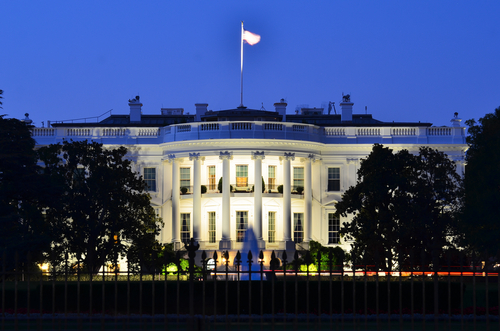 Presidents are often in contact with businesses, industry leaders, labor groups, and other interest group leaders or lobbyists. However, the president usually directs White House staff and the White House Office of Public Engagement to communicate with these people directly. At times, though, presidents elevate certain interest groups that they favor or ones that have supported them in the past. However, the policies that are important to one of the president's favored interest groups are usually the same policies the president is pushing anyway.
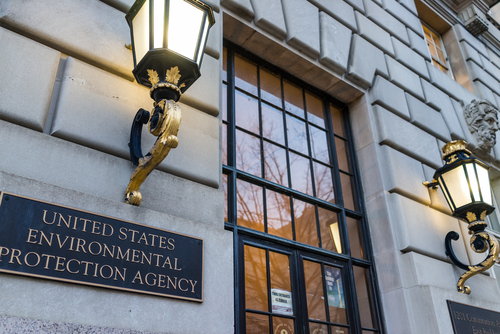
 Government agencies are important to interest groups and lobbyists because they usually decide what laws mean and how to administer and implement them. For example, the guidelines bureaucrats issued to carry out the Medicare drug benefits determined which drugs and medical devices would be covered. Lobbyists for doctors, hospitals, insurers, drug companies, pharmacies, and medical equipment manufacturers all contacted bureaucrats directly about these decisions.
 Since interest groups are affected by court decisions, they try to influence the president’s selection of federal judges by suggesting candidates and screening those on the short list. Groups for or against nominees lobby senators to approve, delay, or reject confirmation of federal judges. Interest group leaders may testify at hearings of the Senate Judiciary Committee, feed negative or positive information about nominees to senators and reporters, and use radio and television advertisements to sway public opinion. Certain interest groups also use the courts as a way to achieve their goals. For example, the American Civil Liberties Union (ACLU) often brings cases before the courts to assert and protect rights. Interest groups sometimes argue their cases in court, too, particularly if they lack influence in the legislative and executive branches. The National Association for the Advancement of Colored People (NAACP) mounted a litigation campaign against segregation laws, culminating in its notable victory in the Supreme Court’s 1954 unanimous school desegregation decision of Brown v. Board of Education.
What role do lobbyists play in the efforts of interest groups? Use the flash cards below to review what lobbyists do and why.
Why would interest groups attempt to influence the courts?
Many groups are impacted by court decisions. Some groups even use the court system as a way to influence government by encouraging a judge to set a precedent that creates advantages for or protects the rights of certain citizens.
Why would interest groups want to influence government agencies?
Although a group could have been influential in getting legislation passed in its favor, they must rely on specific government agencies to enforce the law. Congress and the president do not generally involve themselves with the details of how a law will be carried out. Instead, they leave that up to the agency responsible for enforcing it. Interest groups may use lobbyists to influence how agencies decide to implement a policy.
Why would a public official want to meet with a lobbyist?
If a government official has received campaign contributions from a group, is sympathetic to its interests, or thinks that the group’s policy is important to their constituents back home, they may offer to meet with a lobbyist representing the group.
Which of the groups discussed seems to have the most interaction with the lobbyists?
Lobbyists' relationships with Congress is the most important piece in this influence puzzle since they work very closely with one another to get legislation written and passed.
Cards remaining:
