One central feature of legal systems in a modern democracy is a commitment to due process in legal matters. A system based on due process is one in which there are laws that guarantee a person cannot be deprived of life, freedom, or property without the use of appropriate legal procedures. Trial by jury is one way to safeguard due process, and such trials tend to be central to the fair practice of law in developed countries. The images in the slide show below show the development of due process in Europe.
|
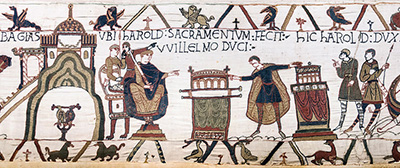
In early medieval Europe (476 CE to about 1000 CE), trial by oath was used to settle lawsuits. Neighbors of an accused person would appear in court and swear he was innocent. This put a burden on the neighbors, who would be punished if they were proved to be lying. Trial by oath was a step up from trial by ordeal, and a step toward trial by jury. Twelve jurors, men from the village or town where the court was held, would hear evidence and decide a case.
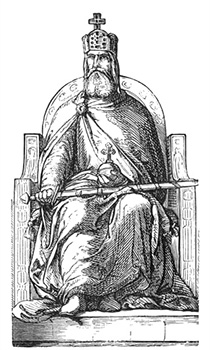
Charlemagne (742-814 CE) was the first Holy Roman Emperor. He ruled over much of central and northern Europe, including modern-day Germany and France. Historians believe that jury trials were one of the many social reforms Charlemagne brought to his people. At first, jurors in the Holy Roman Empire only served as witnesses to court proceedings. But they evolved over the years into their modern role of hearing evidence and deciding disputes.
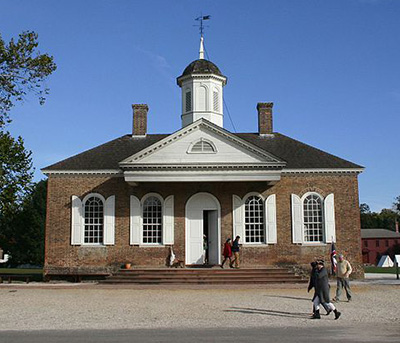
This is the colonial courthouse in Williamsburg, Virginia. By the 1400s CE, trial by jury was the dominant method of settling court cases in England, and that system was taken by English emigrants to the Americas. |
 |

Question
What is a trial by jury?
Question
What role did the emperor Charlemagne play in the development of trial by jury in western Europe?
