If primary producers, which are able to transform energy from an unusable form to a usable form, are a bit like the employees of a business, then consumers, which are organisms that eat other living things, form the rest of the hierarchy in an ecosystem. Because they rely on other organisms to get energy, consumers are called heterotrophs. Hetero- means "other," and -troph means "feeding."
Consumers are predators (animals that prey on other organisms for energy). Different types of consumers make up the other trophic levels in an ecosystem. Click each tab to learn about these three trophic levels.
Primary Consumers
Secondary Consumers
Tertiary Consumers
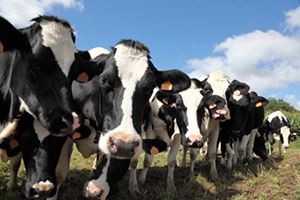 Organisms that belong to the second trophic level are called primary consumers. Primary consumers consume (eat) producers or parts of producers to get energy, and they are generally either herbivores or omnivores. Common primary consumers include insects, deer, cattle, and horses. Bacteria can also be primary consumers if they live on plants in the form of a plant disease.
 Organisms that belong to the next trophic level are called secondary consumers. Secondary consumers eat primary consumers or parts of these organisms to get energy. They are either omnivores or carnivores.
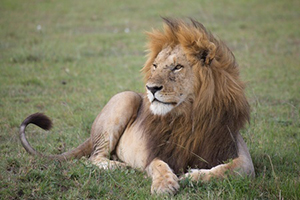 Organisms that belong to the top trophic level are a bit like the president of the food chain. There are called tertiary consumers. Tertiary consumers eat secondary consumers or parts of these organisms to get energy. They are either omnivores or carnivores.
The different types of consumers present vary from ecosystem to ecosystem. Some ecosystems may have only primary and secondary consumers, while some may have quaternary consumers that prey on tertiary consumers.
To which trophic level do humans belong? Think about this question and then click Answer to see if you are correct.
It depends on what humans are consuming! For example, if you're eating an apple or a salad, you are functioning as a primary consumer. If you're eating a hamburger, then you are functioning as a secondary consumer (since the cow was the primary consumer). If you're eating chicken, and the chicken ate insects that fed on corn crops, then you are functioning as a tertiary consumer.
What are the differences among primary, secondary, and tertiary consumers? Test your knowledge by dragging the organism on the left to the correct trophic levels on the right.
|
a squirrel relies on acorns for food
|
primary consumer
secondary consumer
tertiary consumer
|
|
a great horned owl eats screech owls,
which eat insects |
primary consumer
secondary consumer
tertiary consumer
|
|
blue whales eat krill, which are small shrimp that eat phytoplankton
|
primary consumer
secondary consumer
tertiary consumer
|
Complete
