Drag the vocabulary word to the picture that best illustrates or describes it.
Click here to begin.
|
anterior
|
  |
That's right. The head end is the anterior end.
Remember, the tail end is the posterior end.
|
posterior
|
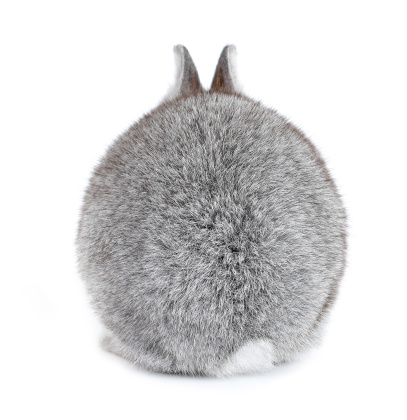  |
Good job. You remembered to associate the tail with the word posterior.
Remember, the tummy side is the ventral side.
|
ventral
|
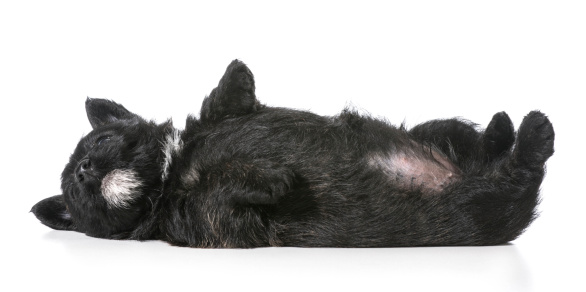
  |
Yes, you're right. This cat is very proud to show off his ventral side.
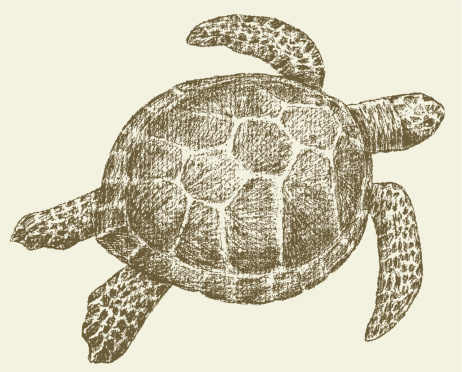
Remember, the back side is the dorsal side, like this turtle is showing.
|
dorsal
|
 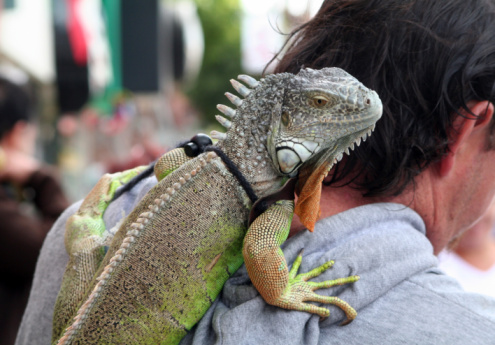 |
Correct, good job. This man and his iguana have their backside or dorsal side to you.
Remember, the head end is the anterior side.
|
aboral side
|
 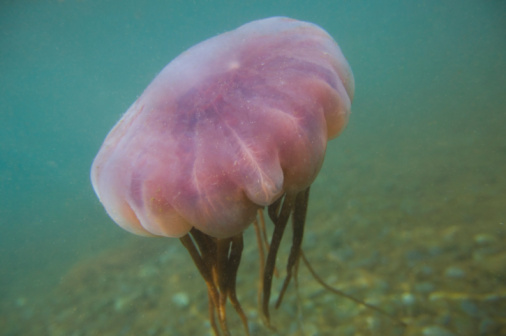 |
Correct, good job. The aboral side occurs on radially symmetrical organisms and is the side without the mouth, or the backside, of this jellyfish.
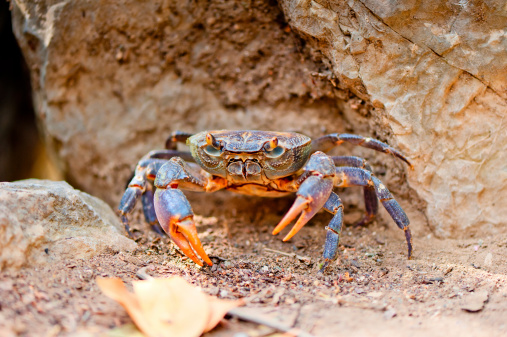
Remember, this crab, as are all crustaceans like him, is bilaterally symmetrical. Aboral only refers to those animals with a radial symmetry, and it refers to the side without the mouth.
|
oral side
|
 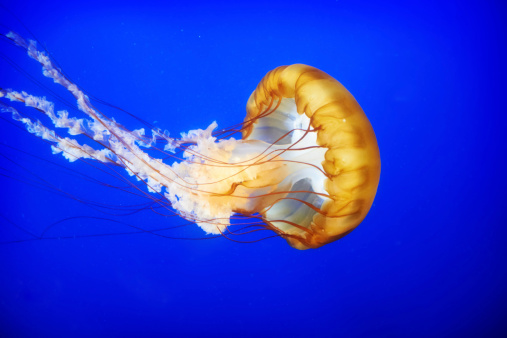 |
Correct, good job. You remembered that radially symmetrical organisms have oral and aboral ends. The oral end is where the mouth is located, like on the underside of this jellyfish.
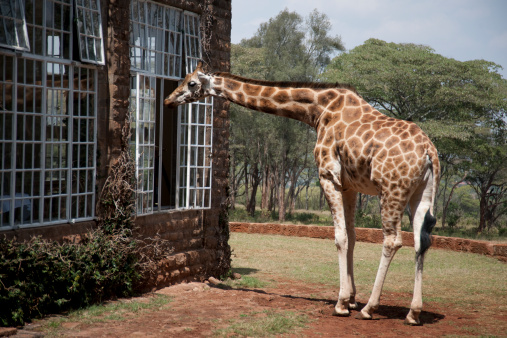
Although oral refers to the mouth, and this giraffe obviously has a mouth, when referring to the oral sides of animals, it typically has to do with radially symmetrical animals, unlike this giraffe, which is bilaterally symmetrical.
Complete
