We mentioned magnetism briefly when we started the unit on electricity. As you will find out, magnetism is closely related to electricity, and it occurs naturally. Generally, a magnet is any material that attracts iron, nickel, and cobalt; the only objects that will be attracted to a magnet are those containing one of these metals.
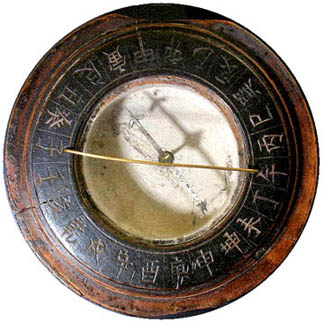
The ancient Greeks found that lodestones, which are made of the mineral magnetite (an iron oxide), were magnetic. In fact these are the only naturally occurring magnets on Earth. The ancient Chinese used the magnetic properties of lodestone to make the first compass.
How the Compass Was Invented
It is speculated that in the eleventh century (but possibly as much as 1000 years earlier!), the Chinese discovered that a magne had certain characteristics. They discovered that there was an invisible force in some materials that caused these materials to be attracted to each other and that the same materials, when placed in the opposite position, would repel each other instead of being attracted.
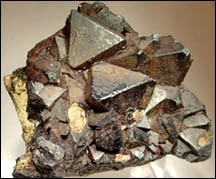 They also observed that if a steel needle was magnetized with lodestone (image at the left), and then freely suspended so that it could move with a minimum of friction, it would rotate until one of its ends pointed north and one of its ends pointed south. No matter where they were, the magnet would always show which way was north. They found a way to suspend a magnet in a portable box, and so the compass was invented.
Magnet
What three materials does a magnet attract?
A magnet attracts iron, nickel and cobalt.
Compass
Explain how the Chinese discovered the compass.
The Chinese observed that if a steel needle was magnetized with loadstone and freely suspended it would rotate until one of its ends pointed North and one pointed South.
