Photoperiodism can be described as the way a plant counts the days in the year. Dormancy, the process plants use to conserve energy during harsh conditions, can be described as the plant's bedtime routine.
Producing leaves takes a lot of energy. And when seasonal changes mean that the weather is very hot or very cold, the reward for spending all that energy is very small, since hot and cold conditions damage leaves and keep them from making a lot of sugar through photosynthesis. As a result, some plants enter dormancy until the seasons change and conditions are favorable for them to start growing again.
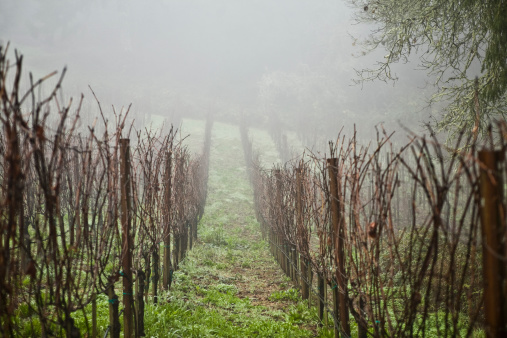
Some plants like these grapevines go through dormancy to conserve energy.
There are two kinds of dormancy. Predictive dormancy happens when a plant goes dormant before harsh conditions occur. (Notice the word "predict" in that term.) Because plants depend so much on light, it makes sense that photoperiodism plays a role in predictive dormancy. For example, as the days become shorter and the nights become longer, the plant predicts that winter is approaching and enters dormancy.
Consequential dormancy happens when a plant goes dormant after conditions are unfavorable. (Notice the word "consequence".) For example, a plant might only enter dormancy after a few weeks of extremely cold weather.
Each type of dormancy has its drawbacks. Plants that go dormant based on light might miss conditions that are favorable for growth, like a warm winter. On the other hand, plants that experience consequential dormancy might die if the weather changes quickly.
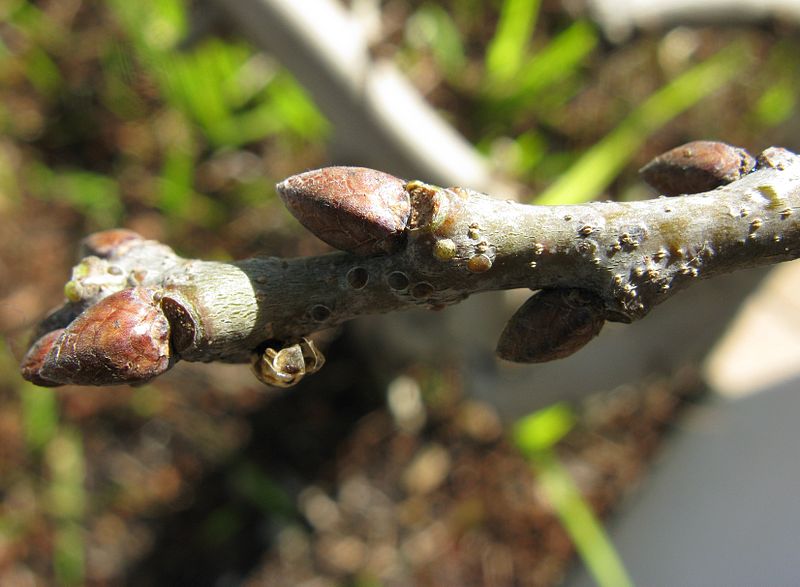
Plants that are dormant have distinguishing physical characteristics like scales over their leaf buds.
To understand what a dormant plant looks like, all you need to do is to think about what you do to protect yourself in bad weather. When we prepare to go out into a storm, we dress the part. So do plants. Plants drop their soft, green leaves and develop a tough outer coat over both their stems and buds. It's a little like putting on a suit of armor to face a fierce opponent. Many plants that are dormant look dead, but they're not. If you scratch away that woody coating, you'll find green tissue underneath.
Answer the questions below to see how much you understand about dormancy in plants.
1. What physical features would you see on a plant that is dormant?
- green leaves and woody stems
- flowers and green leaves
- woody stems and scale covered buds
- flowers and green leaves
2. Which term describes dormancy that occurs before the plant experiences harsh conditions?
- consequential
- predictive
- photoperiodic
- winter
Summary
 Questions answered correctly:
 Questions answered incorrectly:
