 Trees turn different colors in the autumn season because of biochemistry. |
Most changes in plants are controlled by biochemistry. Biochemistry is a branch of science that is concerned with the chemical reactions that take place in living organisms. So the physical changes in plants are controlled by chemical changes. Plants use special biochemicals to sense their environment and to respond to seasonal changes. There are hundreds of different types of plant biochemicals, but we'll look at three of the most important.
Click each tab to learn about the biochemicals that cause physical changes in plants. As you read, think about what physical changes each chemical causes.
Chlorophyll
Accessory Pigments
Phytochromes
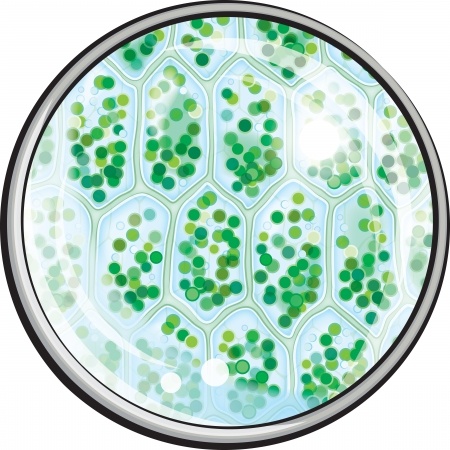
Chlorophyll is a green pigment found in plants and is a plant's most important chemical. Its job is to absorb light energy from the sun and to help change it into chemical energy in the form of simple sugar. Without chlorophyll, a plant has no way to create the energy it needs to stay alive. Because chlorophyll is made of materials that can be difficult for a plant to absorb, a plant will only make chlorophyll if it has enough light for photosynthesis.
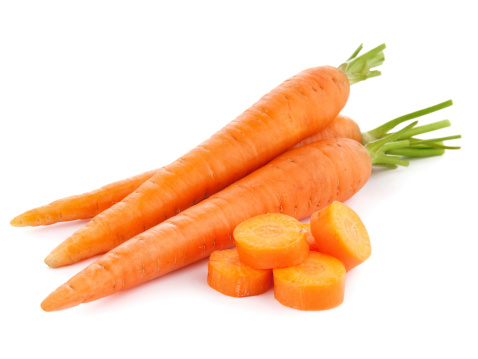
Plants have other pigments, too, called accessory pigments. These pigments are called carotenoids, and are yellow and orange (like in these carrots). Other accessory pigments are red or purple. These pigments help in photosynthesis, but they are not nearly as important as chlorophyll because they can't change light energy into chemical energy. They're sort of like the second line on a sports team. They are always present in plants and have a role to play, but they are usually covered up because there is so much of the more important chlorophyll.
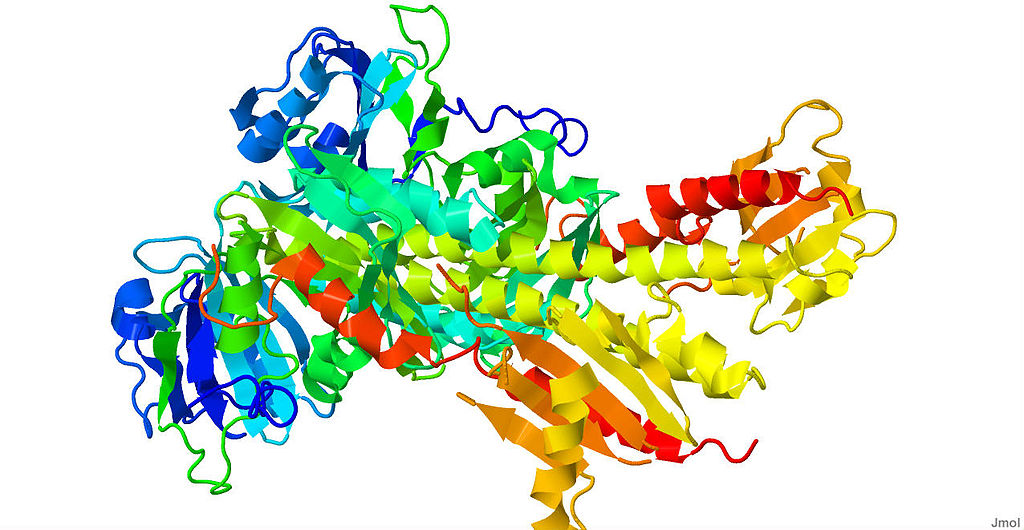
Phytochromes are a group of special chemicals that plants use to sense darkness. Phytochromes are especially important in signaling a plant to flower based on the length of day and night. They are found in the leaves of most plants.
How are these three chemicals involved in physical changes in plants?
You learned that seasonal changes in the amount of light affect when plants flower. This process is controlled in part by phytochromes. These chemicals tell the plant the length of the photoperiod, which is the amount of darkness that a plant experiences. Therefore phytochromes are responsible for photoperiodism and when a plant flowers.
Predictive dormancy (dormancy that occurs at the same time every year) is also controlled in part by phytochromes. Increasing periods of darkness signal the plant to stop growing. Dormancy can also be triggered by decreasing temperature or water availability. These things together tell the plant to drop its leaves and to put on its tough outer covering.
Abscission is controlled mostly by an absence of chlorophyll. When a plant does not get much light, like in the winter season, the plant will stop producing chlorophyll. This is why you see the gold and red colors in the leaves, which are caused by the accessory pigments. The plant stops the movement of energy to the leaves, which eventually causes the leaves to be shed.
Now, it's time to test your understanding of what causes physical changes in plants. Read each physical change in the first column in the table and think about what factors and/or biochemicals cause that change. Then click on the physical change to see if you are right.
| Physical Change | Cause of the Physical Change |
| flowering | photoperiodism, controlled by phytochromes |
| dormancy | photoperiodism, controlled by phytochromes; cold temperatures and less water |
| shedding of leaves (abscission) | lack of chlorophyll and accessory pigments due to less light |
