Founded around 559 BCE by the Achaemenids and their ruler Cyrus the Great, the Persian empire lasted 1200 years. The three main dynasties of the Persian Empire are the Achaemenid Dynasty (559–330 BCE), the Parthian Dynasty (247 BCE–224 CE), and the Sassanid Dynasty (224–651 CE).

As you can see, the early Persian homeland was centered in Iraq. It grew to include Central Asia, Egypt, and fringes of southern Europe. The Persian Empire was the first to control parts of three continents. The first Persian dynasty, the Achaemenids, clashed with Alexander the Great for control of Greece in 330 BCE. The second dynasty, the Parthians, clashed with Rome beginning in 66 BCE and fought for over two centuries for control of west Asia and north Africa.
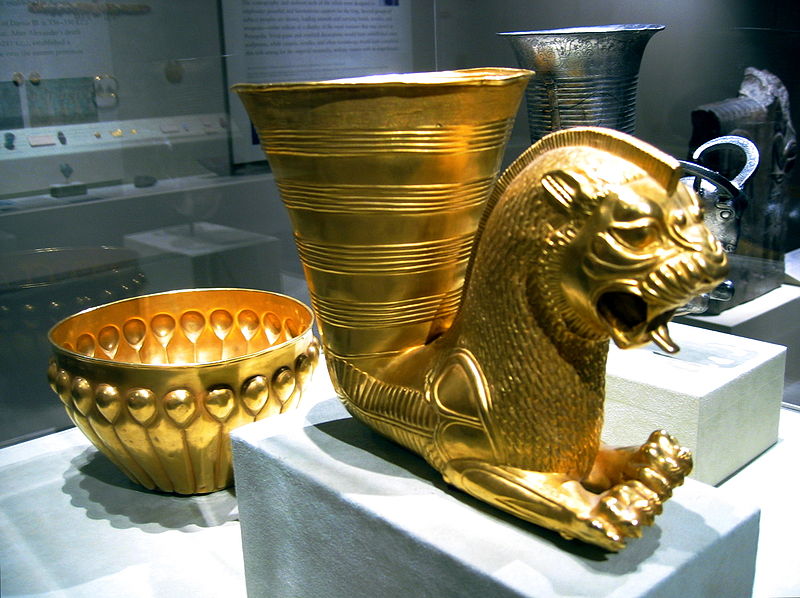
Persian culture was not all about war. Its trade empire funded many artistic legacies. As you view the images below and click on them for more information and facts about the Persian Empire.
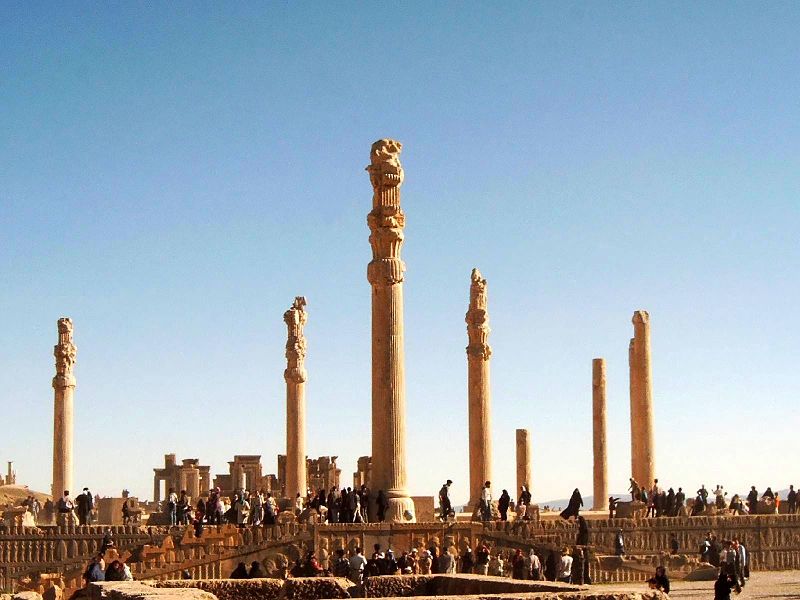
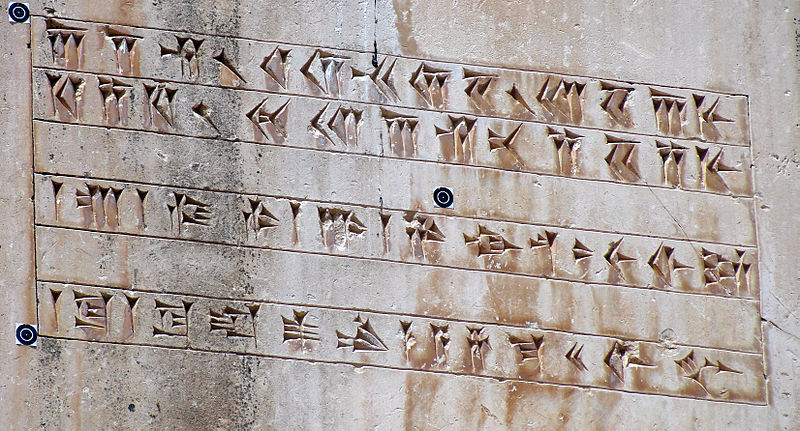
These images show the glory of the great Persian capitals of Pasargadae, built by Cyrus the Great beginning in 550 BCE, and Persepolis, begun around 515 BCE by Darius the Great. Click on the images to learn more.
|
 By Truth Seeker (fawiki) (Own work) [CC-BY-SA-3.0 (http://creativecommons.org /licenses/by-sa/3.0)], via Wikimedia Commons |
 By Rosemanios from Bejing (hometown) (Flickr) [CC-BY-2.0 (http://creativecommons.org/licenses/by/2.0)], via Wikimedia Commons |
Question
What characteristics of a great empire do the cities of Persepolis and Pasargadae possess?
