Force generation comes from force summation, which is all of the body parts being used in sequence from largest to smallest in order for a physical activity to be performed correctly and done with maximum force.
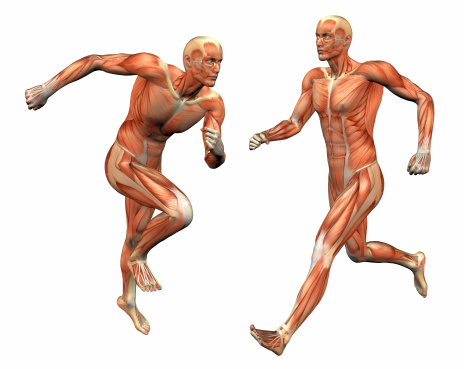
The heaviest or largest muscles are used first in any physical activity, followed by the smaller muscles. The larger muscles are the core of the body, which includes the abdominals, quadriceps, hamstrings, and lower back. These muscles initiate power while the smaller muscles, which are located in the extremities (arms, fingers, feet), are used to create movement and coordination.
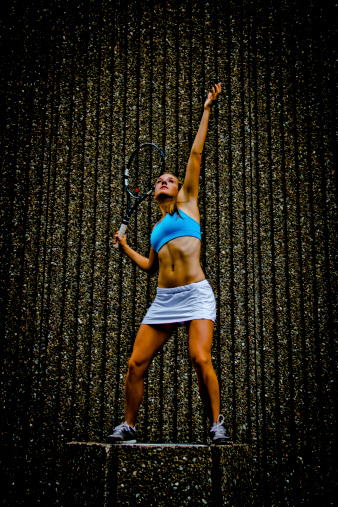
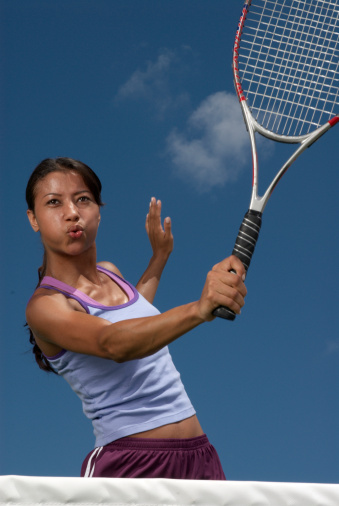
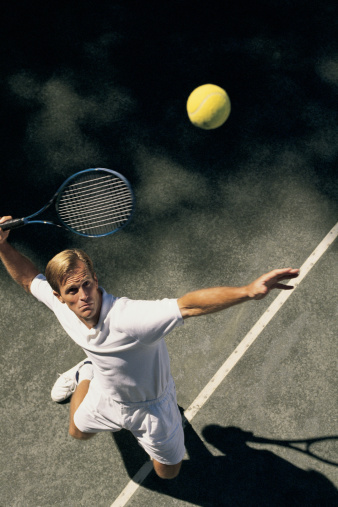
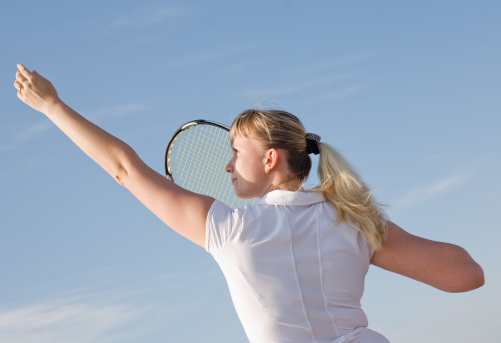
Here is how we would create summation of force in a tennis serve. The sequence of the larger and smaller muscles used to perform the serve are noted in that order.
Core of the Body
Engaging the core muscles will generate the power to create enough force on the serve. Hips
The hips rotate the body in order to propel the force generated by the core muscles to the racket on the serve. Legs
The legs provide stability and balance so that the body can optimize the force generated by the core muscles and rotation of the hips. Trapezius and Deltoids
These muscles are in your shoulders and move the force from the core muscles to the arm and hand holding the racket. Forearm
This smaller muscle group provides stability to the racket in order to control the strike on the ball. Wrist and Hand
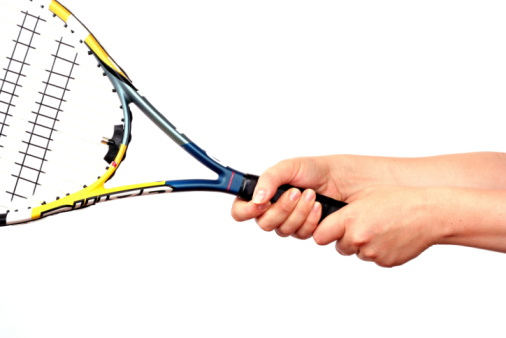
The hand provides grip on the racket while the wrist controls the direction of the force when the ball hits the racket. If you learn to serve the ball by correctly using the muscles in this order, you might be the next Serena Williams! |
 |

Force of Generation
Which muscle group creates movement and coordination for maximum force?
