In March of 1814, Napoleon was defeated in Europe, ending one phase of the Napoleonic Wars. Without an enemy to fight in Europe, the British could now concentrate their efforts on defeating the Americans. In June, the British sent one of their armies from France to the United States. They were headed for the Chesapeake Bay, which is surrounded by the coasts of Virginia and Maryland.
The British knew that establishing troops in the Chesapeake Bay would give them easy access to Baltimore, Maryland and Washington, D.C. Taking the capital could end the war if the British were able to capture President Madison. One potential obstacle, though, was that Baltimore was home to many privateers—private boat owners employed by the United States government to attack British trade ships.
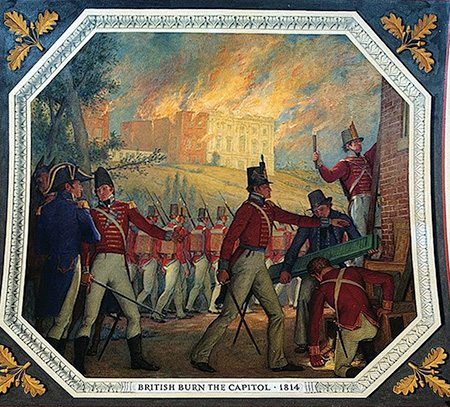
The British Army had reached the Chesapeake Bay by August of 1814. They landed east of Washington, D.C. and easily defeated an American army sent to stop them at Bladensburg. By the end of August, the British Army had entered Washington, D.C. Fortunately, President Madison had been warned of the British advance and fled before the British arrived. Frustrated at having failed to capture the president, the British set fire to many government buildings, including the Capitol Building and White House.
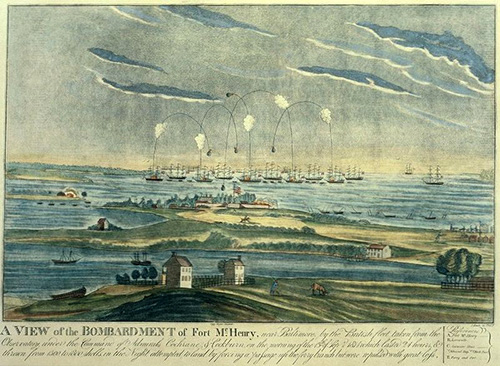
From Washington, D.C., the British headed for Baltimore, hoping to get their ships inside the harbor and sink many of the privateers there. To enter the harbor, though, the British would have to get past Fort Henry, where American troops guarded the entrance. On September 13, British ships opened fire on the fort. Twenty-five hours later, the fort still stood defiant, refusing to surrender. The British Army reconsidered their plan and withdrew from the Chesapeake Bay.
How well do you understand the role of the Chesapeake Bay in the War of 1812? Use the activity below to review what you have learned.
Why were the British able to send another army to North America in 1814?
In March of 1814, Napoleon had been defeated in Europe. This freed up British soldiers for service in North America. In June, the British sent an army to campaign up the Chesapeake Bay.
In March of 1814, Napoleon had been defeated in Europe. This freed up British soldiers for service in North America. In June, the British sent an army to campaign up the Chesapeake Bay.
In March of 1814, Napoleon had been defeated in Europe. This freed up British soldiers for service in North America. In June, the British sent an army to campaign up the Chesapeake Bay.
Why did the British target Baltimore?
The British targeted Baltimore because many American privateers were located there. Privateers were privately owned boats that attacked British trade ships.
The British targeted Baltimore because many American privateers were located there. Privateers were privately owned boats that attacked British trade ships.
The British targeted Baltimore because many American privateers were located there. Privateers were privately owned boats that attacked British trade ships.
Why were the British unable to capture President Madison?
With the British approaching Washington, D.C. from land, President Madison was aware that they were approaching. When the British defeated an American Army at Bladensburg, President Madison decided to flee the city, preventing the British from capturing him.
With the British approaching Washington, D.C. from land, President Madison was aware that they were approaching. When the British defeated an American Army at Bladensburg, President Madison decided to flee the city, preventing the British from capturing him.
With the British approaching Washington, D.C. from land, President Madison was aware that they were approaching. When the British defeated an American Army at Bladensburg, President Madison decided to flee the city, preventing the British from capturing him.
You got # out of # correct. Click the Retry button for another attempt.
You got a perfect score. Great job!
