Why do you need to know the difference between primary sources and secondary sources? It's one way to make sure your understanding of history is accurate. If you can sort sources into these categories, you can identify the parts of a story that are more likely to include secondhand information or the writer's interpretation of events.
For each flash card, decide if a piece of evidence is a primary or secondary source. Then flip the card over to see if you were right! (Remember, primary sources are documents or evidence created by people who have direct experience with an event, while secondary sources use narration, interpretation, and analysis to build on these original accounts and to find their deeper meaning.)
Is this an example of a primary or secondary source?
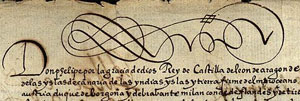
A letter from the Spanish King Philip II, written during the 16th century.
This is a primary source, since it's an original document written by a historical figure.
Is this an example of a primary or secondary source?
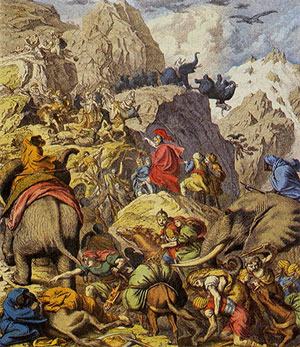
An artist's imagining of how Hannibal crossing the Alps may have looked.
This is a secondary source, since it was created by someone who wasn't there at the time. Paintings like this one help us visualize past events.
Is this an example of a primary or secondary source?
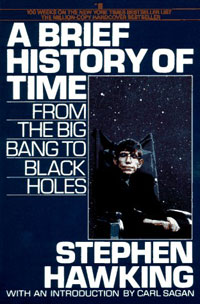
Stephen Hawking's account of how the universe may have started.
This is a secondary source, because obviously Stephen Hawking wasn't there when the universe began. This account is his attempt to put together the fragments of evidence about the event into an understandable (to some!) story.
Is this an example of a primary or secondary source?
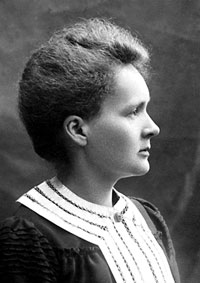
The following quote from scientist Marie Curie:
"Be less curious about people and more curious about ideas."
This is a primary source, because this is something that a historical figure said herself.
Summary
 Correct:
 Incorrect:
