Watching the "Welcome to the Plant Sanctuary!" video about plant adaptations and ecosystems gave Jonas an idea. He decided to do a bit more research. While reading, Jonas was amazed to discover that despite the diversity found among plants, they can all be placed into four categories: nonvascular, seedless, gymnosperms, and angiosperms.
Click on the rows below to read the characteristics of each plant category. Think about about how the characteristics help the plants to be better suited to their environment, including how they reproduce.
![By Jason Hollinger (Liverwort Uploaded by Amada44) [CC-BY-2.0 (http://creativecommons.org/licenses/by/2.0)], via Wikimedia Commons](https://s3.amazonaws.com/cms.accelerate-ed.com/image/72f1d1ff-86f9-4790-8208-694bd2341211.jpg) |
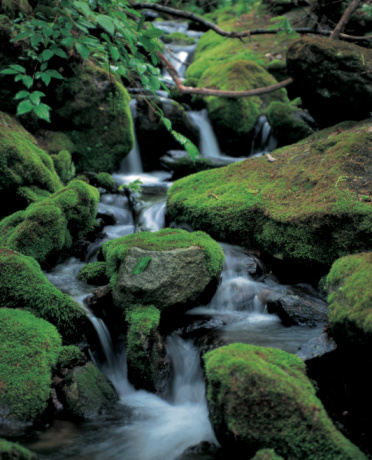
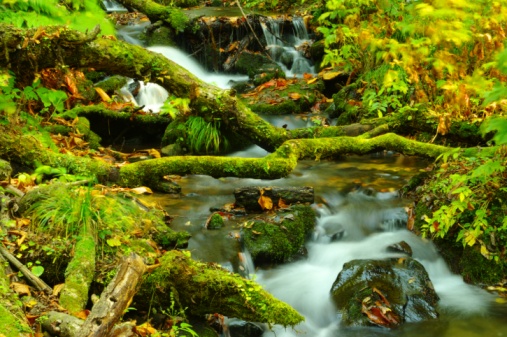
Nonvascular plants lack the specialized cells to transport nutrients such as water, minerals, and glucose. These plants must grow in moist or wet areas. They cannot grow more than four inches high since they do not have the internal structural support to grow taller. Their reproductive structures are spores. |
![Martyn Gorman [CC-BY-SA-2.0 (http://creativecommons.org/licenses/by-sa/2.0)], via Wikimedia Commons](https://s3.amazonaws.com/cms.accelerate-ed.com/image/6dbeb686-3b51-4009-b74e-3aac80c5c50d.jpg) |
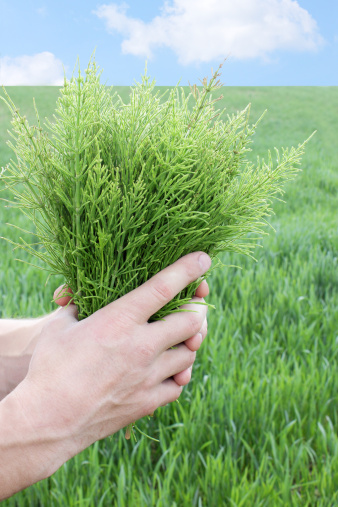
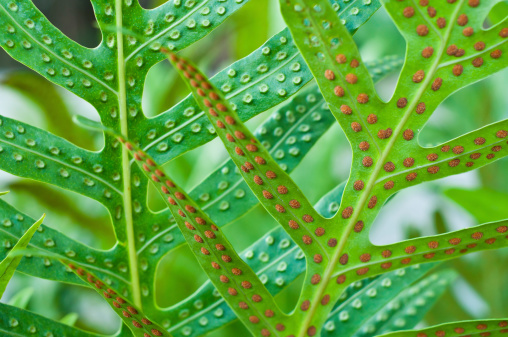
Seedless plants have the specialized cells, called vascular tissue, to transport nutrients and give internal structural support for the plant to grow several feet tall. Phloem is a vascular tissue that transports glucose. Xylem is a vascular tissue that transports water and minerals. Their reproductive structures are spores. |
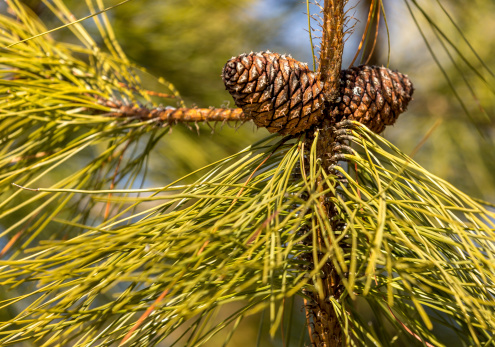 |
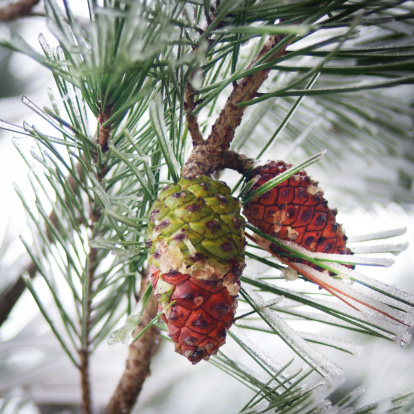
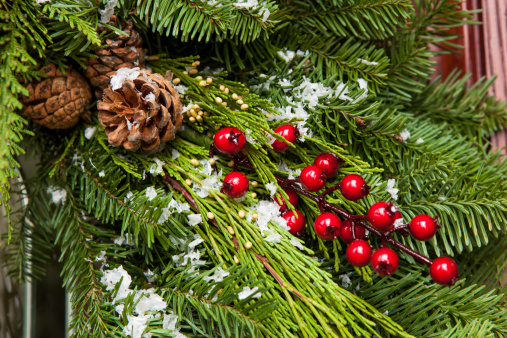
Gymnosperms are vascular plants whose reproductive structures are cones. They are some of the tallest plants in the world. |
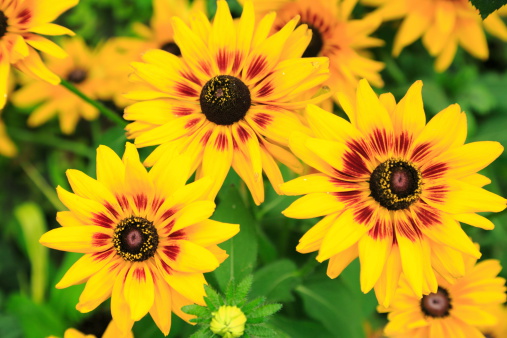 |
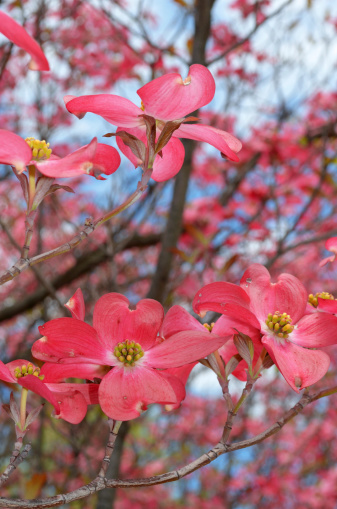
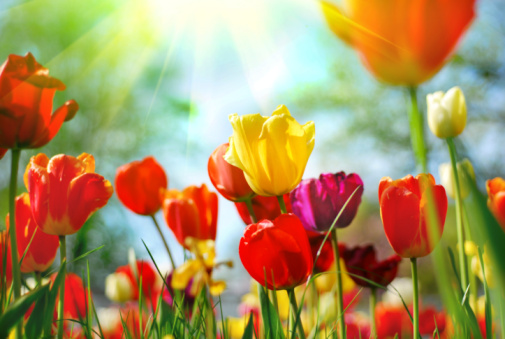
Angiosperms are vascular plants whose reproductive structures are flowers. They are the most diverse category of plants and represent nearly 80 percent of all green plants on Earth. |
Practice classifying plants by dragging the label on the left to the appropriate plant image on the right.
Click here to begin.
|
Nonvascular
|
  |
Correct!
Sorry, that is not correct.
|
Angiosperms
|
  |
Correct!
Sorry, that is not correct.
|
Gymnosperms
|
  |
Correct!
Sorry, that is not correct.
|
Seedless
|
 |
Correct!
Sorry, that is not correct.
|
Nonvascular
|
 |
Correct!
Sorry, that is not correct.
|
Angiosperms
|
|
Correct!
Sorry, that is not correct.
|
Seedless
|
|
Correct!
Sorry, that is not correct.
|
Gymnosperms
|
|
Correct!
Sorry, that is not correct.
Complete
