The video on the previous page should have helped you understand some of the most treasured traditions in Mexican culture. As a result, you should be well-prepared to understand the characters’ experiences and feelings in the novel Esperanza Rising. The details about grottos and ways of remembering the dead provide background knowledge that can help you as a reader.
If you’re not familiar with Mexican culture, there are other details in the novel that might puzzle you at first, such as this one:
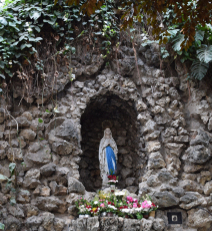
When Isabel sees the grotto that Alfonso and Miguel have built, she notices a plastic statue and asks, “Is that our statue?”
What does Isabel mean by “our statue”? She’s probably referring to her family’s small statue of Our Lady of Guadalupe. Our Lady of Guadalupe is a phrase that Mexican people often use to refer to Mary, the mother of Jesus in the Biblical story. Knowing about Our Lady of Guadalupe and her presence in grottos will help you better understand the story in Esperanza Rising.
Listen to the article below as you read along. Look for details that add to your understanding of grottos.
Our Lady of Guadalupe
One kind of grotto that is especially important to Mexican culture is the shrine to Our Lady of Guadalupe. Across Mexico, Our Lady of Guadalupe is honored in grottos large and small. Some of these shrines are simple—small rock grottos with paintings or statues of Mary, who stands with her hands pressed together as if in prayer. Other shrines are quite majestic, such as the ones usually found inside churches.
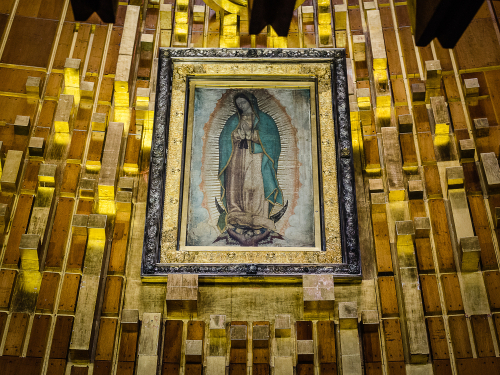
Mary is so important to the religious beliefs of many Catholics in Mexico that some consider her a national symbol.
Why is Mary called “Our Lady of Guadalupe,” a city in Mexico? After all, the story of Mary, Joseph, and baby Jesus happened far away from Mexico, in another country. The reference to Guadalupe is actually part of another far more recent story. About five hundred years ago, a man named Juan Diego lived near what is today Mexico City. On top of a hill that later came to be called Guadalupe, Juan Diego had a vision of Mary asking for a shrine to be built at that place. An image of Mary then appeared inside Juan Diego’s cloak. The way Mary stands in paintings and statues comes from this image. Soon, her shrine began to draw people who wanted to be near the image of Mary as she appeared to Juan Diego. Later, a grand church was built to hold the shrine.
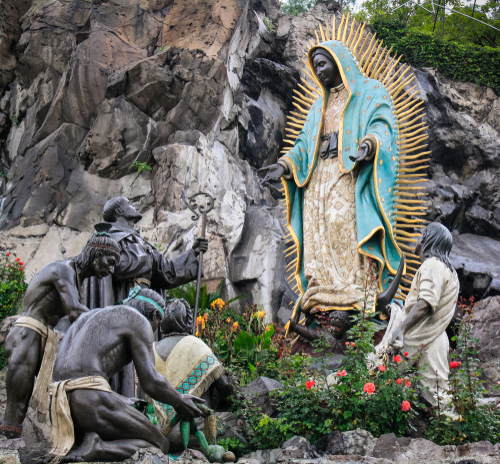
Our Lady of Guadalupe is special to many Catholics, especially to mothers, since Mary is also a mother. But she is also special to the nation of Mexico. She is called a patroness of the nation—a holy figure who watches over and cares for the nation. When Mexico fought for its independence from Spain, Mexican fighters carried flags with the image of Our Lady of Guadalupe on them. Their battle cry was “Long Live Our Lady of Guadalupe!”
Ever since that time, Mary has had a special place in the hearts of many Mexicans. Hundreds of thousands of people from all over the world visit her shrine in Mexico City every year. Others stop at the many smaller shrines and grottos that hold statues of her, all around the nation. Also, many families have small statues or paintings of this special and beloved figure in or around their own homes, tucked in grottos or placed on family altars.
Now that you have some more background knowledge about grottos, do you understand why Esperanza’s friends placed a statue of the Virgin Mary in the grotto they built?
