Several of the conflicts in Esperanza Rising relate to the question of whether the farm workers should strike, or refuse to work. Some workers want to join the strike because they hope to pressure farm owners to pay better wages or provide better housing. Other workers are afraid of losing their jobs—their only means of supporting their families.
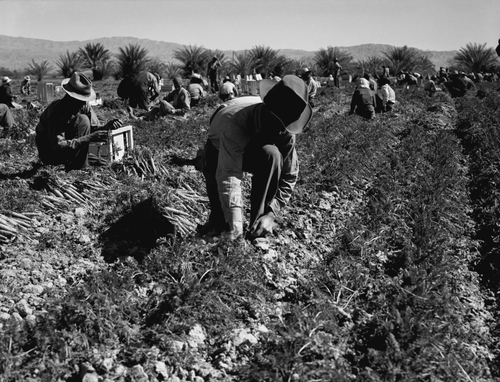
This decision creates an internal conflict for each of the characters in the novel. However, a related external conflict becomes clear at the jamaica when Marta tries to convince workers at the party to join an upcoming strike. The scene at the jamaica should have helped you understand the camp workers’ situation—what they need, what matters most to them, and what problems they face.
Use the tabs below to explore different aspects of this conflict.

Marta holds up a kitten and shouts that the workers are, like the kitten, “at the mercy of those bigger than us, richer than us.” The only answer, she argues, is to force employers to treat workers better—by striking.
Question
What are the goals of those who favor a strike, like Marta?

One worker at the jamaica tells Marta that many workers just want to be able to feed their families. He fears that a strike will only make conditions worse.
Question
What is this worker’s opinion of Marta and her plan? How do you know?
Isabel later explains that other people are looking for farm work, especially people coming from Oklahoma, where there is “little work, little rain, and little hope.” Some workers from Mexico are worried that the new workers might take the jobs of those who join the strike.
Question
How might reading about this conflict help readers understand other people and their cultures?
