The cultural shifts we've examined so far have focused on one aspect of the history of television, and therefore may seem a bit trivial. As television evolved, though, it went from a straightforward adaptation of old theater and radio plays to a sophisticated and powerful storytelling medium with a worldwide cultural impact. Television has exposed millions of people to new ideas, lifestyles, and perspectives, challenging outdated prejudices and assumptions. Click each of the images below to learn about several TV programs that broke new ground.

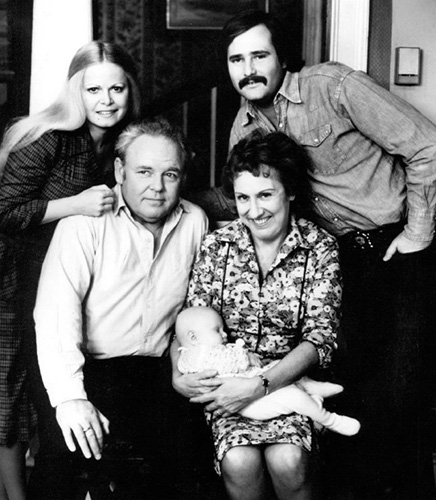

However effective television is at bringing minority viewpoints into the mainstream, none of these programs really pushed for the kind of practical progress that would impact the lives of individuals. Television executives like to play it safe, and before they'll air a show like Life Goes On, they need to know that audiences are ready to sympathize with characters like Corky.
What kinds are actions are effective at achieving worldwide cultural change, and whose voices are most likely to convince a sometimes apathetic public to change their minds? The next informational article you'll read for this lesson is titled "The Power of Speaking Up: How the Right Voices at the Right Time Changed Life for the Intellectually Disabled." It examines how two famous mothers used their influence to bring the struggles of intellectually disabled children out of the shadows.
The Power of Speaking Up: How the Right Voices at the Right Time Changed Life for the Intellectually Disabled
American cultural anthropologist Margaret Mead once wrote, "Never doubt that a small group of thoughtful, committed citizens can change the world; indeed, it's the only thing that ever has." In the 1950s, a small group of "thoughtful, committed" parents and other activists changed the fates of thousands of Americans with intellectual disabilities. Prior to their efforts, many Americans, including many doctors, believed that the "feeble-minded" should be hidden away in institutions, sterilized, or even euthanized as children. The Eugenics movement, which claimed that its purpose was to protect the quality of the human gene pool, reinforced this way of thinking. And eugenics itself was fueled in part by the ideas of Social Darwinsim that had become popular in the mid 1800s. By 1930, more than twenty states had forced sterilization laws in place, and 45% of the U.S. population actually "favored euthanasia for defective infants." (Adams, Appendix 14C)
Public opinion regarding intellectual disability shifted significantly in the years after WWII as more Americans learned of the atrocities committed in Nazi Germany in the name of protecting the human gene pool. At the same time, two famous mothers of disabled children, Pearl S. Buck and Dale Evans Rogers, decided to share their personal stories with the America public. Their words inspired a national rights movement: Parents around the country began to advocate successfully for their intellectually disabled children, insisting on educational and employment opportunities that would allow their children to lead productive, fulfilling lives.
Question
Why does the author begin her essay with a quote?
Beginning an informational text with a famous quote does a lot of work right at the start. It helps orient the reader by framing what topic the essay will cover. It suggests a thesis, by outlining a larger philosophical point the author is trying to prove. And it can evoke inspiring emotions, making an audience more invested in the issue and more likely to keep reading.
