Before you can begin writing your story it is important to understand what a historical narrative is. A historical narrative is a personal account of a story (a moment or event) in your life. However, in contrast to a personal narrative, when these stories are read they portray a larger historical picture. When reading a historical narrative, you can learn about the conditions of life in the time and place where the story was written.
So, what are the characteristics of a historical narrative? What needs to be included to make the story effective? A historical narrative is a story that brings to life a person, event, or time from the past. By recounting events and stories from your life you give the reader a slice of life during that time and place where you lived. However, unlike a research report of the event or time period, the narrative is told from one person's point of view and therefore includes opinions, perspectives and interpretations interwoven with the factual details and events.
The essential characteristics of a historical narrative are:
| Recollections of a particular event or period of life. Often these stories focus on larger events, such as wars, catastrophic events or unusual experiences. |
| Written from one point-of-view in chronological order |
| Blends the author's experiences with historical details and accounts. Includes historically accurate facts and details that help to give a historical context to the story. |
| Includes the author's thoughts, opinions, and interpretations, including the significance of the main events- the lesson the author learned. |
Using Letters of a Woman Homesteaders as an example of a historical narrative, let’s look at each characteristic and how you can create a historical narrative of an event in your life.
Focus
Point of View
Details
Theme
A historical narrative describes one particular event or period in an author’s life--typically an event or moment that has a larger significance and reveals something about what it was like to live through that event.
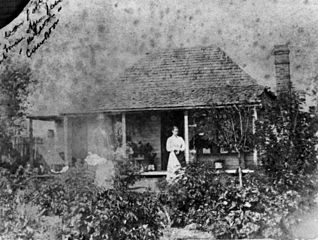
Well I have filed on my land and am now a bloated homeowner. I waited a long time to even see the land in the reserve, and the snow is yet too deep, so I thought that as they have but three months of summer and spring together and as I wanted the land for a ranch anyway, perhaps I had better stay in the valley. So I have filed adjoining Mr. Stewart and I am well pleased. I have a grove of twelve swamp pines on my place, and I am going to build my house there.
What is the main topic of the letters Elinore Pruitt Stewart is writing? To what larger historical moment are these letters connected to?
She is writing letters to tell about her new life on her homestead in Wyoming. These letters are connected to the Homestead Act and Westward Expansion.
A historical narrative is written from one perspective and is often told in chronological order. The narrative may include the stories and perspectives of others but the narrator and point of view stays consistent.
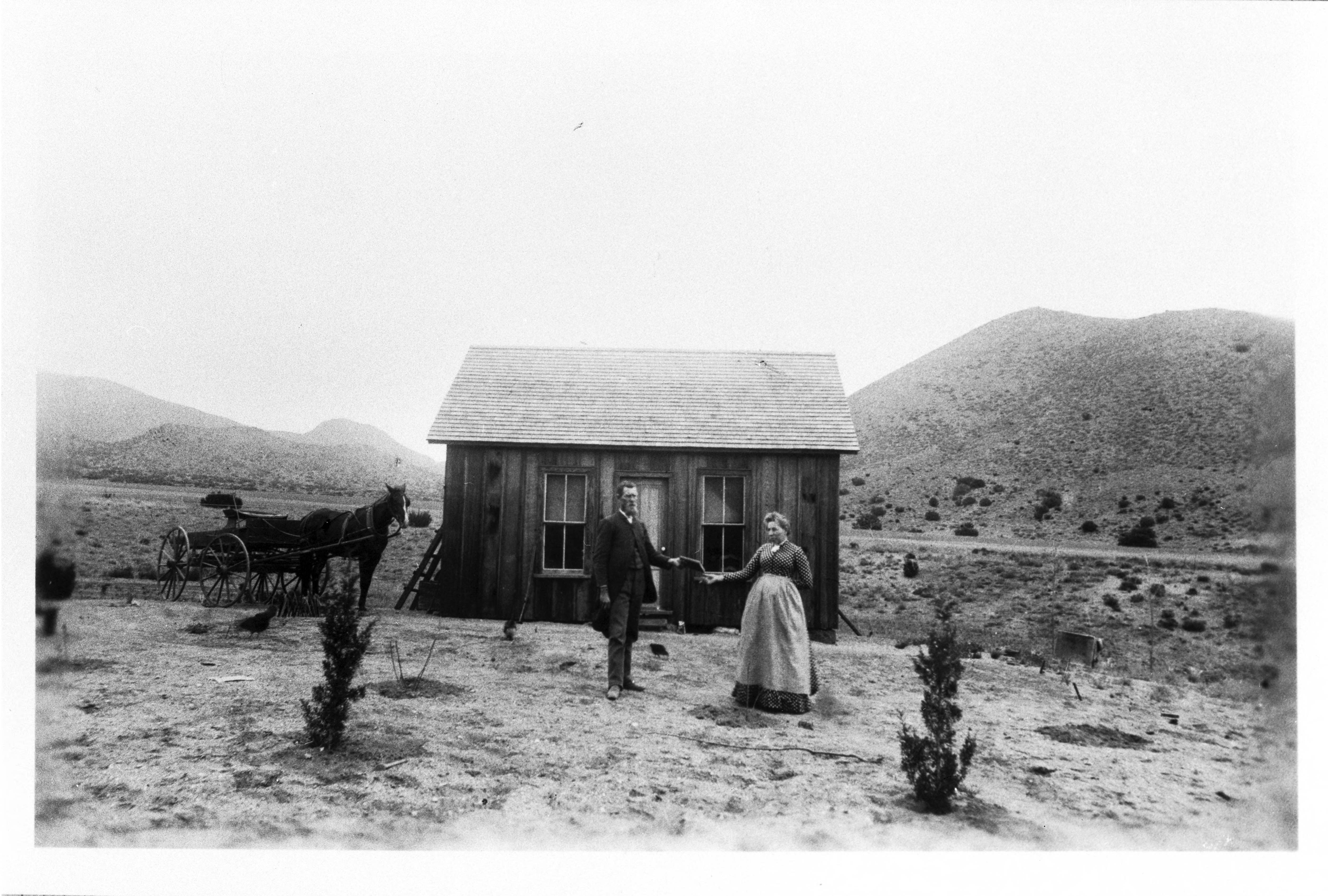
After we had put the horses in the barn we had dinner and I heard the story of the girl’s odd names. . . It seemed that “Mis’ Lane” married quite young, was an orphan, and had no one to tell her things she should have known. She lived in Missouri, but about a year after her marriage the young couple started overland for the West. It was in November, and one night when they had reached the plains a real blue blizzard struck them.
How does including others stories while maintaining the same point of view impact the reader’s understanding?
By including other’s stories, the reader can gain an understanding of what was happening around the author. However, since the same person is telling these stories, the reader needs to consider the perspective and opinions of the author even when viewing the experiences of others.
A historical narrative blends the author’s opinions and experiences about a person, place, or event with historically accurate facts and details about the same topic.
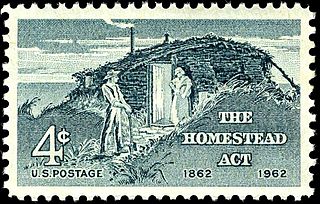
The five years in which I am required to “prove up” will have passed by then...I am entitled to one hundred and sixty acres more. I shall file on that much some day when I have suffiicnet money of my own earning. The law requires a cash payment of twenty-five cents per acre at the filing, and one dollar more per acre when final proof is made. Experimenting need not cost the homesteader no more than the work, because by applying to the Department of Agriculture at Washington he can get enough of any seed and as many kinds as he wants to make a thorough trial, and it doesn’t even cost postage.
What can you learn about the homestead act from reading these letters?
Individuals could file for 160 acres through the federal government. Individuals had to stay and work on the land for five years and pay $1.25 per acre. In addition to filing for the land, individuals moving west could also receive seeds from the government that would allow them to farm on the land.
A historical narrative includes author’s interpretations and significance of the events, which helps the reader create an image of what life was like at that time.
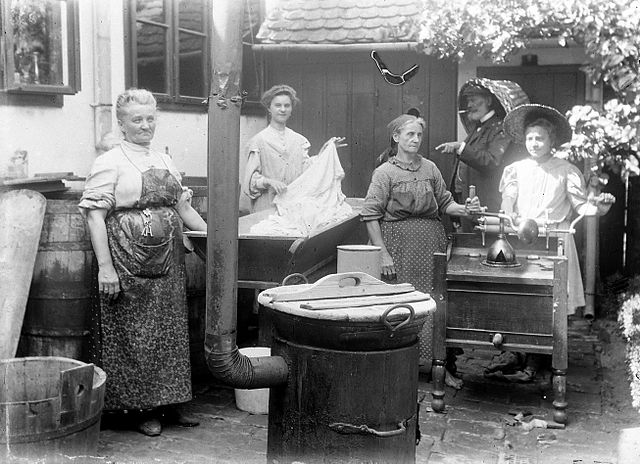
When I read about the hard times of the Denver poor, I feel like urging them every one to get out and file on land. I am very enthusiastic about woman homesteading. It really requires less strength and labor to raise plenty to satisfy a large family than it does to go out and wash, with the added satisfaction of knowing that their job will not be lost to them if they care to keep it.
What lesson did the author learn through her homesteading experiences?
She learned that she could support herself and her daughter. She is feeling the pride that comes with providing for herself and having something to show for her hard work.
Question
In your own words, what is a historical narrative? How is Letters From a Woman Homesteader an example of a historical narrative?
