A group of technology investors and entrepreneurs have decided that it’s time for teens to join the conversations that make history—and to do it in a way that sounds real to other teens. They plan to develop a website composed of virtual “exhibits” created for high school students by high school students. The project's guidelines are simple: Use multiple sources to write histories that are interesting to read and based on validated facts.
Choose a broad history topic to research--either music, sports, cooking, space exploration, or computers. Click the Activity button below to open a document that will help you choose a single topic to explore on your own and then find the sources you need to put together an online museum exhibit.
When you have completed your research, you will create a online museum exhibit that includes the following elements:
 |
 |
 |
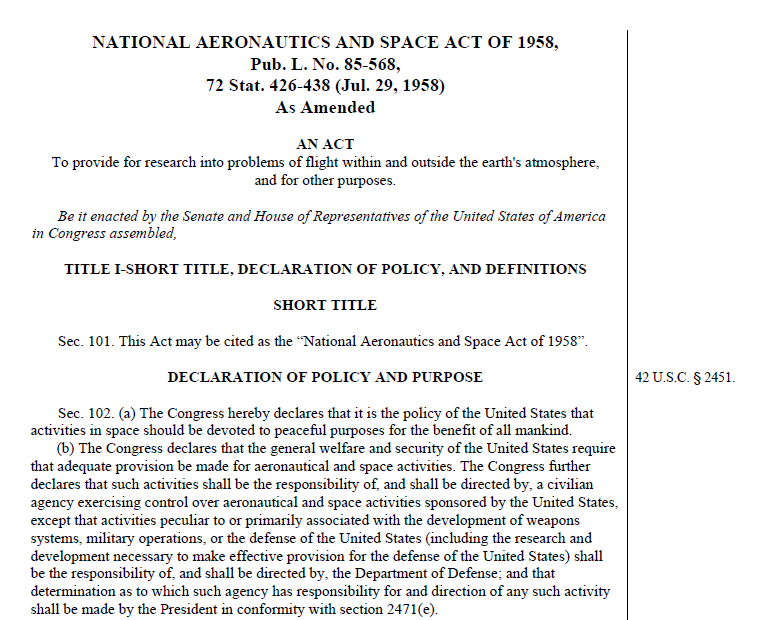 |
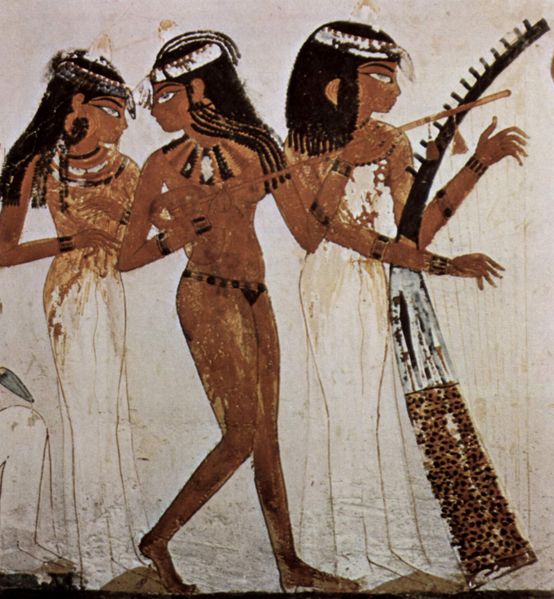
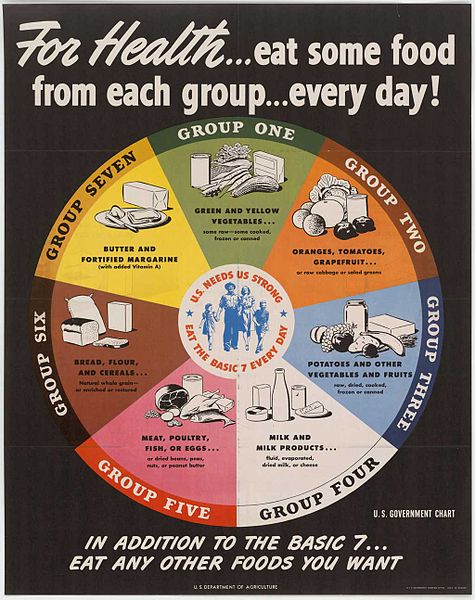
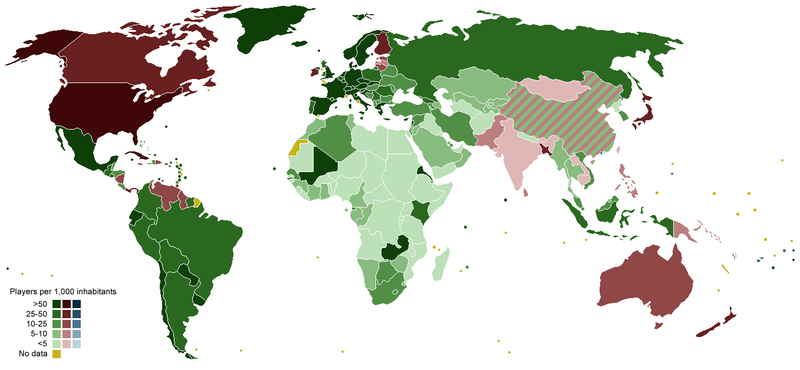
| Photograph of an Artifact | Chart or Graph | Thematic Map | Historical Document (Text) |
If your initial research did not turn up any of these elements, narrow your search using your topic and the name of the element (such as history of music artifact). Of course, each of the sources you select should help you tell the history of your topic, and you should arrange your sources on a webpage that identifies the purpose and focus of your exhibit. In your explanation of each source, apply the history analysis skills you’ve learned in this module to evaluate and compare sources, and draw conclusions about your topic overall.
As part of your analysis, be sure to 1) classify each source as primary or secondary, 2) describe what each source reveals about the topic, and 3) generalize about your topic based on your analysis of the sources. All of these elements should appear on the webpage where the sources or links to the sources appear. (Need a template? Click the Activity button below.)
This project should take you a couple of hours to complete, so don't expect to finish it today. In fact, if you are near the end of the time period you have set aside for World History, you may need to wait until tomorrow to start the project.
To access a template for creating your Make History Webpage, click the Activity button. To see how your work on this project will be graded, see the rubric below.
| Below Average | Satisfactory | Above Average | Excellent | |
|---|---|---|---|---|
| Project Requirements | Project requirements were completely missing, or the work submission was in no way connected to aims of assignment. | Very few required elements and topics appear in the project. | Most required elements and topics appear in the project. | All required elements and topics appear in the project; Processes are described in a way that fits the purpose of the project. |
| Accuracy of Information | Information was completely inaccurate, or the work submission was in no way connected to aims of assignment. | Some of the information is inaccurate or incomplete. | Most of the information is accurate, but some information is incomplete. | All of the information in the project is accurate. |
| Explanation of Differences | The work makes no attempt to explain, or the work submission was in no way connected to aims of assignment. | Project includes few attempts to explain the differences between past and present production processes. | Some of the processes or differences are explained in a way that is hard to follow. | Descriptions of differences in production processes are easy to follow. |
| Presentation of Information | Presentation includes no visual aids. | Introduction includes very few images or details, or the ones provided do not support the overall message | Some of the images or scenes do not support overall message or are not appropriate for the audience or the purpose of the project. | Project includes images or details that make message clear and interesting. |
| Citations | No citations or sources were cited or listed. | Few outside sources are cited and credited, and/or there are major errors in accepted format, such as MLA or APA | Most outside sources are cited and credited, and/or there are minor errors in accepted format, such as MLA or APA. | All outside sources are cited and credited correctly according to an accepted format, such as MLA or APA. |
