This lesson demonstrated, step by step, how to analyze historical document and events. Now, see how well you can think analytically about a new historical event--without as much guidance. Read the historical document below and analyze the events it describes. Then answer the questions beneath the passage.
The Birth of Non-violence
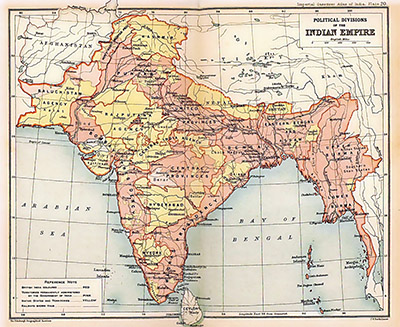
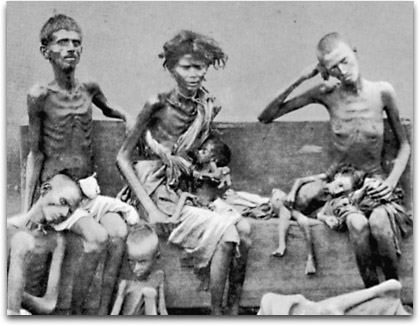
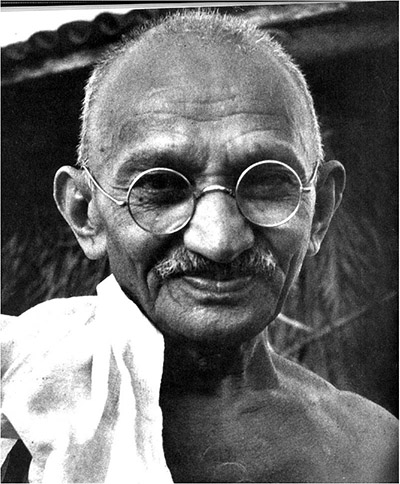
The American colonies weren't the only part of the world that Great Britain wanted to possess in the 18th and 19th centuries. Britain also spread its domain to the east, and in 1858 took control of India. The native people of India struggled to gain independence throughout the years, but compared to the Mexicans fighting the French at Puebla, they were hopelessly outnumbered and outgunned. Then, around the time of World War I, a young Indian lawyer named Mohandas Karamchand Gandhi began advocating non-violent opposition to British rule, claiming it was better to go hungry, go to jail, or even be killed than to respond to British aggression with more aggression.
Incredibly, Gandhi's tactic worked. Millions of Indians began to apply Gandhi's strategy of non-cooperation and civil disobedience. The violent response of the British to resistance that remained non-violent made the British look worse and worse in the eyes of the world. While some Indians still resorted to violence in clashes with the British, Gandhi's innovative idea of peaceful resistance to injustice was the main force that eventually drove the British out of India and inspired the civil rights movements of Nelson Mandela, Martin Luther King, Jr., and Cesar Chavez.
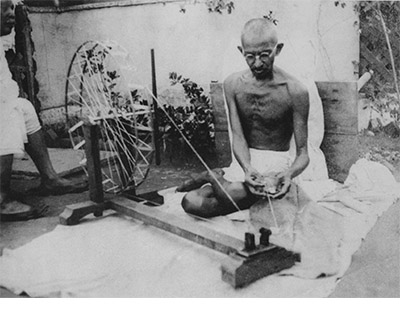
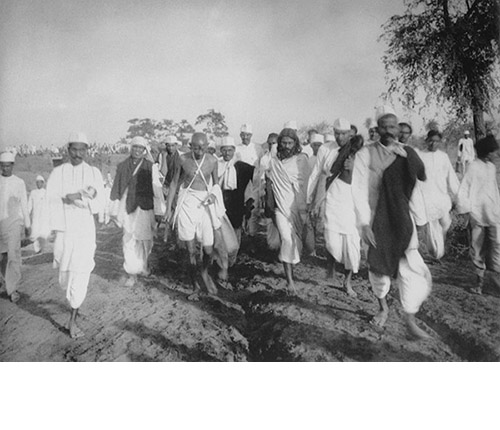
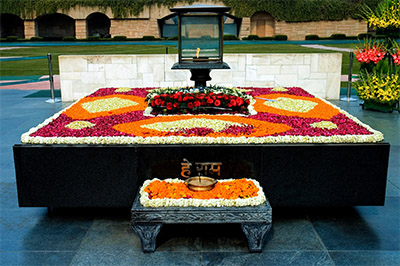
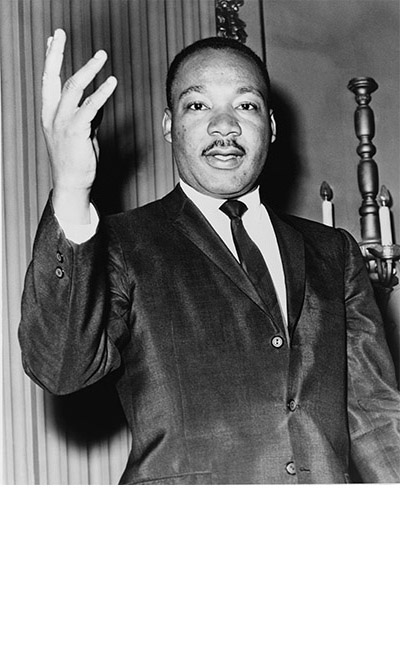
Explore these artifacts from Gandhi's non-violence movement. Carefully examine each source to find its purpose, and then draw some conclusions about what it says about Indian history at the time.
|
|
|
|
|
|
|
Refer to the map of British-controlled India. How could civil disobedience and non-violent resistance force the British to give up so much land?
- It unified the Indian people.
- It made the British look like harsh oppressors.
- It made Britain have to work too hard to control India.
- All of the above
Non-violent resistance works on many levels. It gives the protesters the moral high ground, builds solidarity, and makes enforcing unjust laws seem like more trouble than it's worth.
Non-violent resistance works on many levels. It gives the protesters the moral high ground, builds solidarity, and makes enforcing unjust laws seem like more trouble than it's worth.
Non-violent resistance works on many levels. It gives the protesters the moral high ground, builds solidarity, and makes enforcing unjust laws seem like more trouble than it's worth.
Non-violent resistance works on many levels. It gives the protesters the moral high ground, builds solidarity, and makes enforcing unjust laws seem like more trouble than it's worth.
Why is it important for people to control their own country?
- So they can be made to fight the enemies of their leadership
- So they can make the decisions that will affect their own lives
- So they can understand the politics of their time
- So they can possess whatever they want
Having a say in the laws and leadership of your country keeps the government's best interests and the people's best interest more in sync.
Having a say in the laws and leadership of your country keeps the government's best interests and the people's best interest more in sync.
Having a say in the laws and leadership of your country keeps the government's best interests and the people's best interest more in sync.
Having a say in the laws and leadership of your country keeps the government's best interests and the people's best interest more in sync.
Consider Gandhi's quote, "An eye for an eye makes the whole world blind." What is he saying here about the nature of revenge?
- Revenge starts a cycle of suffering that is difficult to stop.
- Revenge is necessary to keep oppressors from violating your rights.
- Sometimes you have to be blind to see the truth.
- Violence will only stop once everyone has experienced it.
Gandhi is saying that revenge always leads to more revenge, and the only way to stop the violence is to break the cycle.
Gandhi is saying that revenge always leads to more revenge, and the only way to stop the violence is to break the cycle.
Gandhi is saying that revenge always leads to more revenge, and the only way to stop the violence is to break the cycle.
Gandhi is saying that revenge always leads to more revenge, and the only way to stop the violence is to break the cycle.
Remember Gandhi's stance on boycotting all British products, leading him to make all his own clothes. What sacrifices are sometimes necessary to stand up for what you believe in, according to Gandhi?
- Giving up your personality to become more accepting of other opinions
- Giving up comfort and convenience to make a statement
- Giving up your rights to stay out of trouble
- All of the above
Gandhi encouraged his followers to avoid British goods that just encouraged and enriched the occupiers. Instead, he told them they should buy only Indian products, or make their own.
Gandhi encouraged his followers to avoid British goods that just encouraged and enriched the occupiers. Instead, he told them they should buy only Indian products, or make their own.
Gandhi encouraged his followers to avoid British goods that just encouraged and enriched the occupiers. Instead, he told them they should buy only Indian products, or make their own.
Gandhi encouraged his followers to avoid British goods that just encouraged and enriched the occupiers. Instead, he told them they should buy only Indian products, or make their own.
Think about Gandhi's Salt March. How can one small act become a turning point in history?
- It can inspire other people to also take part.
- It can bring people together under a new idea.
- It can challenge conventional wisdom.
- All of the above
Very rarely, one small event can have a global impact. Like Cinco de Mayo, Gandhi's Salt March challenged authority, united a country, and inspired similar actions.
Very rarely, one small event can have a global impact. Like Cinco de Mayo, Gandhi's Salt March challenged authority, united a country, and inspired similar actions.
Very rarely, one small event can have a global impact. Like Cinco de Mayo, Gandhi's Salt March challenged authority, united a country, and inspired similar actions.
Very rarely, one small event can have a global impact. Like Cinco de Mayo, Gandhi's Salt March challenged authority, united a country, and inspired similar actions.
Reread Martin Luther King, Jr.'s, quote about Gandhi's influence. How are Gandhi's struggle against colonialism in India and King's struggle against segregation in America comparable?
- They both drove out foreign occupiers from their country.
- They both used non-violence to defeat injustice.
- They both supported violence when necessary.
- All of the above
Both Martin Luther King, Jr., and Gandhi built movements on the idea of civil disobedience and non-violent protest, and both eventually succeeded against injustice.
Both Martin Luther King, Jr., and Gandhi built movements on the idea of civil disobedience and non-violent protest, and both eventually succeeded against injustice.
Both Martin Luther King, Jr., and Gandhi built movements on the idea of civil disobedience and non-violent protest, and both eventually succeeded against injustice.
Both Martin Luther King, Jr., and Gandhi built movements on the idea of civil disobedience and non-violent protest, and both eventually succeeded against injustice.
Summary
 Questions answered correctly:
 Questions answered incorrectly:
