|
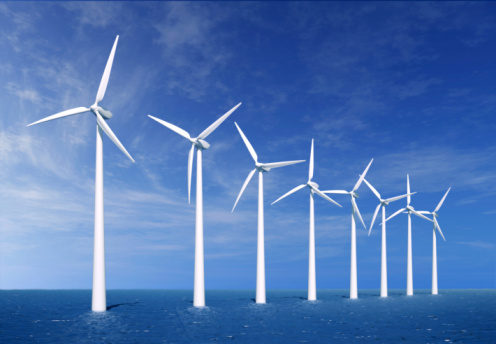
Wind power is the generation of electricity from wind. The familiar windmill has blades that turn when struck by the wind, in turn causing a turbine to spin and generate electricity.
Wind power is one of the fastest growing sources of renewable energy in the world. In 2006, wind power cost just one-fifth of what it did in the 1980s. With wind power, the costs keep coming down, making it one of the most attractive sources of fossil fuel alternatives. One drawback to wind power is that many sites with lots of wind are far from demand centers. In other words, the places best suited to wind turbines are not necessarily where people live. So there is an initial cost involved in constructing roads, transmission lines, and substations. But after construction, wind energy has virtually no cost associated with it at all, since it requires no purchase of fuel. In many parts of the world and in some US states, governments offer tax breaks, subsidies, and other financial incentives to support the use of wind power.
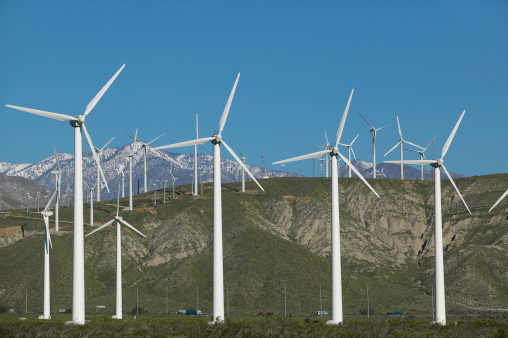
Wind power plants are commonly called wind farms. They have dozens of huge wind turbines scattered over a large area of land. Here are some facts about wind farms:
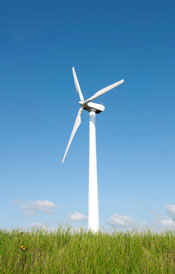
Would you like a wind turbine in your backyard? Small wind refers small-scale wind power that can be used by individual homes or businesses. Small wind turbines can even be installed on a roof and supply up to 25% of a home's electricity needs. In the US, a home wind turbine will cost about $12,000 to $50,000 to install but there are government incentive programs that may supply as much as a 50% rebate to homeowners that install wind systems. And some states offer government grants to cover almost all the expenses involved. Small wind systems begin to pay for themselves after about 5 to 10 years. |
 |