Population size is an important characteristic of a population. Many processes that affect a population differ depending on how large or small it is. There are several ways to determine the size of a population. Small populations can be counted directly by simply going to the habitat area and counting the number of individuals. For small populations, we can often precisely determine population size. However, even for small populations, the ease of directly counting the number of individuals varies.
Take a look at each of these animals. What factors affect our ability to measure their population size directly? Click the image to see if you guessed correctly.
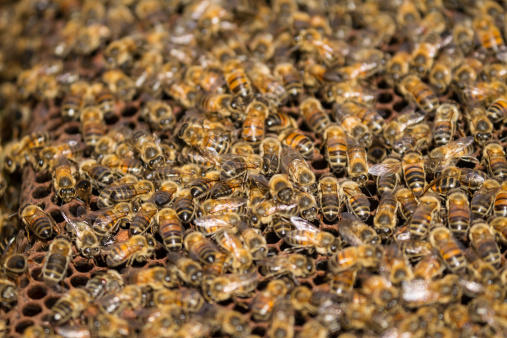
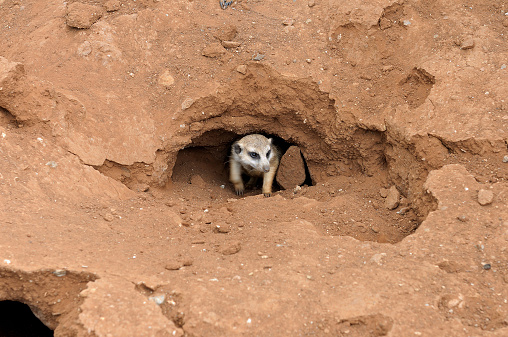
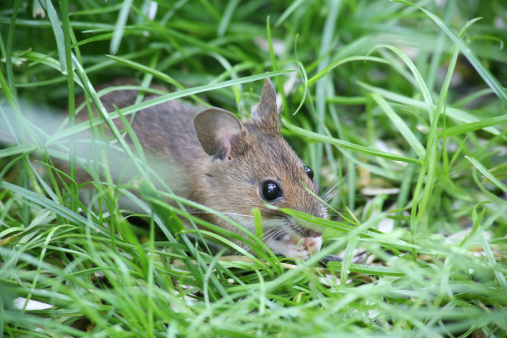
In addition to these factors, many populations are simply too large for us to count individual by individual. Because of the impracticalities of counting individuals, there are several techniques to estimate population size. Read about each in the table below.
| population index | We can measure an index, which is a factor that is directly related to population size. For example, this could be the number of nests (instead of counting birds), the number of tracks on the ground (instead of counting possums), or the fecal droppings on the ground (instead of counting deer). |
| mark-and-recapture | We can capture animals in their habitat, mark them, and release them. Later, we can go back to the habitat, capture again, and count how many marked animals there are. The proportion of marked to captured animals can be used to estimate the entire population size. This process is referred to as mark-and-recapture. |
| sampling | We can estimate how large the population is by counting only members of the population in a particular area (a process called sampling) and then use this to estimate the size of the entire population over its entire inhabited area. |
Different methods are appropriate for determining the population size of different individuals. Test your knowledge of these methods. Connect each population on the left to the most appropriate method of determining its population size on the right.
|
humans
|
population index
mark-and-recapture
sampling
count entire population
|
|
whales
|
population index
mark-and-recapture
sampling
count entire population
|
|
sea stars
|
population index
mark-and-recapture
sampling
count entire population
|
Complete
