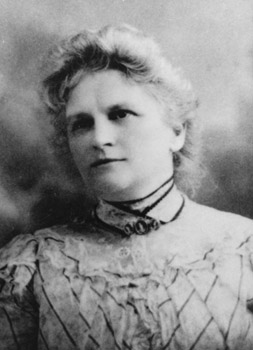
 Kate O'Flaherty Chopin was born in St. Louis, Missouri, in 1850. When Kate was five, her father was killed in a train accident, prompting Kate and her mother to move in with Kate's grandmother and great-grandmother. All three of Chopin's caretakers were independent, intelligent, strong widow women, and their positive influence showed up later in Chopin's writings.
Kate married Oscar Chopin in 1870, and they moved to New Orleans. By all accounts, Oscar adored his wife: He admired her independent spirit and allowed her many unheard-of freedoms in marriage. After Oscar's death in 1882, Chopin moved back to St. Louis to live with her mother, who died the next year. To support herself and her seven children, Chopin turned to writing stories.
Kate Chopin wrote over 100 short stories, many of them about the Creole and Cajun people she had known in the South. Her most well known short stories include "Désirée's Baby," "Madame Celestin's Divorce," and "The Storm," as well as the two stories you will read in this lesson—"The Story of an Hour" and "A Pair of Silk Stockings." In addition to short stories, Chopin also wrote two novels. The first, At Fault, went mostly unnoticed, but Chopin's second novel, The Awakening (1899), generated much criticism for its subject matter (a woman with two lovers). Nearly 50 years after Chopin's death in 1904, The Awakening was rediscovered by critics and scholars, who promoted it as a true American classic.
Question
Although Kate Chopin seemed to have a happy marriage, her stories tended to emphasize the repression and oppression experienced by women of her time. Why might she have chosen the subject matter she did?
