As Europe flourished during the 18th and 19th centuries, the Ottoman Empire continued to decline. The Ottoman Empire had little connection with the Triangle Trade that supplied the colonies of the New World with African slaves and European nations with cotton, sugar cane, rice, and other commodities. For most of the European powers, trade with the Ottomans was secondary to that with the New World.
Read these tabs to see four key areas of Ottoman decline.
Less Magnificent Sultans
Less Powerful Armies
Less Valuable Currency
Less Imperial Territory
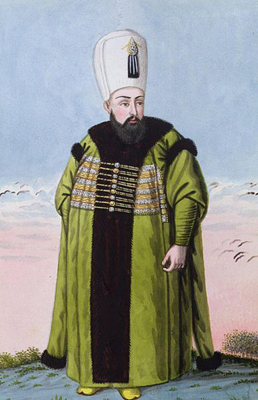
By John Young (1755-1825) [Public domain], via Wikimedia Commons
Beginning in the late 16th century, there was a noticeable decline in the quality of sultans and their leadership. The tradition of choosing the most capable son of a sultan to succeed him was shaken by infighting in the royal family, then turned upside-down as the most capable sons were often killed after they were accused of treason.
Who would accuse the sultan’s son of treason?

Often it was the sultan’s other sons trying to rid themselves of a rival.
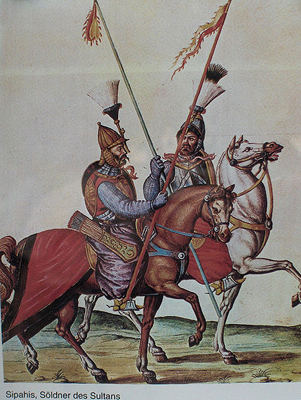
By G. Jansoone (own photo of an old document) [Public domain], via Wikimedia Commons
The Ottoman military machine also became less effective by the late 1500s. Just like the Roman Empire in antiquity, the Ottoman Empire simply became too large to properly defend, let alone expand. The campaigning season was too long and too expensive to maintain, and after the defeat at Lepanto, the push to take Europe died away. Funding the army was no longer the empire’s main concern.
What happened to the Janissary at this time?
They continued to hold great power in the empire, and began to control the weak sultans. They deposed sultans they didn’t like and replaced them with puppet rulers. In 1826, Sultan Mahmud II finally destroyed the power of the Janissary by inciting them to revolt, then setting a fire in their barracks to destroy them.
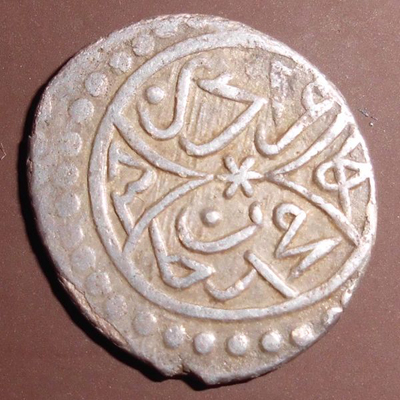
y Kalashnov (Own work) [CC-BY-SA-3.0 (http://creativecommons.org/licenses/by-sa/3.0)], via Wikimedia Commons
As American silver flooded into the Old World, it caused inflation in many countries. The Ottoman Empire experienced this inflation. With silver so abundant, supply overwhelmed demand, and silver lost its value. This meant merchants charged more for goods, and people paid more to get less. The akçe, the Ottoman unit of currency, began to depreciate as foreign silver came in.
How did inflation harm Ottoman political institutions?
Bureaucrats’ pay was worth less and less, so less accomplished men joined the government, and the institutions that had made the Ottoman Empire great were weakened.
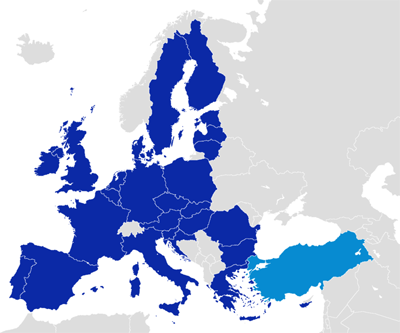
By Maurice07 (Own work) [CC-BY-SA-3.0 (http://creativecommons.org/licenses/by-sa/3.0)], via Wikimedia Commons
The Ottomans did not embrace the Industrial Revolution. Instead, they purchased manufactured goods from Europe while their own industries fell into decay. As Europe grew more powerful, it re-conquered lands in Eastern Europe. By World War I, the remains of the Ottoman Empire were ready to collapse.
How did World War I impact the Ottoman Empire?
The Ottomans lost all their remaining territory in Europe, and the empire was reduced to just the modern-day nation of Turkey.
What factors led to the decline of Ottoman power in Europe?
What role did sultans and their heirs play in the decline of the Ottoman Empire?
- Several sultans were unable to produce heirs, so rival families fought for control.
- Sultans began to expect too much of their advisers and their military leaders.
- The succession was weakened by infighting, and leadership quality declined.
Problems within the sultan's family caused some men with weak leadership skills to gain control of the Empire.
Problems within the sultan's family caused some men with weak leadership skills to gain control of the Empire.
Problems within the sultan's family caused some men with weak leadership skills to gain control of the Empire.
Why did the Ottoman military become less effective in the 16th century?
- The empire ran out of money to build ships and weapons or hire soldiers.
- The empire was so large that it became hard to keep the troops organized and unified.
- The empire suffered from low morale due to a series of embarrassing defeats.
Even the loyal and tightly controlled Janissary was difficult to organize over such vast expanses of land.
Even the loyal and tightly controlled Janissary was difficult to organize over such vast expanses of land.
Even the loyal and tightly controlled Janissary was difficult to organize over such vast expanses of land.
What caused the inflation that weakened the Ottoman economy?
- foreign silver flooding into the empire's economy, which made Ottoman coins worth less
- a change in the way that taxes on trade and industry were managed, which caused a revolt
- the introduction of manufactured goods from India and China
The coins of other countries entered Ottoman cities and became more valuable than Ottoman coins.
The coins of other countries entered Ottoman cities and became more valuable than Ottoman coins.
The coins of other countries entered Ottoman cities and became more valuable than Ottoman coins.
Summary
 Questions answered correctly:
 Questions answered incorrectly:
