In 1571, one of the greatest naval battles in world history took place at Lepanto, in the Gulf of Corinth off the west coast of Greece. Click this image to learn more.
![[Public domain], via Wikimedia Commons](http://s3.amazonaws.com/cms.accelerate-ed.com/image/9b52006f-5e21-4689-a643-d33dfd173d73.jpg)
After the disaster at Lepanto, the Ottomans still controlled North Africa and much of modern Eastern Europe. In 1683, they made one last attempt to invade Western Europe by laying siege to the Austrian city of Vienna. Once again, they were turned away by the Holy Roman Empire. This defeat stopped the westward expansion of the Ottoman Empire forever. While Europe continued its rise to world dominance, the Ottoman Empire turned inward and began its slow decline.
As Ottoman military power lessened and the Ottoman Turks presented less of a threat, European interest in Turkish goods and styles blossomed. For the growing European middle class, Turkish rugs, silks, and even coffee represented the height of luxury and avant-garde fashion. Ottoman influence can often be seen in the European decorative arts of the 18th and 19th centuries. These images show Europeans wearing Ottoman fabrics and fashions.
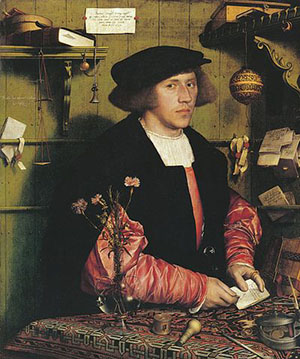
|
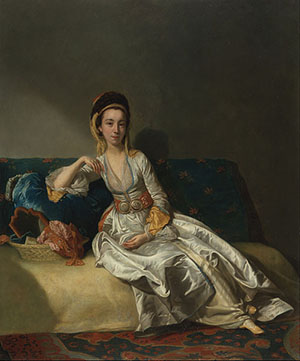
|
Question
These two paintings are portraits of people living in England during the 16th and 18th centuries. What details in each of these paintings show the influence of Turkish designs on European tastes and style?
the cloth on the table and the ornamental ball in the first painting; the belt and turban worn by the woman and the Turkish sofa with tasseled pillows in the second
